Taneytown, MD · Carroll County
Aquarium Leak Water Removal in Taneytown, MDAquarium Moisture Inspection & Aquarium Flood Cleanup
Aquarium Leak Water Removal in Taneytown runs from aquarium leak water extraction and aquarium floor drying to aquarium tank sealant repair checks.
Answered 24/7
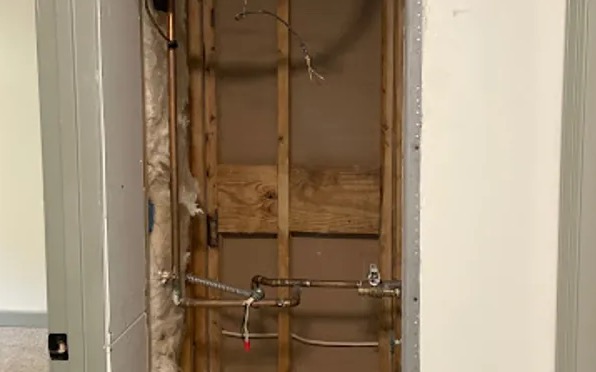
Aquarium Leak Water Removal Response in Taneytown
Tank water in Taneytown homes is not just water. It carries fish waste, uneaten food and plant matter, which can leave odor and staining if it is only mopped up.
In Taneytown, Westminster, Manchester and Hampstead, many tank leaks go unnoticed until the stand swells or the carpet smells. The pros get the water out and dry the floor before more damage sets in.
Detailed Aquarium Leak Water Removal for Taneytown
Aquarium Moisture Inspection
Thermal cameras can show cool, wet areas under flooring and in walls that look dry on the surface.
Aquarium Flood Cleanup
Floors, baseboards and lower walls the tank water reached are extracted and wiped down, and soaked items are moved to a dry area.
Aquarium Stand Water Damage
Particleboard and MDF stands swell and lose strength when wet. A soaked stand may not safely hold a full tank again.
Aquarium Leak Water Extraction
A large tank can release dozens or hundreds of gallons. Pumps and extractors remove the bulk of it before it soaks into the subfloor.
Aquarium Floor Drying
Drying under a heavy tank is hard because airflow is blocked. Once the tank is moved or emptied, the area underneath gets direct airflow.
Warning Signs You Need Aquarium Leak Water Removal
Salt Residue on Surfaces
White, crusty salt deposits on the floor or stand point to a slow saltwater leak.
Soggy Subfloor Beneath
A floor that feels soft or springy near the stand may have a soaked, weakened subfloor.
Warped Aquarium Stand
A stand that bows, swells at the base or has doors that no longer close has absorbed water.
Constant Dripping Sound
A steady drip sound from the stand cabinet usually means a sump, filter hose or bulkhead is leaking.
How Aquarium Leak Water Removal Works in Taneytown
Step 1: Secure the Leaking Aquarium
The tank is drained or its water level lowered, and livestock is moved to a safe container.
Step 2: Complete Water Cleanup
Water, gravel and debris are cleared from the floor, and tank water residue is cleaned off surfaces.
Step 3: Dry Out Affected Materials
Carpet, pad, subfloor and baseboards are dried, or removed if they cannot be saved.
Step 4: Confirm Dryness
Moisture readings across the area confirm the materials are back to their normal levels.
Common Causes of Aquarium Water Damage in Taneytown
Overflowing Sump or Filter
A power outage or clogged return can overflow the sump or a hang-on filter onto the floor.
Faulty Plumbing Connections
Hoses and fittings for filters, chillers and sumps can loosen or split over time.
Vibrations and Impacts
A bump during cleaning or a hard knock can crack glass that is already under pressure.
Loose or Failing Bulkheads
Bulkhead fittings on drilled tanks loosen or crack and leak into the stand cabinet.
Aquarium Leak Water Removal for Homes & Businesses in Taneytown
Residential Aquarium Leak Water Removal
For families, the first concern is often the fish. Livestock can be moved to a bucket or spare tank while the water is removed and the floor dried.
Commercial Aquarium Leak Water Removal
In medical and dental offices with display tanks, drying is planned around patient hours to keep the waiting room usable where possible.
DIY vs. Professional Aquarium Leak Water Removal in Taneytown
Unplug heaters, pumps and lights before touching the water, since tank equipment and spilled water make an electrical hazard. Then call local aquarium water damage pros for extraction and drying.
Aquarium Leak Water Removal Pricing Considerations in Taneytown
In Taneytown, most of the cost comes from extraction, drying equipment days and any carpet pad or flooring that must be replaced under the stand.
Tank Size and Contents
A larger tank releases more water and more debris, which means more extraction and cleanup.
Sealant Repair Complexity
Resealing or replacing the tank is a separate cost, usually handled by an aquarium specialist.
Leak Duration
A slow leak that ran for weeks often soaks the subfloor more deeply than a sudden spill.
Does Insurance Cover Aquarium Leak Water Removal?
Renters should know that a burst tank can damage the building and units below. A renter's policy may cover your liability, so check with your insurer.
Why Choose Local Pros for Aquarium Leak Water Removal in Taneytown
Detailed Moisture Inspection
Moisture meters check the floor, subfloor and walls around the tank for hidden water.
Aquarium Leak Experience
The pros know where tank water hides: under stands, behind baseboards and inside cabinets.
24/7 Emergency Response
Help is available day or night, which matters when a tank cracks and floods a room.
24/7 Emergency Aquarium Leak Water Removal in Taneytown
The longer tank water sits, the more flooring has to be replaced. Call (410) 237-0394 for aquarium leak water removal in Taneytown as soon as you see the leak.
Call Now (410) 237-0394Aquarium Leak Water Removal Service Area Around Taneytown
Help with aquarium leak water removal reaches Westminster, Manchester and Hampstead, plus other communities around Taneytown, for freshwater and saltwater tanks alike.
- Aquarium Leak Water Removal in Westminster
- Aquarium Leak Water Removal in Manchester
- Aquarium Leak Water Removal in Hampstead
- Aquarium Leak Water Removal in Mount Airy
- Aquarium Leak Water Removal in Eldersburg
- Aquarium Leak Water Removal in Sykesville
- Aquarium Leak Water Removal in Frederick
- Aquarium Leak Water Removal in Reisterstown
- Emergency Damage Restoration in 21787
- Storm Damage Restoration in 21787
- Water Damage Restoration in 21787
- Water Extraction Service in 21787
- Water Leak Detection in 21787
- Water Removal Service in 21787
FAQs on Aquarium Leak Water Removal in Taneytown
Can aquarium stand water damage be repaired?
Solid wood stands can sometimes be dried. Particleboard and MDF stands that swelled usually need replacing, since they may not hold a full tank safely.
What should I do while waiting for aquarium leak help?
Unplug tank equipment, lower the water level, move fish to a safe container and lay towels to slow the spread.
How quickly should I respond to a fish tank water leak?
Right away. Water soaks into carpet pad and subfloor within hours, and a stand can swell and weaken under a full tank.
What is aquarium floor drying and why does it matter?
It is drying the floor and subfloor under and around the tank with air movers and dehumidifiers, so hidden water does not cause swelling or rot.
What causes tank sealant failure in aquariums?
Age, stress from an uneven stand, temperature swings and physical bumps can all cause silicone seams to separate.