Lake Shore, MD · Anne Arundel County
Attic Water Extraction in Lake Shore, MDAttic Drying Services & Attic Moisture Inspection
Attic Water Extraction in Lake Shore covers attic leak water cleanup, wet attic insulation removal and attic drying services.
Answered 24/7
Attic Water Extraction Response in Lake Shore
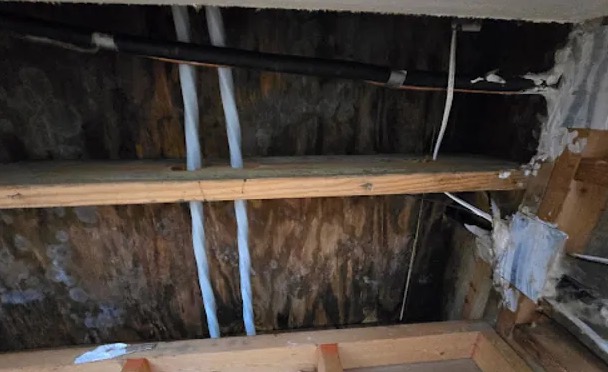
Water in an attic has only one place to go: down through the ceiling. In Lake Shore, a roof leak, a burst attic pipe or an overflowing AC pan can put water on top of the ceiling drywall, where it soaks in and starts to sag.
A storm in Lake Shore can push water into an attic in one night. Local water removal experts serve Lake Shore and nearby Green Haven, Arnold and Severna Park, with extraction available around the clock.
Attic Water Extraction and Damage Mitigation in Lake Shore
Attic Drying Services
Air movers and dehumidifiers are set on boards across the joists to dry rafters, decking and the ceiling below safely.
Attic Moisture Inspection
Readings taken at each visit show drying progress and give you a record for your insurer.
Wet Attic Insulation Removal
Blown-in insulation that got wet is vacuumed out of the affected bays, and fiberglass batts are pulled and bagged.
Roof Leak Water Removal
Roof leaks often show up far from where they start. Moisture meters trace the water back along the decking to its entry point.
Attic Leak Water Cleanup
Leak cleanup clears water, wet debris and fallen insulation from the attic floor so the wood and ceiling can start drying.
Warning Signs You Need Attic Water Extraction in Lake Shore
Sagging or Bulging Ceilings
A ceiling that bulges or droops is holding water and can fall. Keep people out of the room below.
Musty Odors From Attic
A musty smell from the attic hatch or upstairs rooms often points to wet insulation or wood.
Increased Indoor Humidity
Upstairs rooms that feel humid or clammy may have moisture coming down from the attic.
Condensation on Attic Surfaces
Droplets or damp patches on the underside of the roof decking point to a moisture and ventilation problem.
How Attic Water Extraction Works in Lake Shore
Step 1: Emergency Water Extraction
Active drips are caught and pooled water is vacuumed from the decking and drywall tops right away.
Step 2: Wet Insulation Removal
Soaked insulation is bagged and removed so air can reach the wood and the ceiling drywall below.
Step 3: Attic Drying Process
Air movers and dehumidifiers are set on boards across the joists and run until readings drop.
Step 4: Final Moisture Inspection
Readings on decking, rafters and the ceiling confirm the attic is dry before new insulation goes in.
Frequent Sources of Attic Leaks in Lake Shore
Roof Leaks From Storm Damage
Wind and hail can lift or break shingles, letting rain reach the decking and the attic floor.
HVAC System Condensate Overflow
AC air handlers in the attic overflow when the condensate line clogs or the pan cracks.
Plumbing Leaks in Attic
Supply lines and water heaters in the attic can leak or burst onto the ceiling below.
Skylight or Chimney Flashing Failure
Worn flashing around skylights and chimneys lets rain run down into the attic.
Residential & Commercial Attic Water Extraction in Lake Shore
Residential Attic Water Extraction
At home, attic water usually ends up on a bedroom or hallway ceiling. Water is extracted from above, wet insulation removed and the ceiling below dried or replaced.
Commercial Attic Water Extraction
In commercial buildings, water above a drop ceiling soaks tiles and insulation across several rooms. Wet tiles come down and the space above them is extracted and dried.
Attic Water Extraction vs. DIY: When to Call the Pros
A bucket under the drip and a tarp over furniture are good first steps. Call local water removal experts if water is pooling in the attic, the ceiling is stained or sagging, or insulation is soaked.
What Influences Attic Water Extraction Cost in Lake Shore
In Lake Shore, insulation removal and replacement are often the largest part of an attic job, along with drying equipment and ceiling repair.
Material Removal Needs
Wet insulation and ceiling drywall that must be removed add labor and disposal costs.
Type of Water Involved
Clean rainwater is simpler to remove than water from a drain line or a dirty source.
Mold Prevention Steps
Antimicrobial treatment of wood that stayed wet is an added step, priced by area.
Does Insurance Cover Attic Water Extraction?
Many homeowner policies cover sudden storm damage and burst pipes in the attic, but not leaks from worn roofing or poor upkeep. Read your policy and call your insurer early.
Benefits of Local Pros for Attic Water Extraction in Lake Shore, MD
Detailed Documentation
Photos, readings and drying logs are kept to support your insurance claim.
Roof Leak Location
The leak point is marked and photographed so the roofer can fix the right spot.
Wet Insulation Handling
Wet insulation is bagged and removed without spreading debris into the living space.
Urgent Attic Water Extraction Available in Lake Shore
Water coming through the ceiling in Lake Shore? Move belongings, put a bucket under the drip and call (410) 237-0394. Attic extraction is available 24/7.
Call Now (410) 237-0394Local Attic Water Extraction Areas Including Lake Shore
Besides Lake Shore, the experts remove attic water, wet insulation and soaked ceilings in nearby Green Haven, Arnold and Severna Park.
FAQ on Attic Water Extraction in Lake Shore
What happens during ceiling water damage cleanup?
Water in the ceiling is drained, sagging drywall is removed, debris is cleared and the cavity is dried before repairs.
Can wet attic insulation be saved?
Lightly damp areas sometimes dry, but soaked or matted insulation is usually removed and replaced after the attic is dry.
What is the purpose of attic mold prevention?
To slow microbial growth on wood that stayed wet, by drying it quickly and treating it with an antimicrobial if needed.
How quickly should I deal with water in my attic?
Right away. Water sitting on ceiling drywall can make it sag or fall within a day, and wet wood starts to break down.
What is involved in professional attic water extraction?
Catching drips, vacuuming pooled water from decking and drywall tops, removing soaked insulation and drying the framing and ceiling below.