North Laurel, MD · Howard County
Attic Water Extraction in North Laurel, MDAttic Moisture Inspection & Emergency Attic Water Extraction
Homeowners in North Laurel get Attic Water Extraction for emergency attic water extraction, attic mold prevention and attic moisture inspection.
Answered 24/7
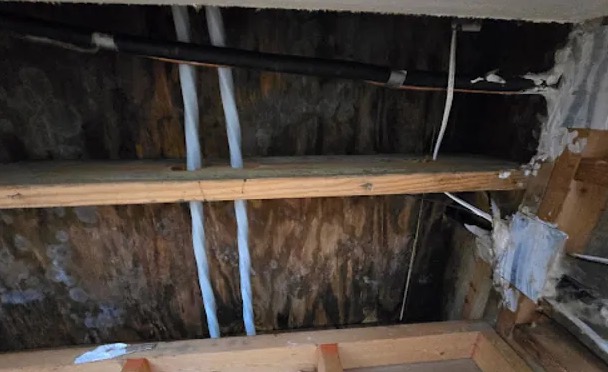
Local Attic Water Extraction Services in Howard County
Wet insulation is the main problem in attic leaks. It soaks up water, gets heavy and keeps the drywall underneath wet long after the leak stops. In North Laurel homes, removing it is usually the first step after extraction.
Homes in North Laurel and nearby Laurel, Maryland City and Columbia have attics that hold insulation, ductwork and often an AC unit or water heater. The pros remove water from roof leaks and equipment failures and dry the framing.
Detailed Attic Water Extraction Offerings in North Laurel
Attic Moisture Inspection
Readings taken at each visit show drying progress and give you a record for your insurer.
Emergency Attic Water Extraction
Emergency extraction in an attic starts with catching active drips, then pulling pooled water from between joists with wet vacs and pumps.
Attic Drying Services
Drying runs until wood framing and ceiling drywall reach normal readings. Equipment is moved as each area dries.
Attic Leak Water Cleanup
Leak cleanup clears water, wet debris and fallen insulation from the attic floor so the wood and ceiling can start drying.
Ceiling Water Damage Cleanup
Ceiling cleanup covers the room below: fallen drywall, wet insulation and debris are cleared, and the floor is protected.
When to Call for Attic Water Extraction in North Laurel
Musty Odors From Attic
A musty smell from the attic hatch or upstairs rooms often points to wet insulation or wood.
Visible Mold in Attic
Dark spots on rafters or decking mean the wood has stayed damp for some time.
Water Stains on Ceiling
A brown or yellow stain on an upstairs ceiling usually means water is sitting on the drywall from the attic.
Damp Attic Insulation
Insulation that feels damp, looks matted or has dark patches has been soaking up water.
How Attic Water Extraction Works in North Laurel
Step 1: Attic Leak Source Identification
The pros trace the water to the roof, a pipe or the AC pan and stop it with a tarp or shut-off.
Step 2: Flooded Attic Cleanup
Water, wet debris and fallen insulation are removed, and stored items are moved out of the attic.
Step 3: Structural Drying Setup
Equipment is placed to dry the framing and decking, with the room below checked and dried too.
Step 4: Attic Mold Prevention Treatment
Once dry, wood that stayed wet for days can be cleaned and treated with an antimicrobial.
What Leads to Attic Water Extraction Needs in North Laurel
Aging or Deteriorated Roofing Materials
Old, curled or cracked shingles and worn underlayment let water through during heavy rain.
Condensation From Poor Ventilation
Warm, moist air from the house condenses on roof decking when the attic lacks ventilation.
HVAC System Condensate Overflow
AC air handlers in the attic overflow when the condensate line clogs or the pan cracks.
Roof Leaks From Storm Damage
Wind and hail can lift or break shingles, letting rain reach the decking and the attic floor.
Residential & Commercial Attic Water Extraction in North Laurel
Residential Attic Water Extraction
Homeowners often keep boxes and seasonal items in the attic. Wet items are moved out first so the floor can be extracted and the insulation removed.
Commercial Attic Water Extraction
Offices and stores need the area below protected during attic work. Extraction and drying are planned around business hours where possible.
Professional Attic Water Extraction or DIY in North Laurel?
A bulging ceiling can drop without warning. Keep everyone out of the room below, put a bucket nearby and call local restoration pros to drain it safely.
What Influences Attic Water Extraction Cost in North Laurel
Before quoting attic water extraction in North Laurel, the pros check the attic, the ceiling below and access to the space, then explain the work.
Emergency Service Timing
Night, weekend and storm calls can cost more than a scheduled visit.
Required Drying Time
Dense framing and decking can take several days to dry, adding equipment time.
Mold Prevention Steps
Antimicrobial treatment of wood that stayed wet is an added step, priced by area.
Does Insurance Cover Attic Water Extraction?
Photos, moisture readings and drying logs from the pros help support an insurance claim for attic water damage in North Laurel.
The Value of Local Pros for Attic Water Extraction
Mold Prevention Focus
Fast drying of attic wood is the main way to limit microbial growth after a leak.
Advanced Moisture Detection
Moisture meters and thermal cameras find wet insulation and wood that look dry.
Roof Leak Location
The leak point is marked and photographed so the roofer can fix the right spot.
24/7 Attic Water Extraction for North Laurel Emergencies
Ceiling bulging with water? Keep people out of the room below it and call (410) 237-0394 now for attic water extraction in North Laurel.
Call Now (410) 237-0394Attic Water Extraction Coverage in North Laurel, Laurel, Maryland City and Columbia
Need attic water extraction outside North Laurel? Service also covers Laurel, Maryland City and Columbia, including emergency help after storms.
Common Attic Water Extraction Questions Answered
What happens during ceiling water damage cleanup?
Water in the ceiling is drained, sagging drywall is removed, debris is cleared and the cavity is dried before repairs.
Does a roof leak always cause attic water damage?
Almost always some. Even a small leak wets the decking and insulation, which should be checked and dried.
What is involved in professional attic water extraction?
Catching drips, vacuuming pooled water from decking and drywall tops, removing soaked insulation and drying the framing and ceiling below.
What is the purpose of attic mold prevention?
To slow microbial growth on wood that stayed wet, by drying it quickly and treating it with an antimicrobial if needed.
How quickly should I deal with water in my attic?
Right away. Water sitting on ceiling drywall can make it sag or fall within a day, and wet wood starts to break down.