Camp Springs, MD · Prince George's County
Attic Water Removal in Camp Springs, MDEmergency Attic Water Extraction & Wet Attic Insulation Removal
For a storm leak, Attic Water Removal in Camp Springs means emergency attic water extraction, roof leak water removal and attic moisture inspection.
Answered 24/7
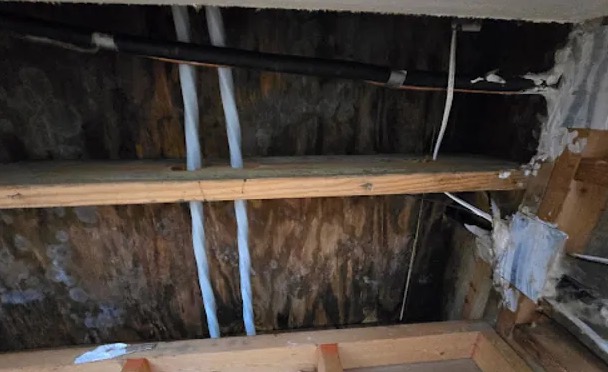
Expert Attic Water Removal for Camp Springs
In Camp Springs, the most common attic water sources are roof leaks, attic AC units and plumbing that runs through the attic. Each one needs to be stopped before drying can work.
A heavy storm in Camp Springs can push water into an attic overnight. Local attic drying specialists serve Camp Springs and nearby Oxon Hill, Suitland and Glassmanor, with help available around the clock.
The Attic Water Removal Process in Camp Springs
Emergency Attic Water Extraction
Emergency extraction starts with buckets and containment under active drips, then moves to pulling pooled water off the attic floor.
Wet Attic Insulation Removal
Fiberglass batts are lifted out by hand, while wet blown-in insulation is vacuumed with a high-powered insulation vacuum.
Roof Leak Water Removal
The entry point is photographed and marked, which helps both the roofer and your insurance adjuster.
Attic Moisture Inspection
Readings are recorded at the start and at each visit, giving a clear drying history for your records and insurer.
Attic Mold Prevention
Ventilation problems, such as blocked soffit vents or a bath fan venting into the attic, are pointed out so the attic does not stay damp.
Indicators of Attic Water Damage in Camp Springs
Water Dripping From Light Fixtures
Water dripping from a ceiling light or fan means an active leak above. Turn off that circuit.
Musty Odors in Your Home
A musty smell upstairs or at the attic hatch often points to wet insulation or damp wood above.
Peeling Paint on Ceilings or Walls
Paint that peels or blisters on upstairs ceilings and walls often has water behind it.
High Utility Bills Unexpectedly
Wet insulation loses its insulating value, so energy bills can rise after an attic leak.
How Attic Water Removal Works in Camp Springs
Step 1: Attic Flood Cleanup Response
Active drips are contained with buckets and plastic, and the room below is protected.
Step 2: Targeted Attic Moisture Removal
Water is vacuumed from between joists and on top of drywall, starting where it is deepest.
Step 3: Attic Dehumidification
Dehumidifiers pull moisture from the attic air while air movers dry the wet framing.
Step 4: Documentation for Restoration
Photos and moisture readings are compiled to show what was removed and when the attic dried.
Typical Sources of Attic Water Damage
Storm Damage From High Winds or Hail
High winds and hail can damage shingles and open the roof to rain during a storm.
Appliance Malfunctions Like Water Heater Leaks
Water heaters located in the attic can leak or fail, flooding the attic floor.
Ice Dam Formation on Roof Edges
Ice dams at the roof edge force melting snow back under shingles and into the attic.
Flashing Failures Around Roof Penetrations
Failed flashing around vents, chimneys and skylights lets rain run into the attic.
Home and Business Attic Water Removal Solutions
Residential Attic Water Removal
Homeowners with stored items in the attic need those moved out first. Wet boxes are dried or discarded before the attic floor is cleaned and dried.
Commercial Attic Water Removal
Offices and stores need the space below protected while attic work is under way. Drying is planned around business hours where possible.
The Risks of DIY Attic Water Removal in Camp Springs
If you can do it safely, look into the attic with a flashlight to find the wet area. Removing soaked insulation and drying the framing needs boards, protective gear and equipment.
Understanding Attic Water Removal Pricing
The cost of attic water removal in Camp Springs depends on how far the water spread, how much insulation is wet and whether ceiling drywall below must be replaced.
Secondary Damage Repairs
Ceiling drywall replacement and paint in the room below add to the total.
Extent of Water Damage
A leak confined to one bay costs less than water spread across the attic and the rooms below.
Type of Insulation Affected
Blown-in insulation takes more time to remove than batts, and both add disposal costs.
Does Insurance Cover Attic Water Removal?
Photograph the attic, the ceiling and any roof damage before cleanup, and keep receipts for tarping and emergency water removal.
Why Choose Local Pros for Attic Water Removal in Camp Springs
Industry Drying Standards
Drying follows industry water damage standards, with moisture readings taken at every visit.
Post-Cleanup Verification
Final readings confirm the attic is dry before new insulation goes in.
Structural Drying Focus
Rafters, decking and the ceiling are dried, not just the spot under the drip.
24-Hour Emergency Attic Water Removal Near Camp Springs
Wet insulation keeps the ceiling soaking every hour it stays. Call (410) 237-0394 for attic water removal in Camp Springs as soon as you see a stain or drip.
Call Now (410) 237-0394Local Attic Water Removal Coverage Area
Other places served are listed below, each with its own page.
Common Attic Water Removal Queries Answered
Can wet attic insulation be saved?
Lightly damp areas sometimes dry, but soaked or matted insulation is usually removed and replaced after the attic dries.
Why is emergency attic drying important?
Wet wood and drywall break down quickly. Drying fast saves more of the ceiling and lowers the risk of microbial growth.
How do professionals dry an attic?
With air movers and dehumidifiers placed on boards across the joists, checking moisture readings daily until the wood is dry.
What are attic dehumidification services?
Dehumidifiers placed in the attic pull moisture from the air and wood, speeding drying after a leak.
Will attic water damage cause mold?
It can if wood and insulation stay wet for days. Fast removal and drying are the main ways to prevent mold.