Columbia, MD · Howard County
Attic Water Removal in Columbia, MDRoof Leak Water Removal & Ceiling Water Damage Cleanup
Attic Water Removal in Columbia covers attic leak water cleanup, roof leak water removal and wet attic insulation removal.
Answered 24/7
Expert Attic Water Removal for Columbia
In Columbia, the most common attic water sources are roof leaks, attic AC units and plumbing that runs through the attic. Each one needs to be stopped before drying can work.
A heavy storm in Columbia can push water into an attic overnight. Local water damage restoration experts serve Columbia and nearby North Laurel, Ilchester and Ellicott City, with help available around the clock.
Comprehensive Attic Water Removal Offerings
Roof Leak Water Removal
The entry point is photographed and marked, which helps both the roofer and your insurance adjuster.
Ceiling Water Damage Cleanup
Fallen drywall, wet insulation and debris in the room below are cleaned up, and floors and furniture are protected during the work.
Attic Moisture Inspection
The inspection shows the full spread of the leak, so every wet area is either dried or removed.
Emergency Attic Water Extraction
Emergency extraction starts with buckets and containment under active drips, then moves to pulling pooled water off the attic floor.
Attic Drying Services
Equipment is adjusted daily, moving airflow from areas that are dry to areas that still read wet.
When to Consider Attic Water Removal in Columbia
Musty Odors in Your Home
A musty smell upstairs or at the attic hatch often points to wet insulation or damp wood above.
Wet or Damp Attic Insulation
Insulation that feels damp, looks dark or has packed down in one area has absorbed water.
Visible Mold in Attic Spaces
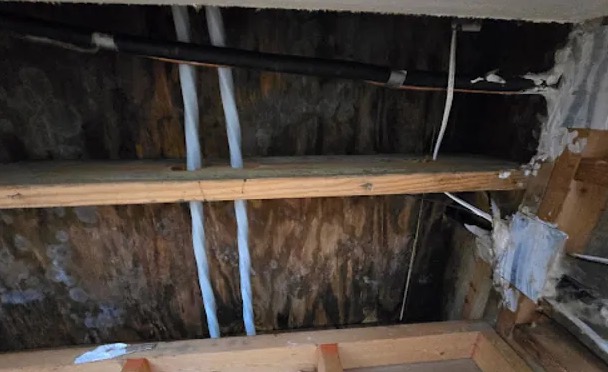
Dark spots on rafters or roof decking mean the wood has stayed damp for days or longer.
Increased Indoor Humidity Levels
Upstairs rooms that feel sticky or humid may have moisture coming down from the attic.
How Attic Water Removal Works in Columbia
Step 1: Source Control and Water Removal
The roof is tarped or the line shut off, and pooled water is removed from the attic floor.
Step 2: Wet Attic Cleanup and Debris Removal
Soaked insulation, wet debris and stored items are cleared so the wood and drywall can dry.
Step 3: Structural Drying and Dehumidification
Air movers and dehumidifiers are set on boards in the attic and run until readings drop.
Step 4: Final Attic Moisture Check
Decking, rafters and the ceiling below are tested to confirm they are dry before repairs.
Common Causes of Attic Water Damage in Columbia
Storm Damage From High Winds or Hail
High winds and hail can damage shingles and open the roof to rain during a storm.
Flashing Failures Around Roof Penetrations
Failed flashing around vents, chimneys and skylights lets rain run into the attic.
Roof Leaks From Damaged Shingles
Cracked, missing or lifted shingles let rain reach the decking and drip into the attic.
Condensation From Poor Attic Ventilation
Moist air from the house condenses on roof decking when attic ventilation is poor.
Both Residential & Commercial Attic Water Removal
Residential Attic Water Removal
In houses, attic water usually reaches a bedroom or hallway ceiling. Water and wet insulation are removed from above, and the ceiling below is dried or replaced.
Commercial Attic Water Removal
In commercial buildings, water above a drop ceiling soaks tiles and insulation over several rooms. Wet tiles are removed and the plenum space above is dried.
Professional Attic Water Removal Compared to DIY
If the ceiling is bulging, keep people out of the room and place a bucket nearby. Local water damage restoration experts can drain and remove it in a controlled way.
Estimating Attic Water Removal Expenses in Columbia
Tight attic access, blown-in insulation removal and storm-night calls all add to the total for attic water removal in Columbia.
Access and Attic Complexity
Low headroom and small access hatches make attic work slower than open spaces.
Type of Insulation Affected
Blown-in insulation takes more time to remove than batts, and both add disposal costs.
Extent of Water Damage
A leak confined to one bay costs less than water spread across the attic and the rooms below.
Does Insurance Cover Attic Water Removal?
Coverage for attic water removal depends on the cause and your policy terms. The pros document the damage and drying, and your insurer decides what is covered.
Advantages of Hiring Local Pros for Attic Water Removal in Columbia
Source Identification
The pros trace the water to its source and note it for the roofer or plumber.
Industry Drying Standards
Drying follows industry water damage standards, with moisture readings taken at every visit.
Mold Inhibitor Application
Wood that stayed wet can be treated with an antimicrobial after it is dried.
24/7 Emergency Attic Water Removal in Columbia
Night, weekend or holiday, the experts handle attic water in Columbia. Call (410) 237-0394 to get the water out and the ceiling protected.
Call Now (410) 237-0394Attic Water Removal Near Columbia: Areas Served
Besides Columbia, the experts remove attic water, wet insulation and soaked ceiling drywall in nearby North Laurel, Ilchester and Ellicott City.
- Attic Water Removal in North Laurel
- Attic Water Removal in Ilchester
- Attic Water Removal in Ellicott City
- Attic Water Removal in Elkridge
- Attic Water Removal in Laurel
- Attic Water Removal in Maryland City
- Attic Water Removal in Catonsville
- Attic Water Removal in Arbutus
- Emergency Damage Restoration in 21044
- Storm Damage Restoration in 21044
- Water Damage Restoration in 21044
- Water Extraction Service in 21044
- Water Leak Detection in 21044
- Water Removal Service in 21044
- Emergency Damage Restoration in 21045
- Storm Damage Restoration in 21045
Attic Water Removal FAQs
Do I need ceiling water damage cleanup too?
Usually. Water in the attic soaks the ceiling below, which needs to be checked and dried or replaced.
How long does attic drying take?
Often several days, depending on how wet the wood is, the attic temperature and how much insulation was removed.
Can I remove attic water myself?
Only small amounts that are easy to reach safely. Pooled water and soaked insulation need safe footing and drying equipment.
What happens during wet attic cleanup?
Water, wet insulation and debris are removed, stored items are moved out and the attic floor is cleaned before drying.
What is involved in attic water removal?
Stopping the source, removing pooled water, bagging wet insulation, drying the framing and decking, and checking the ceiling below.