White Oak, MD · Montgomery County
Attic Water Removal in White Oak, MDRoof Leak Water Removal & Ceiling Water Damage Cleanup
Attic Water Removal in White Oak covers attic leak water cleanup, roof leak water removal and wet attic insulation removal.
Answered 24/7
Reliable Attic Water Removal Near White Oak
After a storm in White Oak, water can enter an attic through damaged shingles, vents or holes from debris. Fast removal protects the ceiling and the rooms underneath.
A heavy storm in White Oak can push water into an attic overnight. Local attic drying specialists serve White Oak and nearby Fairland, Glenmont and Beltsville, with help available around the clock.
Specialized Attic Water Removal for White Oak
Roof Leak Water Removal
The entry point is photographed and marked, which helps both the roofer and your insurance adjuster.
Ceiling Water Damage Cleanup
A water-stained ceiling below the attic is checked with a meter. Firm, lightly damp drywall can dry in place, while soft or sagging drywall comes down.
Attic Drying Services
Equipment is adjusted daily, moving airflow from areas that are dry to areas that still read wet.
Emergency Attic Water Extraction
Water sitting on top of ceiling drywall adds weight fast. Removing it quickly can mean the difference between drying a ceiling and replacing it.
Wet Attic Insulation Removal
Insulation that got soaked is removed from the wet bays and bagged. Leaving it in place keeps the ceiling drywall damp for weeks.
Signs of Attic Water Damage in White Oak
Water Stains on Ceiling
A brown ring or yellow patch on an upstairs ceiling usually means water is sitting on the drywall from the attic.
High Utility Bills Unexpectedly
Wet insulation loses its insulating value, so energy bills can rise after an attic leak.
Condensation on Attic Windows or Nails
Damp nail tips or water droplets on attic surfaces point to moisture or ventilation problems.
Visible Mold in Attic Spaces
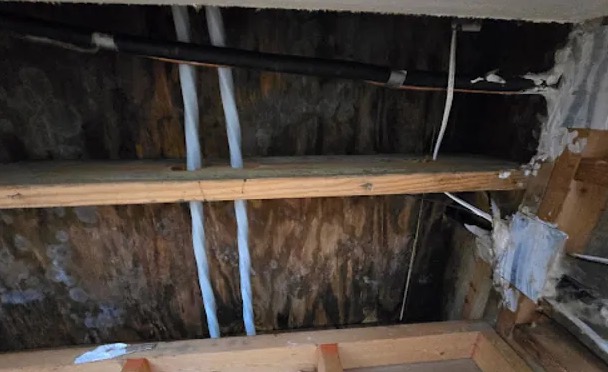
Dark spots on rafters or roof decking mean the wood has stayed damp for days or longer.
How Attic Water Removal Works in White Oak
Step 1: Attic Flood Cleanup Response
Active drips are contained with buckets and plastic, and the room below is protected.
Step 2: Targeted Attic Moisture Removal
Water is vacuumed from between joists and on top of drywall, starting where it is deepest.
Step 3: Attic Dehumidification
Dehumidifiers pull moisture from the attic air while air movers dry the wet framing.
Step 4: Documentation for Restoration
Photos and moisture readings are compiled to show what was removed and when the attic dried.
Why Attics Develop Water Damage
Flashing Failures Around Roof Penetrations
Failed flashing around vents, chimneys and skylights lets rain run into the attic.
Burst or Leaking Plumbing Pipes
Supply lines and drain pipes in the attic can crack or burst onto the ceiling.
Storm Damage From High Winds or Hail
High winds and hail can damage shingles and open the roof to rain during a storm.
Overflow From Clogged Bathroom Exhaust Ducts
Bathroom fan ducts that are loose or vented into the attic release moisture onto the wood.
Attic Water Removal for Homes and Businesses
Residential Attic Water Removal
Homeowners with stored items in the attic need those moved out first. Wet boxes are dried or discarded before the attic floor is cleaned and dried.
Commercial Attic Water Removal
Offices and stores need the space below protected while attic work is under way. Drying is planned around business hours where possible.
Professional Attic Water Removal Compared to DIY
Never step between attic joists. The ceiling drywall will not hold you, and a fall can cause injury. If water is pooled up there, call (410) 237-0394 instead.
Factors Influencing Attic Water Removal Cost
Roof or plumbing repair is billed separately from water removal and drying. In White Oak, both are needed after most attic leaks.
Drying Time Required
Dense wood framing can take several days to dry, which adds equipment time.
Access and Attic Complexity
Low headroom and small access hatches make attic work slower than open spaces.
Extent of Water Damage
A leak confined to one bay costs less than water spread across the attic and the rooms below.
Does Insurance Cover Attic Water Removal?
Photograph the attic, the ceiling and any roof damage before cleanup, and keep receipts for tarping and emergency water removal.
Advantages of Hiring Local Pros for Attic Water Removal in White Oak
Structural Drying Focus
Rafters, decking and the ceiling are dried, not just the spot under the drip.
Dehumidification Equipment
Dehumidifiers sized for the attic remove moisture much faster than roof vents and open hatches alone.
Controlled Demolition Practices
Only wet insulation and drywall are removed, which keeps the repair as small as possible.
Round-the-Clock Attic Water Removal for White Oak
If water is dripping from a light fixture, shut off that circuit at the panel and keep clear. Then call (410) 237-0394 for help in White Oak.
Call Now (410) 237-0394Nearby Towns for Attic Water Removal from White Oak
Besides White Oak, local attic drying specialists remove attic water, wet insulation and soaked ceiling drywall in nearby Fairland, Glenmont and Beltsville.
Your Attic Water Removal FAQs Resolved
Can wet attic insulation be saved?
Lightly damp areas sometimes dry, but soaked or matted insulation is usually removed and replaced after the attic dries.
What causes attic water damage?
Roof leaks, plumbing failures, attic AC overflows, water heater leaks, loose bath fan ducts and poor ventilation.
How quickly should I deal with water in my attic?
Right away. Water on top of ceiling drywall soaks in and adds weight, and the ceiling can sag or fall within a day.
What happens during wet attic cleanup?
Water, wet insulation and debris are removed, stored items are moved out and the attic floor is cleaned before drying.
How do professionals dry an attic?
With air movers and dehumidifiers placed on boards across the joists, checking moisture readings daily until the wood is dry.