Carney, MD · Baltimore County
Basement Water Damage Restoration in Carney, MDBasement Mold Prevention & Emergency Basement Flood Cleanup
Basement Water Damage Restoration in Carney runs from basement water extraction and basement floor water removal to basement dehumidification.
Answered 24/7
Expert Basement Water Damage Restoration Serving Carney
A basement dries slower than any other part of a house. The air is cool, there is little sunlight and the concrete holds moisture for a long time. In Carney, that makes extraction and steady dehumidification important.
One burst pipe or heavy storm in Carney can flood a basement. Local restoration pros serve Carney and nearby Parkville, Overlea and Perry Hall, with help available around the clock.
Basement Water Damage Restoration Services in Carney
Basement Mold Prevention
After drying, an antimicrobial can be applied to framing and concrete that were wet, to slow mold on surfaces that stay in place.
Emergency Basement Flood Cleanup
Help is available any hour when water is rising in the basement from a burst pipe, a sewer backup or heavy rain.
Basement Drying Services
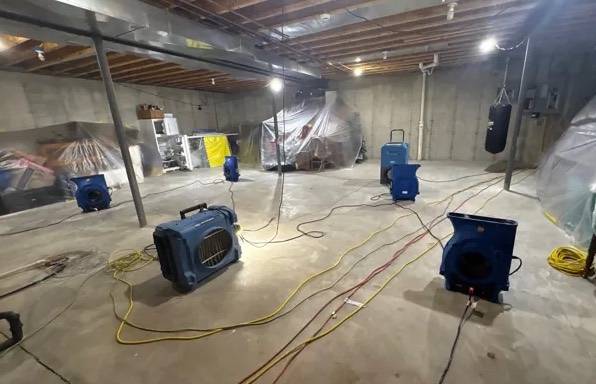
Air movers and dehumidifiers are placed to dry walls, framing and the slab. Below-grade rooms dry slowly, so readings are taken daily.
Basement Sewer Backup Cleanup
Porous materials touched by sewage, such as carpet, pad and lower drywall, are removed. Concrete and framing are cleaned and disinfected.
Basement Water Extraction
Submersible pumps remove deep standing water, then portable extractors pull water from carpet, pad and the concrete floor.
How to Know You Need Basement Water Damage Restoration in Carney
Standing Water in the Basement
Any standing water on the basement floor needs pumping right away, before it soaks walls and framing.
Wet or Stained Basement Walls
Dark, wet patches or tide lines on basement walls show where water seeped in or wicked up.
Sump Pump Failure or Overflow
A sump pump that runs constantly, fails to start or lets the pit overflow puts the basement at risk.
High Humidity Levels Below-Grade
A basement that stays damp and clammy even on dry days has a moisture source that needs attention.
How Basement Water Damage Restoration Works in Carney
Step 1: Initial Assessment and Water Removal
The source and type of water are identified, and standing water is removed right away.
Step 2: Focused Drying of Materials
Walls, framing and the slab are dried with directed airflow, with wet insulation removed.
Step 3: Air Quality Management
Air scrubbers filter dust and odors from removal work while drying continues.
Step 4: Documentation for Restoration
Photos, readings and a list of removed materials are prepared for insurance and rebuilding.
Common Causes of Water Damage in Carney
Faulty Basement Waterproofing
Old or failed waterproofing on foundation walls lets water through during wet weather.
Overland Flooding From Storms
Heavy storms and snowmelt can send surface water into basements through doors and walls.
Stormwater Runoff Into Lower Levels
Heavy rain running off hard ground or a sloped yard can pour down stairwells and under doors into below-grade rooms.
Plumbing Pipe Bursts or Leaks
Supply lines and drain pipes in basement ceilings can crack or burst onto the floor below.
Residential and Commercial Basement Water Damage Restoration in Carney
Residential Basement Water Damage Restoration
Homeowners with older basements may have seepage that returns with each storm. Drying fixes the current damage, and the source is noted for a waterproofing contractor.
Commercial Basement Water Damage Restoration
Apartment and condo buildings with shared basements or lower levels may have laundry and storage below grade. Each area is extracted, dried and recorded for the building manager.
When to DIY and When to Call the Pros for Basement Water Damage Restoration
You can move belongings off the floor and run a household dehumidifier. Drying soaked walls and slabs needs larger equipment and moisture readings to confirm the space is truly dry.
What Influences Basement Water Damage Restoration Cost in Carney
In Carney, basement jobs often run longer than upper-floor jobs because concrete dries slowly. Equipment days make up much of the bill.
Drying Time Required
Basements dry slowly, and longer drying means more equipment days and monitoring visits.
Access Complexity
Narrow stairs, low ceilings and stored contents can make the work slower.
Dehumidification Needs
Large dehumidifiers may need to run longer in below-grade spaces than in upper floors.
Does Insurance Cover Basement Water Damage Restoration?
Flood damage from rising outside water usually needs flood insurance. Water from inside the home, like a broken pipe, is more often covered.
Advantages of Hiring Local Pros in Carney for Basement Water Damage Restoration
Advanced Moisture Detection
Moisture meters and thermal cameras find water in walls and slabs that looks dry.
24/7 Emergency Response
Help is available day or night when water is rising in the basement.
Water Type Handling
Clean water, gray water and sewage are each handled with the right protection and removal steps.
Round-the-Clock Emergency Basement Water Damage Restoration in Carney
Every hour of standing water in a basement means more drywall and flooring to replace. Call (410) 237-0394 for basement water damage restoration in Carney.
Call Now (410) 237-0394Basement Water Damage Restoration Serving Carney, Parkville, Overlea and Perry Hall
Need basement water damage restoration outside Carney? Service also covers Parkville, Overlea and Perry Hall, including emergency help during storms.
- Basement Water Damage Restoration in Parkville
- Basement Water Damage Restoration in Overlea
- Basement Water Damage Restoration in Perry Hall
- Basement Water Damage Restoration in Hampton
- Basement Water Damage Restoration in Rossville
- Basement Water Damage Restoration in Rosedale
- Basement Water Damage Restoration in Towson
- Basement Water Damage Restoration in White Marsh
- Emergency Damage Restoration in 21236
- Storm Damage Restoration in 21236
- Water Damage Restoration in 21236
- Water Extraction Service in 21236
- Water Leak Detection in 21236
- Water Removal Service in 21236
Basement Water Damage Restoration Common Questions Answered
How is basement restoration documented for insurance?
With photos of the water level and damage, moisture readings, a list of removed materials and daily drying logs.
What health risks come with delayed basement flood cleanup?
Standing water and wet materials can support bacteria and microbial growth, and sewage carries contaminants that need disinfection.
Does basement mold prevention need special steps after flooding?
Fast drying is the main step. Wood and concrete that stayed wet can be treated with an antimicrobial once dry.
What are signs of hidden moisture after below-grade water extraction?
Musty smells, tide lines on walls, damp carpet edges and moisture readings that stay high in walls or the slab.
What causes the most common below-grade leaks in homes?
Sump pump failures, foundation cracks, clogged drain tile, sewer backups and burst pipes in the basement ceiling.