Lake Shore, MD · Anne Arundel County
Basement Water Removal in Lake Shore, MDEmergency Basement Flooding & Basement Floor Water Damage
After a burst pipe or storm, Basement Water Removal in Lake Shore means basement water pump out, basement wall drying and basement drying services.
Answered 24/7
Basement Water Removal Solutions for Lake Shore Homeowners
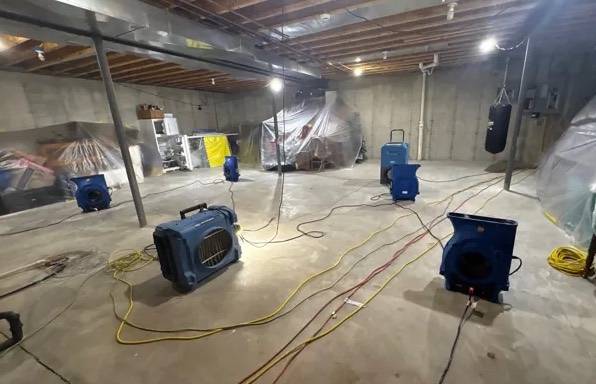
Dehumidification is the slow but necessary part of basement water removal in Lake Shore. Pumps remove standing water quickly, but walls and concrete keep releasing moisture for days.
Homes in Lake Shore and nearby Green Haven, Arnold and Severna Park with basements face storm seepage, sewer backups and plumbing leaks. Help with basement water removal covers pump-out, wall and floor drying and dehumidification.
Professional Basement Water Removal Offerings
Emergency Basement Flooding
Help is available any hour when water is rising in the basement from a storm, a sewer backup or a burst pipe.
Basement Floor Water Damage
Water on a basement floor soaks into carpet pad, laminate seams and the concrete itself. Floor coverings are lifted where needed so the slab can dry.
Basement Wall Drying
Concrete and block walls dry with directed airflow and dehumidification, which pull water out of the masonry.
Basement Water Pump Out
Pumping starts once power to the basement is safe. Deep water goes first, then extractors handle the thin layer left on the floor.
Basement Drying Services
Equipment stays until the basement reads dry, not just until it looks dry. Removing it early lets dampness return.
When to Call for Basement Water Removal in Lake Shore
Warped or Buckling Flooring
Flooring that buckles, lifts or feels spongy has water trapped between it and the slab.
Gurgling Sounds From Drains
Gurgling floor drains or slow drains can be an early sign of a sewer line problem.
Mold or Mildew
Dark spots on drywall, framing or stored items mean the area has stayed wet for days.
Efflorescence on Concrete Walls
White, powdery deposits on concrete walls mean water is passing through the masonry.
How Basement Water Removal Works in Lake Shore
Step 1: Safety Assessment and Pump Out
Electrical hazards are checked, then deep water is pumped outside away from the foundation.
Step 2: Content Removal and Damage Documentation
Wet belongings are moved, and photos record the water level and damaged materials.
Step 3: Targeted Water Removal and Drying
Carpet is extracted, wet drywall is cut back and air is aimed at walls and the slab.
Step 4: Sanitization and Moisture Control
Surfaces touched by dirty water are disinfected, and dehumidifiers keep humidity low.
Common Causes of Basement Water Damage in Lake Shore
High Water Table and Hydrostatic Pressure
A high water table presses groundwater against the slab and walls, forcing it inside.
Window Well Leaks and Drainage
Window wells without drains or covers fill with rain and leak through the windows.
Heavy Rainfall and Storm Flooding
Heavy rain saturates the soil and pushes water through walls, cracks and the floor joint.
Plumbing Leaks or Pipe Bursts
Supply lines, drain pipes and water heaters in the basement can leak or burst onto the floor.
Basement Water Removal for Homes and Businesses
Residential Basement Water Removal
Finished basements used as bedrooms or family rooms need careful moisture checks behind walls and under flooring, since that is where water hides.
Commercial Basement Water Removal
Businesses with below-grade storage need wet inventory moved out and documented. Drying is planned around daily operations wherever possible.
When to Hire Local Pros for Basement Water Removal
A small puddle on bare concrete can be handled with a wet vac, towels and a dehumidifier. Call local water extraction experts if water reached carpet, drywall or framing, or covers much of the floor.
Understanding Basement Water Removal Pricing
The cost of basement water removal in Lake Shore depends on how deep the water is, what type of water it is and how much finished material has to come out.
Time of Service
Night, weekend and storm calls can cost more than a scheduled weekday visit.
Additional Services
Antimicrobial treatment, contents cleaning and repairs after drying add to the cost.
Drying Time Required
Basements dry slowly, and each extra day of equipment adds to the total.
Does Insurance Cover Basement Water Removal?
Flooding from outside water usually needs separate flood insurance. Water from a broken pipe or appliance inside is more often covered.
Benefits of Hiring Local Pros for Basement Water Removal in Lake Shore
24/7 Emergency Response
Help is available day or night when water is rising in the basement.
Focus on Drying Outcomes
Drying continues until readings are normal, not just until surfaces look dry.
Post-Service Moisture Verification
Final readings are recorded before equipment leaves, so you know the basement is dry.
Round-the-Clock Basement Water Removal for Lake Shore
If water is near outlets, the furnace or the electrical panel, stay out of it. Call (410) 237-0394 for help in Lake Shore and wait for power to be made safe.
Call Now (410) 237-0394Local Basement Water Removal Coverage for Green Haven, Arnold and Severna Park
Besides Lake Shore, local water extraction experts handle basement pump-outs, wall drying and dehumidification in nearby Green Haven, Arnold and Severna Park.
Common Basement Water Removal Questions Answered
How is contaminated water handled in a basement?
With protective gear, containment, removal of porous materials and disinfection of hard surfaces before drying.
Can I dry my basement myself with fans?
Fans help with surface water, but walls and concrete need dehumidifiers and readings to dry fully.
Can wet drywall in a basement be saved?
Sometimes, if the water was clean and removed quickly. Soaked or contaminated drywall is cut out above the water line.
What is involved in basement water removal?
Making power safe, pumping out standing water, extracting floors and carpet, removing soaked materials and dehumidifying until dry.
How is basement wall drying done?
Wet drywall is cut back, insulation removed and directed airflow and dehumidifiers dry the studs and masonry.