White Marsh, MD · Baltimore County
Basement Water Removal in White Marsh, MDEmergency Basement Flooding & Basement Moisture Inspection
Basement Water Removal in White Marsh runs from basement water pump out and basement drying services to basement dehumidification.
Answered 24/7
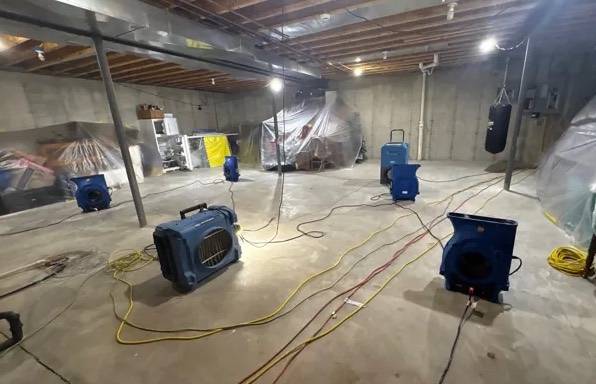
Reliable Basement Water Removal Near White Marsh, Maryland
In White Marsh homes with a basement or below-grade room, water usually comes from storms, sewer backups or plumbing leaks overhead. The source decides how the water is handled and what can be saved.
Homes in White Marsh and nearby Perry Hall, Rossville and Middle River with basements face storm seepage, sewer backups and plumbing leaks. Help with basement water removal covers pump-out, wall and floor drying and dehumidification.
Basement Water Removal Services in White Marsh
Emergency Basement Flooding
A flooded basement threatens the furnace, water heater and anything stored on the floor. Fast pumping protects what can still be saved.
Basement Moisture Inspection
An inspection shows how high water wicked up the walls and how far it spread under flooring, which sets the drying plan.
Sump Pump Failure Water Cleanup
A backup pump or battery system is worth discussing with a plumber after the cleanup, since sump failures often repeat in storms.
Basement Dehumidification
After drying, a household dehumidifier may still be needed to keep basement humidity in a healthy range.
Basement Floor Water Damage
Concrete floors are squeegeed, extracted and dried with airflow and dehumidifiers until moisture readings drop.
When to Call for Basement Water Removal in White Marsh
Musty Odors and Mold Smell
A musty or damp smell in the basement points to wet materials hidden somewhere in the space.
Mold or Mildew
Dark spots on drywall, framing or stored items mean the area has stayed wet for days.
Rusted Appliances or Furniture
Rust on appliance bases, furniture legs or metal shelving points to standing water or long-term dampness.
Water Stains on Walls or Ceiling
Stains on lower walls or the ceiling below a bathroom or kitchen point to a leak.
How Basement Water Removal Works in White Marsh
Step 1: Source Control and Water Pump Out
The leak is shut off and standing water is pumped out, starting at the lowest point.
Step 2: Water Extraction
Extractors pull water from carpet, pad and concrete, and wet vacs clear corners and stairs.
Step 3: Dehumidification and Drying
Large dehumidifiers and air movers dry walls, framing and slab over several days.
Step 4: Inspection and Clearance for Repair
Final readings confirm the basement is dry and ready for drywall and flooring repairs.
Why Basements Flood in White Marsh
Heavy Rainfall and Storm Flooding
Heavy rain saturates the soil and pushes water through walls, cracks and the floor joint.
Appliance Malfunctions and Overflows
Washers, utility sinks and water softeners in the basement can overflow or leak.
Sewer Line Backups and Blockages
A blocked sewer line can push wastewater up through basement floor drains and toilets.
Plumbing Leaks or Pipe Bursts
Supply lines, drain pipes and water heaters in the basement can leak or burst onto the floor.
Professional Basement Water Removal for All Properties
Residential Basement Water Removal
Finished basements used as bedrooms or family rooms need careful moisture checks behind walls and under flooring, since that is where water hides.
Commercial Basement Water Removal
Businesses with below-grade storage need wet inventory moved out and documented. Drying is planned around daily operations wherever possible.
The Risks of DIY Basement Water Removal
Water that came up through a floor drain may be sewage. Avoid touching it, keep children and pets away and call local basement drying experts for cleanup with protective gear and disinfection.
Basement Water Removal Cost in White Marsh, MD
In White Marsh, the drying phase usually costs more than the pumping, because basements need equipment running for several days.
Drying Time Required
Basements dry slowly, and each extra day of equipment adds to the total.
Contamination Level
Sewage or dirty water needs protective gear, removal and disinfection, which costs more.
Time of Service
Night, weekend and storm calls can cost more than a scheduled weekday visit.
Does Insurance Cover Basement Water Removal?
Coverage for basement water removal depends on the water source and your policy. The pros document the damage and drying, and your insurer decides what is covered.
Why Choose Local Pros for Basement Water Removal in White Marsh
Advanced Drying Equipment
Pumps, extractors and large dehumidifiers remove water much faster than household tools.
Post-Service Moisture Verification
Final readings are recorded before equipment leaves, so you know the basement is dry.
Moisture Inspection
Meters and thermal cameras find water in walls, floors and slab that looks dry.
24/7 Basement Water Removal When You Need It
The faster a basement is pumped out, the more can be saved. Call (410) 237-0394 for basement water removal in White Marsh as soon as you see water.
Call Now (410) 237-0394Local Basement Water Removal Coverage for Perry Hall, Rossville and Middle River
Help with basement water removal reaches Perry Hall, Rossville and Middle River, plus other communities around White Marsh, for finished and unfinished basements alike.
- Basement Water Removal in Perry Hall
- Basement Water Removal in Rossville
- Basement Water Removal in Middle River
- Basement Water Removal in Carney
- Basement Water Removal in Overlea
- Basement Water Removal in Bowleys Quarters
- Basement Water Removal in Joppatowne
- Basement Water Removal in Rosedale
- Emergency Damage Restoration in 21162
- Storm Damage Restoration in 21162
- Water Damage Restoration in 21162
- Water Extraction Service in 21162
- Water Leak Detection in 21162
- Water Removal Service in 21162
Answers to Top Basement Water Removal Queries
What is involved in basement water removal?
Making power safe, pumping out standing water, extracting floors and carpet, removing soaked materials and dehumidifying until dry.
How does a basement moisture inspection work?
Moisture meters and thermal cameras check walls, floors and the slab, including behind finished walls and under flooring.
What causes basement floor water damage?
Storm seepage, burst pipes, appliance leaks, foundation cracks and sewer backups through floor drains are the usual sources.
What is the difference between a pump out and extraction?
A pump out removes deep standing water. Extraction pulls the remaining water from carpet, pad and floors.
Is a sump pump failure an emergency?
Yes, especially during rain. Groundwater can rise quickly once the pump stops, flooding the floor and finished rooms.