Hampton, MD · Baltimore County
Bedroom Water Removal in Hampton, MDBedroom Water Extraction & Water Damaged Drywall Repair
Bedroom Water Removal in Hampton covers bedroom water extraction, wet carpet removal and bedroom structural drying after a leak.
Answered 24/7
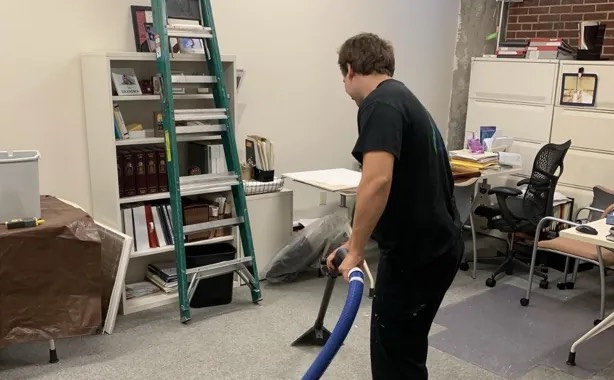
Bedroom Water Removal and Damage Mitigation in Hampton, Maryland
Wet carpet is the most common bedroom water problem in Hampton. Carpet pad soaks up water like a sponge and holds it against the subfloor, where it can stay wet for days.
In Hampton, many bedroom water calls start with wet carpet along a wall shared with a bathroom. Local water damage pros serve Hampton, Timonium, Lutherville and Parkville, finding the source and drying the room.
Water Damage and Bedroom Water Removal in Hampton
Bedroom Water Extraction
Bedroom water often comes from a bathroom next door or a leak above. Extraction covers the bedroom, the closet and any hallway the water reached.
Water Damaged Drywall Repair
Lightly damp drywall can be dried in place with small holes near the base for airflow. Soft or crumbling drywall is replaced.
Bedroom Humidity Control
Dehumidifiers control moisture in the room during and after drying, which helps walls, carpet and furniture dry evenly.
Wet Carpet Removal
Pulling back the carpet lets air reach the subfloor, which can stay wet long after the carpet surface feels dry.
Bedroom Mold Prevention
Bedrooms are closed rooms with furniture against the walls, which slows drying. Moving furniture out lets air reach wet areas.
Signs of Water Damage Requiring Bedroom Water Removal in Hampton
Wet Insulation in Exterior Walls
Cold, damp spots on an exterior wall can mean wet insulation from a leaking pipe or window.
Baseboards Warping or Discoloring
Baseboards that swell, split or darken have been soaking up water from the floor.
Wet or Damp Carpeting
Carpet that feels damp or cold underfoot is holding water in the pad against the subfloor.
Unexplained Spike in Water Bill
A water bill that rises with no change in use can mean a hidden leak in a bedroom wall.
How Bedroom Water Removal Works in Hampton
Step 1: Source Stop and Safety Check
The water is shut off, and wet outlets and sagging ceilings are checked before work starts.
Step 2: Bulk Water Removal
Extractors and wet vacs remove water from carpet, hardwood and closet floors.
Step 3: Removal of Damaged Materials
Soaked drywall, baseboards and ceiling sections are cut out to open the area for drying.
Step 4: Drying Techniques
Dehumidifiers and air movers run until walls, ceiling and subfloor reach normal readings.
Why Bedrooms Need Water Removal in Hampton
Foundation Cracks or Seepage
Foundation cracks let groundwater seep into ground-floor and below-grade bedrooms after heavy rain.
Fire Suppression System Malfunction
A damaged or accidentally triggered fire sprinkler head can soak a bedroom quickly.
Roof Leaks From Storms
Storm damage to the roof lets rain soak attic insulation and drip into the bedroom ceiling.
HVAC Condensation Drain Issues
A clogged AC condensate line in the attic or closet overflows onto the bedroom ceiling or floor.
Bedroom Water Damage Help for Hampton Properties
Residential Bedroom Water Removal
In homes, bedroom water damage often comes from a neighboring bathroom or a closet water heater. Water is extracted, carpet and pad handled and walls dried so the room can be used again.
Commercial Bedroom Water Removal
In hotels, dorms and rental properties, a leak in one room can affect several. Each room is extracted and dried quickly so it can return to service.
Bedroom Water Removal vs. DIY: When to Call the Pros
Placing foil or plastic under furniture legs on wet carpet prevents rust and wood stains. The carpet and pad underneath still need professional extraction and drying.
Bedroom Water Removal Cost in Hampton, MD
The pros check the carpet, walls, closet and ceiling before pricing bedroom water removal in Hampton, then explain what will be dried or removed.
Mold Prevention Needs
Antimicrobial treatment of framing that stayed wet is an added step priced by area.
Secondary Repairs
Replacing carpet, drywall and paint after drying are separate repair costs from the water removal.
Specialized Equipment
Thermal cameras, extra dehumidifiers or air scrubbers for larger jobs add to the total.
Does Insurance Cover Bedroom Water Removal?
Many homeowner policies cover sudden water damage in a bedroom, such as a burst pipe or overflow, but not slow leaks or outside flooding. Check your policy and call your insurer early.
Selecting Local Pros for Bedroom Water Removal in Hampton, Maryland
Structural Drying Services
Subfloors, wall cavities and framing are dried, not just the carpet you can see.
Ceiling Leak Prep
Wet ceiling drywall is removed safely and the cavity is dried, ready for patching.
Water Removal
Water is extracted from carpet and floors as soon as the source is stopped, which limits damage.
24/7 Emergency Bedroom Water Removal in Hampton
Night, weekend or holiday, local water damage pros handle bedroom water damage in Hampton. Call (410) 237-0394 to get the water out and drying started.
Call Now (410) 237-0394Local Bedroom Water Removal Coverage for Hampton, Timonium, Lutherville and Parkville
Need bedroom water removal outside Hampton? Service also covers Timonium, Lutherville and Parkville, including emergency help after storms.
Frequently Asked Questions About Bedroom Water Removal in Hampton
Why is moisture detection needed after extraction?
Extraction removes surface water, but pad, subfloor and walls stay wet inside. Meters show what still needs drying.
When is wet carpet removal necessary?
When the water was dirty, the carpet was wet for days or the backing has separated from the carpet.
Can wet bedroom carpet be saved?
Often yes, if the water was clean and removed quickly. The pad is usually replaced, while the carpet is dried and relaid.
What is bedroom humidity control after flooding?
Running dehumidifiers to keep the room's humidity normal while carpet, walls and furniture dry.
Why is bedroom mold prevention important after a leak?
Bedrooms are closed spaces where wet carpet and walls dry slowly. Fast drying keeps microbial growth from starting.