Glenmont, MD · Montgomery County
Behind Wall Water Extraction in Glenmont, MDWall Leak Source Identification & Moisture Barrier Installation
Behind Wall Water Extraction in Glenmont includes wall leak source identification, wet drywall removal and post-extraction wall sanitization.
Answered 24/7
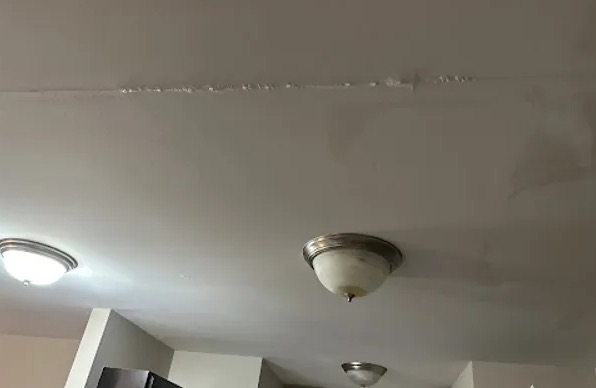
Professional Behind Wall Water Extraction in Glenmont, MD
Not every wet wall needs to be torn out. In Glenmont, drywall that got wet from a clean water leak and was caught early can often be dried in place with directed airflow.
A pipe leaking inside a wall in Glenmont can soak the floor and the room next door. Local water extraction pros serve Glenmont and nearby Aspen Hill, White Oak and Fairland, with help around the clock.
Complete Behind Wall Water Extraction Solutions for Glenmont
Wall Leak Source Identification
Finding the source matters because drying is wasted if the wall keeps getting wet. The source is noted for your plumber or roofer.
Moisture Barrier Installation
A vapor barrier that trapped water against the studs is removed during drying, and a new one is installed only after readings are normal.
Post-Extraction Wall Sanitization
After drying, framing and the back of drywall can be cleaned and treated with an antimicrobial where they stayed wet.
Interior Wall Drying Services
Directed drying often saves drywall that would otherwise be cut out, as long as the water was clean and caught early.
Hidden Water Damage Detection
Detection starts at the visible stain or soft spot and works outward, checking studs, baseboards and the floor along the wall.
How to Tell If You Need Behind Wall Water Extraction in Glenmont
Paint or Wallpaper Blistering
Paint or wallpaper that blisters or peels is often lifting from moisture behind it.
Unexplained Water Stains
A stain on a wall with no obvious source usually means water is coming from inside the wall or above it.
Warped or Bubbling Drywall
Drywall that bubbles, bows or warps has water behind it pushing on the paper face.
Soft Spots When Pressing Wall
Drywall that gives when pressed has been weakened by water and may need to be cut out.
How Behind Wall Water Extraction Works in Glenmont
Step 1: Non-Invasive Moisture Detection
Readings through the drywall show the wet area before any holes are made.
Step 2: Strategic Water Extraction
Small access points let water drain and be extracted from the bottom of the cavity.
Step 3: Structural Cavity Drying
Directed airflow dries the studs and plates, with equipment adjusted each day as readings drop.
Step 4: Area Sanitization and Monitoring
Surfaces are cleaned, framing that stayed wet is treated and readings are logged until dry.
What Causes Water Behind Walls in Glenmont?
Overflow From Adjacent Rooms
Water from an overflowing tub or burst line in the next room runs under the wall into its cavity.
Appliance Supply Line Leaks
Supply lines for refrigerators, washers and dishwashers can leak into the wall behind them.
Window or Door Seal Failure
Worn caulk and flashing around windows and doors let rain into the wall during storms.
Siding or Stucco Penetration
Cracks in siding or stucco, and gaps around fixtures, let rain into the wall cavity.
Behind Wall Water Extraction Services for Any Property in Glenmont
Residential Behind Wall Water Extraction
In homes, behind-wall leaks often start at a bathroom, kitchen or laundry wall. Water is found, the wall opened where needed and the cavity dried so the room can be repaired.
Commercial Behind Wall Water Extraction
In offices and stores, wall leaks can damage wiring, finishes and stock along the wall. Work is planned around business hours, and access holes are kept small where possible.
Behind Wall Water Extraction: Professional Help vs. DIY in Glenmont
A fan blowing on the outside of a wall will not dry the cavity behind it. Professional drying pushes air into the wall and uses readings to confirm the studs are dry.
Understanding Behind Wall Water Extraction Costs in Glenmont
The cost of behind wall water extraction in Glenmont depends on how much wall area is wet, whether insulation must be removed and how hard the source is to trace.
Sanitization Requirements
Water from a drain or sewer line requires cleaning and disinfection of the wall cavity.
Wall Area Affected
A wet section a few feet wide costs less to dry than water spread along a whole wall or several rooms.
Access Method Needed
Drying through small holes costs less than cutting out and replacing large sections of drywall.
Does Insurance Cover Behind Wall Water Extraction?
Photos, thermal images, moisture readings and drying logs from local water extraction pros help support an insurance claim for water inside walls in Glenmont.
Advantages of Hiring Local Pros for Behind Wall Water Extraction in Glenmont
Advanced Moisture Detection
Thermal cameras and meters show water behind walls before anything is opened.
Moisture Barrier Expertise
Vapor barriers in exterior walls are replaced after drying, so the wall works as designed.
Damage Assessment
The whole wall and the rooms beside it are checked, so hidden damage is not missed.
Emergency Behind Wall Water Extraction Response in Glenmont, MD
If water is coming from outlets or switches, shut off that circuit at the panel and stay away. Then call (410) 237-0394 for help in Glenmont.
Call Now (410) 237-0394Behind Wall Water Extraction Near Glenmont: Areas Served
Help with behind wall water extraction reaches Aspen Hill, White Oak and Fairland, plus other communities around Glenmont, for houses, apartments and commercial buildings.
- Behind Wall Water Extraction in Aspen Hill
- Behind Wall Water Extraction in White Oak
- Behind Wall Water Extraction in Fairland
- Behind Wall Water Extraction in Silver Spring
- Behind Wall Water Extraction in Olney
- Behind Wall Water Extraction in Takoma Park
- Behind Wall Water Extraction in Chillum
- Behind Wall Water Extraction in Beltsville
Behind Wall Water Extraction FAQs
Is the source of a wall leak identified?
Yes. The pros trace the water to a pipe, fixture, window or roof leak and note it so the right repair can be made.
How fast can emergency behind wall water removal start?
Help is available any hour, and extraction can start as soon as the water is shut off.
What follows after behind wall water removal?
Once readings are normal, insulation is replaced, drywall is patched and the wall is finished and painted.
Does water extraction require cutting into drywall?
Not always. Small holes or removed baseboards are often enough. Larger cuts are made only where drywall is ruined.
Why is post-extraction wall sanitization important?
Framing that stayed wet, or was reached by drain water, can be cleaned and treated so odors and mold do not develop.