Hampton, MD · Baltimore County
Behind Wall Water Extraction in Hampton, MDPost-Extraction Wall Sanitization & Wet Drywall
Behind Wall Water Extraction in Hampton runs from wall leak source identification and wall cavity water extraction to moisture barrier installation.
Answered 24/7
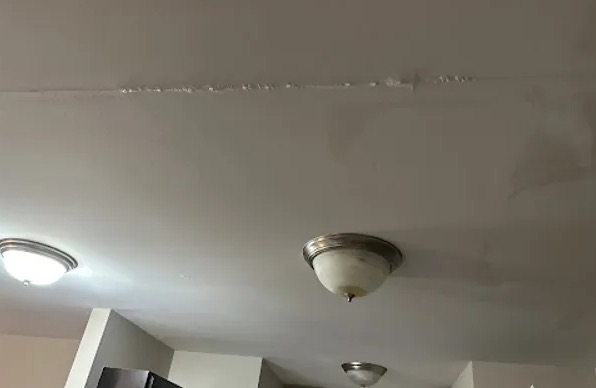
Professional Behind Wall Water Extraction in Hampton, MD
Not every wet wall needs to be torn out. In Hampton, drywall that got wet from a clean water leak and was caught early can often be dried in place with directed airflow.
A pipe leaking inside a wall in Hampton can soak the floor and the room next door. Local behind wall water removal experts serve Hampton and nearby Timonium, Lutherville and Parkville, with help around the clock.
The Behind Wall Water Extraction Process in Hampton, MD
Post-Extraction Wall Sanitization
After drying, framing and the back of drywall can be cleaned and treated with an antimicrobial where they stayed wet.
Wet Drywall
A meter shows exactly how high the water wicked up the drywall, so the cut is made only where it is needed.
Interior Wall Drying Services
Dry air is pushed into the wall cavity through small holes near the base, while dehumidifiers pull moisture out of the room.
Hidden Water Damage Detection
Moisture meters and thermal cameras show wet areas inside a wall without opening it, mapping how far water spread from the leak.
Moisture Barrier Installation
A vapor barrier that trapped water against the studs is removed during drying, and a new one is installed only after readings are normal.
Warning Signs You Need Behind Wall Water Extraction
Warped or Bubbling Drywall
Drywall that bubbles, bows or warps has water behind it pushing on the paper face.
Soft Spots When Pressing Wall
Drywall that gives when pressed has been weakened by water and may need to be cut out.
Sagging or Drooping Drywall
Drywall that sags or droops is holding water and can fail. Keep clear and call for help.
Sounds of Dripping Inside Walls
Dripping or running water sounds inside a wall when no fixture is on usually mean a pipe leak.
How Behind Wall Water Extraction Works in Hampton
Step 1: Hidden Water Damage Inspection
Meters and thermal cameras map the wet area inside the wall and along the floor beside it.
Step 2: Wall Cavity Water Extraction
Baseboards or small sections are removed, and water and wet insulation are pulled from the cavity.
Step 3: Interior Wall Drying Process
Dry air is directed into the cavity while dehumidifiers run, with readings taken every day.
Step 4: Post-Extraction Verification and Sanitization
Final readings confirm dry framing, and surfaces that stayed wet can be cleaned and treated.
What Causes Water Behind Walls in Hampton?
HVAC Condensate Drain Problems
A clogged AC condensate line can overflow into a wall or closet near the air handler.
Window or Door Seal Failure
Worn caulk and flashing around windows and doors let rain into the wall during storms.
Appliance Supply Line Leaks
Supply lines for refrigerators, washers and dishwashers can leak into the wall behind them.
Siding or Stucco Penetration
Cracks in siding or stucco, and gaps around fixtures, let rain into the wall cavity.
Behind Wall Water Extraction Services for Any Property in Hampton
Residential Behind Wall Water Extraction
In homes, behind-wall leaks often start at a bathroom, kitchen or laundry wall. Water is found, the wall opened where needed and the cavity dried so the room can be repaired.
Commercial Behind Wall Water Extraction
In offices and stores, wall leaks can damage wiring, finishes and stock along the wall. Work is planned around business hours, and access holes are kept small where possible.
Behind Wall Water Extraction vs. DIY: When to Call the Pros
You can shut off the water, turn off power to outlets on the wet wall and take photos. Finding and drying water inside a wall takes meters, thermal cameras and drying equipment.
What Affects Behind Wall Water Extraction Cost in Hampton?
The pros map the wet area before pricing behind wall water extraction in Hampton, then explain what will be opened, removed and dried.
Insulation Involvement
Wet insulation must usually be removed and replaced, which adds labor and material costs.
Wall Area Affected
A wet section a few feet wide costs less to dry than water spread along a whole wall or several rooms.
Extent of Saturation
Drywall and framing that soaked for weeks need more drying time or replacement than a fresh leak.
Does Insurance Cover Behind Wall Water Extraction?
Coverage for behind wall water extraction depends on the cause and your policy. The pros document the damage and drying, and your insurer decides what is covered.
Reasons to Hire Local Pros for Behind Wall Water Extraction in Hampton
Post-Extraction Sanitization
Cavities touched by dirty water are cleaned and disinfected before they are closed.
Moisture Barrier Expertise
Vapor barriers in exterior walls are replaced after drying, so the wall works as designed.
Damage Assessment
The whole wall and the rooms beside it are checked, so hidden damage is not missed.
24/7 Emergency Behind Wall Water Extraction in Hampton, Maryland
Night, weekend or holiday, local behind wall water removal experts handle water inside walls in Hampton. Call (410) 237-0394 to get the water out and drying started.
Call Now (410) 237-0394Serving Hampton and Surrounding Areas for Behind Wall Water Extraction
Help with behind wall water extraction reaches Timonium, Lutherville and Parkville, plus other communities around Hampton, for houses, apartments and commercial buildings.
- Behind Wall Water Extraction in Timonium
- Behind Wall Water Extraction in Lutherville
- Behind Wall Water Extraction in Parkville
- Behind Wall Water Extraction in Towson
- Behind Wall Water Extraction in Carney
- Behind Wall Water Extraction in Mays Chapel
- Behind Wall Water Extraction in Cockeysville
- Behind Wall Water Extraction in Overlea
Frequently Asked Questions About Behind Wall Water Extraction in Hampton
Does water extraction require cutting into drywall?
Not always. Small holes or removed baseboards are often enough. Larger cuts are made only where drywall is ruined.
What is a moisture barrier after water extraction?
A plastic vapor barrier in some exterior walls. If it was damaged or trapped water, it is replaced after the cavity is dry.
How is a wall leak detected without visible signs?
Thermal cameras and meters can find cool, wet areas, and a water meter test can show a hidden supply leak.
What happens during a wall moisture inspection?
Readings are taken across the wall and nearby floors and walls, and thermal images show the wet pattern.
Is wall cavity drying always needed after extraction?
Yes. Extraction removes standing water, but studs, plates and insulation stay wet inside a closed wall unless they are dried.