Hampton, MD · Baltimore County
Clean Water Extraction (Category 1) in Hampton, MDStanding Water Pump Out & Wet Carpet Water Extraction
Clean Water Extraction (Category 1) in Hampton covers standing water pump out, wet carpet water extraction and hard surface floor drying.
Answered 24/7
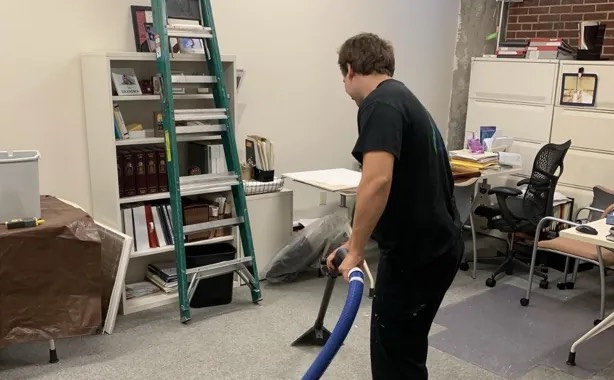
Professional Clean Water Extraction (Category 1) in Hampton, MD
In Hampton, the most common Category 1 leaks come from washing machine hoses, water heaters, refrigerator water lines and sink or toilet supply lines. Each can release a lot of water quickly.
A supply line break in Hampton can flood a room quickly. Local water extraction pros serve Hampton and nearby Timonium, Lutherville and Parkville, with help available around the clock.
Detailed Clean Water Extraction (Category 1) Offerings in Hampton, MD
Standing Water Pump Out
Water is pumped to a drain or outside, away from the house, so it does not find its way back in.
Wet Carpet Water Extraction
Carpet pad is checked after extraction. Pad soaked through is often replaced, while the carpet above is floated and dried.
Hard Surface Floor Drying
Laminate and vinyl plank are checked for water trapped beneath. Planks that cupped or lifted are noted for replacement.
Appliance Leak Water Cleanup
A washer, dishwasher, refrigerator line or water heater leak is shut off, and the clean water is extracted from the floor and under nearby cabinets.
Emergency Water Mitigation
Mitigation is everything done to stop the damage from growing: shutting off the water, extracting it, moving belongings and starting drying.
Signs You Need Emergency Clean Water Extraction (Category 1) in Hampton
Wet Carpets or Rugs
Carpets and rugs that are wet or squish underfoot are holding water in the pad below.
Standing Water in Basement
Standing water on a basement floor from a pipe or appliance needs pumping before it soaks walls and stored items.
High Indoor Humidity
A room that feels damp or fogs windows after a leak still has wet materials releasing moisture.
Damp Hardwood or Tile Floors
Hardwood or tile that feels damp, or grout that stays dark, has water soaking in or underneath.
How Clean Water Extraction (Category 1) Works in Hampton
Step 1: Emergency Water Inspection
The source and type of water are confirmed, and the wet area is mapped with moisture meters.
Step 2: Standing Water Pump Out
Deep water is pumped out, and floors are extracted once the water is shallow enough.
Step 3: Targeted Moisture Removal
Carpet, hard floors and wall bases are extracted and dried with directed airflow.
Step 4: Drying Verification and Documentation
Daily readings track drying, and a final log confirms the area is back to normal.
Common Causes of Water Damage in Hampton
Overflowing Sinks or Tubs
Sinks and tubs left running overflow with clean water onto floors and into rooms below.
Supply Line Breaks
Toilet, faucet and appliance supply lines split or loosen and release water under pressure.
Hydrostatic Pressure in Slabs
Groundwater pressure under a slab can push clean water up through cracks in the floor.
Water Heater Failure
Water heaters leak or burst as tanks corrode and fittings wear out.
Clean Water Extraction (Category 1) for Homes and Businesses in Hampton
Residential Clean Water Extraction (Category 1)
In two-story homes, a clean water leak upstairs often reaches the ceiling below. Both levels are extracted and dried.
Commercial Clean Water Extraction (Category 1)
Warehouses and large spaces may need extra pumps and dehumidifiers for open floors, sized to the area that got wet.
Professional Clean Water Extraction (Category 1) or DIY in Hampton?
If clean water has been sitting for more than a day, it may no longer be clean. Call the pros to check before deciding what can be dried.
Factors in Clean Water Extraction (Category 1) Pricing for Hampton, MD
After-hours calls, hardwood drying and areas under cabinets or appliances all add to the total for clean water extraction (category 1) in Hampton.
Access and Complexity
Crawl spaces, tight closets and areas under cabinets take more work to reach and dry.
Drying Time Duration
Drying usually takes a few days, and each extra day adds equipment time to the total.
Water Category and Source
Clean water costs less to handle than gray or black water, since more materials can be dried in place.
Does Insurance Cover Clean Water Extraction (Category 1)?
Photograph the water, the source and damaged belongings before cleanup, and keep receipts for emergency extraction and drying equipment for your adjuster.
The Value of Professional Clean Water Extraction (Category 1) in Hampton
Moisture Detection
Meters and thermal cameras find clean water hidden under floors and inside walls.
Clear Communication and Updates
You get plain updates on what is wet, what can be saved and how long drying should take.
Industry Drying Standards
Drying follows industry water damage standards, with readings taken at every visit.
Around-the-Clock Clean Water Extraction (Category 1) in Hampton
Night, weekend or holiday, the pros handle clean water leaks in Hampton. Call (410) 237-0394 to get extraction and drying started.
Call Now (410) 237-0394Local Clean Water Extraction (Category 1) Areas Including Hampton
Help with clean water extraction (category 1) reaches Timonium, Lutherville and Parkville, plus other communities around Hampton, for houses, apartments and commercial spaces.
- Clean Water Extraction (Category 1) in Timonium
- Clean Water Extraction (Category 1) in Lutherville
- Clean Water Extraction (Category 1) in Parkville
- Clean Water Extraction (Category 1) in Towson
- Clean Water Extraction (Category 1) in Carney
- Clean Water Extraction (Category 1) in Mays Chapel
- Clean Water Extraction (Category 1) in Cockeysville
- Clean Water Extraction (Category 1) in Overlea
Clean Water Extraction (Category 1) Information and FAQs
How long does clean water damage cleanup take?
Extraction takes hours, and drying usually takes a few days, depending on materials and how long the water sat.
What is the goal of water mitigation services?
To limit the damage by removing water and drying materials before they need to be replaced.
How is moisture detected after water extraction?
Moisture meters and thermal cameras check floors, walls and ceilings, comparing readings to dry, unaffected areas.
Are air movers and dehumidifiers always necessary?
For anything beyond a small surface spill, yes. The pros dry the water that soaked into carpet, walls and subfloors.
What is involved in hard surface floor drying?
Extracting water from tile, concrete or wood, checking grout and seams for water underneath and drying with air movers and dehumidifiers.