Glenmont, MD · Montgomery County
Commercial Water Removal in Glenmont, MDOffice Water Damage Cleanup & School Water Damage Restoration
Commercial Water Removal in Glenmont covers office water damage cleanup, warehouse flood water extraction and commercial carpet water extraction.
Answered 24/7
Local Commercial Water Removal Services for Glenmont Businesses
Commercial Water Removal in Glenmont finishes with dry readings across the property and a report for the owner. Repairs to ceilings, walls and flooring can then go ahead without trapping moisture.
Commercial properties in Glenmont and nearby Aspen Hill, White Oak and Fairland include offices, schools, restaurants, warehouses and apartment complexes. Help with commercial water removal covers extraction and large-scale drying for each.
Commercial Water Removal Services in Glenmont
Office Water Damage Cleanup
Office cleanup removes water from carpet tiles, cubicle areas and conference rooms, after desks, computers and paper files are moved to dry space.
School Water Damage Restoration
Wet ceiling tiles, carpet and drywall in classrooms are removed and dried so rooms can be used again safely.
Industrial Facility Drying Services
Large plants and shops are dried with high-capacity dehumidifiers and air movers placed around machinery and production areas.
Warehouse Flood Water Extraction
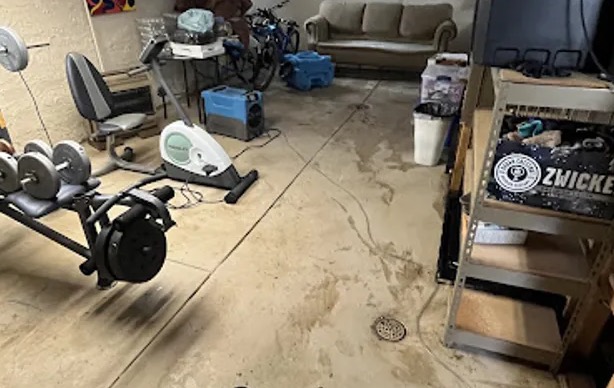
Water on a warehouse slab is pumped and squeegeed toward drains, then the rest is extracted with high-capacity units.
Commercial Carpet Water Extraction
Glue-down carpet is dried in place with directed airflow when extraction was fast and the water was clean.
Common Indicators for Emergency Commercial Water Removal
Malfunctioning Electrical Systems
Lights, outlets or equipment that fail near a leak may have water in them. Keep power off and stay clear.
Soggy Carpet Spots
Spots of soggy carpet or carpet tiles mean water is trapped against the slab underneath.
Increased Humidity Indoors
A building that feels humid even with HVAC running may have wet materials hidden somewhere.
Damp Drywall or Ceilings
Damp or stained drywall and ceiling tiles show water coming from a leak, roof or unit above.
How Commercial Water Removal Works in Glenmont
Step 1: Water Mitigation
The source is shut off, stock is moved and water is kept from reaching dry areas.
Step 2: Targeted Moisture Detection
Meters and thermal cameras check walls, ceilings and floors in nearby suites and floors below.
Step 3: Applied Structural Drying
Equipment is placed for each zone's materials and moved as readings drop each day.
Step 4: Completion and Handoff
The owner walks the space with the pros, and each zone is released for repairs or reopening.
Common Causes of Commercial Water Damage in Glenmont
Parking Garage Drainage Issues
Parking garage drains that clog can send water into elevator pits and nearby lower floors.
Fire Suppression System Testing
Fire suppression system testing or repairs can release water if valves or lines fail.
Foundation Cracks and Seepage
Foundation cracks let groundwater seep into lower floors, storage rooms and mechanical rooms.
Roof Leaks During Storms
Flat roofs and roof drains leak during storms, sending water through ceilings and onto floors.
Tailored Commercial Water Removal for Glenmont Commercial Clients
Residential Water Removal
In homes, water calls usually involve a kitchen, bathroom or basement, and families can often stay in dry rooms during drying.
Commercial Water Removal
In commercial buildings, water often spreads across large floors and several suites. Work is planned with the owner to protect stock and reopen in stages.
Commercial Water Removal vs. DIY: When to Call the Pros
You can stop the source, take photos and close off the wet area. Removing water from slabs, carpet tiles and walls across a building needs commercial-scale equipment and drying.
Commercial Water Removal Cost in Glenmont, MD
In Glenmont, fast water removal usually lowers the total by shortening drying time and reducing how much drywall, carpet and stock must be replaced.
Material Type
Carpet tiles, drywall, ceiling tiles and wood each need different removal or drying methods.
Content Handling
Moving, protecting and listing stock, furniture and records adds labor to the job.
Water Category
Clean water costs less to handle than gray or black water, which needs cleaning and more removal.
Does Insurance Cover Commercial Water Removal?
Photograph damaged stock, equipment, furniture and building areas before cleanup starts, and keep receipts for emergency water removal and after-hours work.
Selecting Local Pros for Commercial Water Removal in Glenmont, Maryland
Prevention of Mold
Fast drying, and treatment of materials that stayed wet, limits microbial growth in closed spaces.
Industry Methods
Water removal and drying follow industry water damage standards, with readings taken at every visit.
Commercial Equipment
High-capacity extractors, pumps and large dehumidifiers are sized for big spaces and high ceilings.
24/7 Commercial Water Removal Response for Glenmont
Every hour a building is closed or flooded adds cost. Call (410) 237-0394 for commercial water removal in Glenmont at any hour, including weekends and holidays.
Call Now (410) 237-0394Commercial Water Removal Near Glenmont: Areas Served
Help with commercial water removal reaches Aspen Hill, White Oak and Fairland, plus other communities around Glenmont, for single storefronts and large facilities.
- Commercial Water Removal in Aspen Hill
- Commercial Water Removal in White Oak
- Commercial Water Removal in Fairland
- Commercial Water Removal in Silver Spring
- Commercial Water Removal in Olney
- Commercial Water Removal in Rockville
- Commercial Water Removal in Bethesda
- Commercial Water Removal in Takoma Park
Commercial Water Removal FAQs
Is odor a concern after retail store water removal?
It can be. Removing wet materials and drying fully usually prevents odors, and any remaining smell is traced and treated.
What are the risks of delaying industrial water removal?
Longer shutdowns, damaged equipment and stock, corrosion and a higher chance of microbial growth.
What is the first step in commercial water removal?
Making the area safe and stopping the source, then protecting stock, records and equipment before extraction begins.
What records are provided for insurance after commercial water extraction?
Photos, moisture readings, lists of removed materials and contents, and daily drying logs for each area.
What is the difference between extraction and drying in commercial property drying?
Extraction removes liquid water quickly. Drying removes the moisture left in walls, slabs and ceilings over several days.