North Laurel, MD · Howard County
Commercial Water Removal in North Laurel, MDWarehouse Flood Water Extraction & School Water Damage Restoration
Commercial Water Removal in North Laurel covers office water damage cleanup, warehouse flood water extraction and commercial carpet water extraction.
Answered 24/7
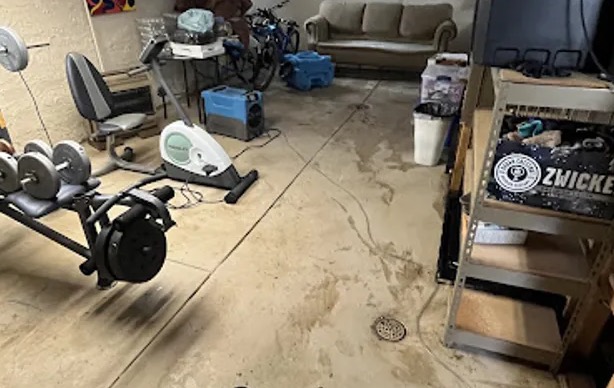
Commercial Water Removal for North Laurel Commercial Properties
Commercial Water Removal in North Laurel finishes with dry readings across the property and a report for the owner. Repairs to ceilings, walls and flooring can then go ahead without trapping moisture.
Property managers in North Laurel can call (410) 237-0394 day or night when water floods a building. Service also covers Laurel, Maryland City and Columbia, including after-hours and weekend work.
Commercial Water Removal Services in North Laurel
Warehouse Flood Water Extraction
Pallets and racking at floor level are moved or raised, since cardboard and wood pallets soak up water from the slab quickly.
School Water Damage Restoration
Wet ceiling tiles, carpet and drywall in classrooms are removed and dried so rooms can be used again safely.
Apartment Complex Flood Cleanup
Units below the source are checked for ceiling and wall damage, and every affected unit gets its own readings and photos.
Retail Store Water Removal
Display fixtures and shelving are moved so water trapped underneath can be reached and dried.
Industrial Facility Drying Services
Drying in industrial spaces works around equipment, pits and high ceilings, with readings taken across the floor each day.
Signs Your North Laurel Business Needs Water Removal
Rusted Metal Fixtures
Rust on metal door frames, shelving or fixtures near the floor points to repeated moisture.
Swollen Cabinets or Furniture
Break room cabinets, desks or furniture that swell at the base have been standing in water.
Discolored or Peeling Paint
Paint that peels or discolors on walls and ceilings usually has moisture behind it.
Buckling Hardwood Floors
Wood floors in lobbies or offices that buckle or cup have water underneath them.
How Commercial Water Removal Works in North Laurel
Step 1: Site Assessment
Safety is checked, the source is stopped and the wet zones are mapped across the building.
Step 2: Bulk Water Removal
Pumps and high-capacity extractors remove standing water from slabs, carpet tiles and stockrooms.
Step 3: Structural Drying Process
Large dehumidifiers and air movers dry walls, slabs and ceiling cavities, with readings daily.
Step 4: Final Verification Testing
Readings across every zone confirm the space is dry before equipment is removed and areas reopen.
What Causes Water Damage in North Laurel Businesses?
Fire Suppression System Testing
Fire suppression system testing or repairs can release water if valves or lines fail.
Sewer Line Backups
A blocked sewer line can back up through restrooms and floor drains on the lowest level.
Burst Supply Lines
Supply lines and risers in commercial buildings can burst and flood several floors at once.
Sprinkler System Discharge
Sprinkler heads and lines can discharge or leak, soaking offices, classrooms or stock quickly.
Commercial Water Removal for North Laurel Offices, Retail, and Warehouses
Residential Water Removal
Residential equipment is portable and sized to fit through doors and up stairs into individual rooms of a house.
Commercial Water Removal
Commercial jobs may use truck-mounted extractors, large pumps and high-capacity dehumidifiers to dry warehouses, gyms and office floors.
Why DIY Water Removal Fails for North Laurel Businesses
Keep staff, students and tenants out of standing water near electrical panels, outlets or machinery. Shut off power only if it is safe to reach, then call (410) 237-0394.
Commercial Water Removal Cost in North Laurel, MD
The cost of commercial water removal in North Laurel depends on the size of the wet area, the type of water and how many suites, floors or units were affected.
Structural Drying
Wall cavities, ceiling plenums and slabs need structural drying, which takes more equipment.
Affected Square Footage
Large floors, multiple suites or several stories need more equipment, more labor and more time.
Material Type
Carpet tiles, drywall, ceiling tiles and wood each need different removal or drying methods.
Does Insurance Cover Commercial Water Removal?
Photos, moisture readings, contents lists and drying logs from local industrial water extraction specialists help support a commercial water damage claim in North Laurel.
Advantages of Hiring Local Pros for Commercial Water Removal in North Laurel
Contents Handling
Stock, furniture and records are moved, protected and listed before and during the work.
Industry Methods
Water removal and drying follow industry water damage standards, with readings taken at every visit.
Commercial Equipment
High-capacity extractors, pumps and large dehumidifiers are sized for big spaces and high ceilings.
Emergency Commercial Water Removal in North Laurel
The faster water is removed, the sooner your building reopens. Call (410) 237-0394 for commercial water removal in North Laurel as soon as you find the water.
Call Now (410) 237-0394Local Commercial Water Removal Around North Laurel
Nearby areas served for commercial water removal include Laurel, Maryland City and Columbia, with the same equipment and steps used in North Laurel.
Commercial Water Removal FAQ for North Laurel, MD
Does commercial carpet water extraction always save the carpet?
Not always. Clean water extracted quickly often lets carpet stay, but tiles that release from the slab are replaced.
How long does warehouse water cleanup and drying take?
Extraction often takes a day. Drying a large slab and walls usually takes several more days, depending on the space.
What are the risks of delaying industrial water removal?
Longer shutdowns, damaged equipment and stock, corrosion and a higher chance of microbial growth.
Can contents be saved during emergency water removal for businesses?
Some can. Items are moved quickly, separated by condition and listed for the owner and insurer.
What is the first step in commercial water removal?
Making the area safe and stopping the source, then protecting stock, records and equipment before extraction begins.