Taneytown, MD · Carroll County
Commercial Water Removal in Taneytown, MDOffice Water Damage Cleanup & Warehouse Flood Water Extraction
Commercial Water Removal in Taneytown covers office water damage cleanup, warehouse flood water extraction and commercial carpet water extraction.
Answered 24/7
Commercial Water Removal for Taneytown Commercial Properties
Industrial facilities in Taneytown add machinery, pits and sometimes oils or chemicals in the water. Safety comes first, with power and equipment made safe before extraction.
In Taneytown, commercial water removal calls often follow roof leaks, burst risers and sprinkler problems. Local water damage restoration experts serve Taneytown, Westminster, Manchester and Hampstead, with work planned to limit downtime.
Commercial Water Damage Services in Taneytown
Office Water Damage Cleanup
Office cleanup removes water from carpet tiles, cubicle areas and conference rooms, after desks, computers and paper files are moved to dry space.
Warehouse Flood Water Extraction
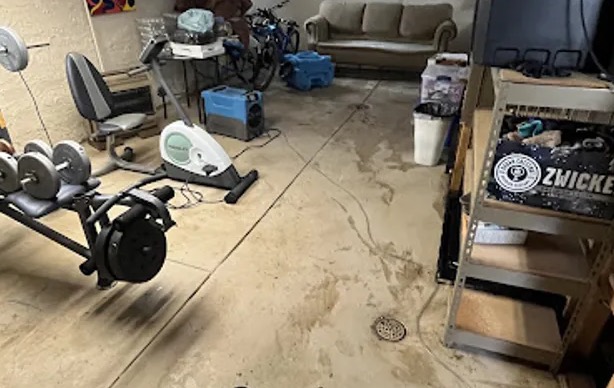
Water on a warehouse slab is pumped and squeegeed toward drains, then the rest is extracted with high-capacity units.
School Water Damage Restoration
School floods affect classrooms, gyms, hallways and offices. Water is extracted and drying is planned around the school calendar where possible.
Apartment Complex Flood Cleanup
Common areas such as laundry rooms, hallways and leasing offices are extracted and dried along with the units.
Retail Store Water Removal
Store floors, fitting rooms and stockrooms are extracted, and wet merchandise is separated and listed for the owner.
Signs Your Taneytown Business Needs Water Removal
Swollen Cabinets or Furniture
Break room cabinets, desks or furniture that swell at the base have been standing in water.
Soggy Carpet Spots
Spots of soggy carpet or carpet tiles mean water is trapped against the slab underneath.
Rusted Metal Fixtures
Rust on metal door frames, shelving or fixtures near the floor points to repeated moisture.
Wet Insulation in Walls
Wet insulation found behind walls or above ceilings points to a leak that needs tracing and drying.
How Commercial Water Removal Works in Taneytown
Step 1: Water Mitigation
The source is shut off, stock is moved and water is kept from reaching dry areas.
Step 2: Targeted Moisture Detection
Meters and thermal cameras check walls, ceilings and floors in nearby suites and floors below.
Step 3: Applied Structural Drying
Equipment is placed for each zone's materials and moved as readings drop each day.
Step 4: Completion and Handoff
The owner walks the space with the pros, and each zone is released for repairs or reopening.
What Causes Water Damage in Taneytown Businesses?
Foundation Cracks and Seepage
Foundation cracks let groundwater seep into lower floors, storage rooms and mechanical rooms.
Appliance Malfunctions
Dishwashers, beverage machines, water heaters and coolers can fail and flood kitchens and break rooms.
Window and Door Seal Failure
Worn seals on storefront glass, windows and doors let rain into lobbies and sales floors.
Roof Leaks During Storms
Flat roofs and roof drains leak during storms, sending water through ceilings and onto floors.
Commercial Water Removal for Taneytown Offices, Retail, and Warehouses
Residential Water Removal
Homeowners deal with one household and one set of belongings, so work moves room by room in a simple order.
Commercial Water Removal
Apartment complexes and office parks may have many units, tenants and insurers. Each unit or suite is documented separately so every claim has its own record.
The Limits of DIY for Commercial Water Removal in Taneytown
Mops and shop vacs handle small spills but cannot keep up with a flooded floor. They also leave water in carpet backing, drywall and ceiling tiles.
Commercial Water Removal Pricing in Taneytown
The pros walk the property before pricing commercial water removal in Taneytown, then explain the scope and how the work will be scheduled around operations.
Content Handling
Moving, protecting and listing stock, furniture and records adds labor to the job.
Structural Drying
Wall cavities, ceiling plenums and slabs need structural drying, which takes more equipment.
Water Category
Clean water costs less to handle than gray or black water, which needs cleaning and more removal.
Does Insurance Cover Commercial Water Removal?
Photograph damaged stock, equipment, furniture and building areas before cleanup starts, and keep receipts for emergency water removal and after-hours work.
Why Choose Local Pros for Commercial Water Removal in Taneytown
Prevention of Mold
Fast drying, and treatment of materials that stayed wet, limits microbial growth in closed spaces.
Organized Work Plan
Work is planned zone by zone with the owner, so priorities are clear and downtime is limited.
24/7 Emergency Response
Help is available day or night, because commercial floods often happen when buildings are empty.
24/7 Commercial Water Removal Response for Taneytown
Water flooding your building in Taneytown? Shut off the source, move stock and electronics off the floor and call (410) 237-0394. Help is available 24/7.
Call Now (410) 237-0394Local Commercial Water Removal Around Taneytown
Besides Taneytown, local water damage restoration experts handle commercial water removal and large-scale drying in nearby Westminster, Manchester and Hampstead.
- Commercial Water Removal in Westminster
- Commercial Water Removal in Manchester
- Commercial Water Removal in Hampstead
- Commercial Water Removal in Mount Airy
- Commercial Water Removal in Eldersburg
- Commercial Water Removal in Sykesville
- Commercial Water Removal in Frederick
- Commercial Water Removal in Reisterstown
- Emergency Damage Restoration in 21787
- Storm Damage Restoration in 21787
- Water Damage Restoration in 21787
- Water Extraction Service in 21787
- Water Leak Detection in 21787
- Water Removal Service in 21787
Commercial Water Removal FAQ for Taneytown, MD
How is drying progress monitored in industrial flood cleanup?
Readings are taken across the floor and walls every day, and equipment is moved as each zone dries.
What is involved in restaurant kitchen water cleanup?
Extracting water, cleaning and disinfecting food areas, reaching water under equipment and drying the kitchen for inspection.
What equipment is used for industrial facility drying services?
High-capacity dehumidifiers, large air movers, pumps and moisture meters, sized for open floors and high ceilings.
What records are provided for insurance after commercial water extraction?
Photos, moisture readings, lists of removed materials and contents, and daily drying logs for each area.
What is the first step in commercial water removal?
Making the area safe and stopping the source, then protecting stock, records and equipment before extraction begins.