Camp Springs, MD · Prince George's County
Desiccant Dehumidification in Camp Springs, MDMold Prevention Drying & Construction Drying Services
Get desiccant dehumidification in Camp Springs for emergency dehumidification, flood drying services and firefighting water drying.
Answered 24/7
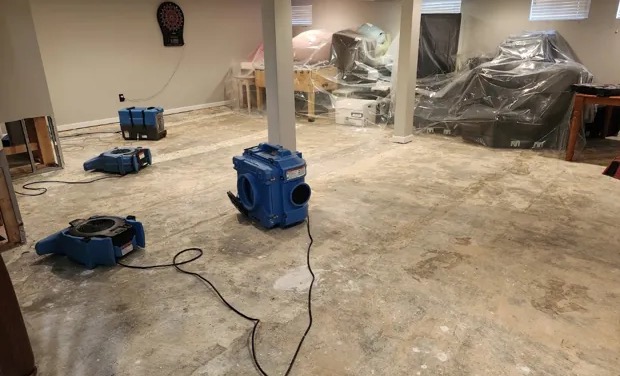
Expert Desiccant Dehumidification for Camp Springs Properties
After water damage in Camp Springs, dry air pulls moisture out of wet materials. The drier the air, the faster walls, floors and framing give up their water.
Property owners in Camp Springs can call (410) 237-0394 day or night when water damage needs drying. Service also covers Oxon Hill, Suitland and Glassmanor, with equipment sized to the space.
Desiccant Dehumidification Methods Used in Camp Springs
Mold Prevention Drying
Drying continues until readings on the remaining framing are normal, before walls are closed up again.
Construction Drying Services
Readings on slabs and framing show when materials are dry enough for the next stage of work.
Flood Drying Services
Floodwater is treated as contaminated, so soaked porous materials are removed and surfaces cleaned before drying starts.
Water Damage Dehumidification
Dehumidification runs alongside air movers, and readings are taken daily until every wet material is back to normal.
Emergency Dehumidification
Help is available any hour to set up drying equipment after a leak or flood, so moisture does not sit overnight in materials.
Indicators for Desiccant Dehumidification in Your Camp Springs Home
Active Mold Spots
Dark spots appearing on walls or ceilings mean materials stayed damp long enough for mold.
Warped Wood Floors or Trim
Wood floors or trim that cup or warp after a leak are still taking on moisture.
Cold, Damp Feeling in Air
Air that feels cold and damp, especially in lower levels, can be too cool for standard dehumidifiers to work well.
Spongy Drywall or Soft Spots
Drywall that feels soft or spongy has absorbed water and may need removal if it does not dry.
How Desiccant Dehumidification Works in Camp Springs
Step 1: Emergency Moisture Evaluation
The wet area is mapped and the right size and type of dehumidifier is chosen.
Step 2: High-Capacity Setup
Large desiccant units are placed for big spaces or cool areas where standard units struggle.
Step 3: Active Drying Cycle
Dry air is moved across wet materials, with daily readings to track progress.
Step 4: Completion and Insurance Records
Final readings and daily drying logs are compiled into a record for your insurer.
Sources of Moisture Requiring Desiccant Dehumidification in Camp Springs
Fire Suppression System Activation
Fire sprinklers and firefighting water soak large areas of a building at once.
HVAC System Condensation Issues
Clogged AC drain lines overflow into attics, closets and the ceilings below them.
Foundation Cracks and Seepage
Foundation cracks let groundwater seep into lower levels, keeping walls and floors damp.
Roof Leaks From Damaged Shingles
Roof leaks from damaged shingles soak attic insulation, roof decking and the ceilings below.
Desiccant Dehumidification for Homes & Businesses in Camp Springs
Residential Desiccant Dehumidification
Homeowners with damp basements may need desiccant drying after a flood because cool concrete and air slow standard units.
Commercial Desiccant Dehumidification
Warehouses with large slabs and stock need humidity kept low during drying to protect inventory and dry the concrete.
Hiring Local Pros for Desiccant Dehumidification in Camp Springs
Do not run drying equipment on materials soaked by sewage or floodwater before they are cleaned or removed, since that spreads contamination through the house.
Desiccant Dehumidification Cost in Camp Springs, MD
Repairs after drying are a separate cost. In Camp Springs, fully dried materials often mean fewer repairs are needed.
Number of Dehumidifiers
The number and size of dehumidifiers needed for the space is a major part of the cost.
Affected Area Size
Larger affected areas need more drying units and more air movers running at once.
Access and Complexity
Crawl spaces, tight areas and large buildings take more effort to set up and monitor.
Does Insurance Cover Desiccant Dehumidification?
Insurers often want proof that drying was needed and that it worked. Starting and final moisture readings from the job show both.
Benefits of Local Pros for Desiccant Dehumidification in Camp Springs
24/7 Emergency Response
Help is available day or night to set up drying equipment after a leak or flood.
Industry Drying Standards
Drying follows industry water damage standards, with readings taken at every visit.
Structural Drying
Walls, floors and framing are dried, not just the air in the room.
Emergency Desiccant Dehumidification Response for Camp Springs
Night, weekend or holiday, local moisture removal pros set up drying equipment in Camp Springs. Call (410) 237-0394 any time to get drying started.
Call Now (410) 237-0394Desiccant Dehumidification Service Area Including Camp Springs
Each place listed below has its own page with local details.
- Desiccant Dehumidification in Oxon Hill
- Desiccant Dehumidification in Suitland
- Desiccant Dehumidification in Glassmanor
- Desiccant Dehumidification in Clinton
- Desiccant Dehumidification in Forestville
- Desiccant Dehumidification in Taneytown
- Desiccant Dehumidification in Potomac
- Desiccant Dehumidification in Bethesda
Desiccant Dehumidification FAQs
How does a desiccant dehumidifier work differently?
It passes air over a material that absorbs moisture instead of cooling the air, so it keeps working in cool conditions.
What is involved in basement dehumidification after a flood?
Removing water, placing dehumidifiers and air movers and running them until concrete and framing read dry.
How long does crawl space drying typically take?
Often several days, depending on how wet the framing is and how cool and damp the space stays.
What is desiccant dehumidification used for?
Drying spaces after water damage where standard dehumidifiers struggle, such as cool crawl spaces, large buildings and dense materials.
How is emergency dehumidification different from standard service?
It starts right after a leak or flood, any time of day, so materials do not keep soaking up moisture.