College Park, MD · Prince George's County
Desiccant Dehumidification in College Park, MDEmergency Dehumidification & Firefighting Water Drying
Desiccant Dehumidification in College Park runs from emergency dehumidification and flood drying services to firefighting water drying.
Answered 24/7
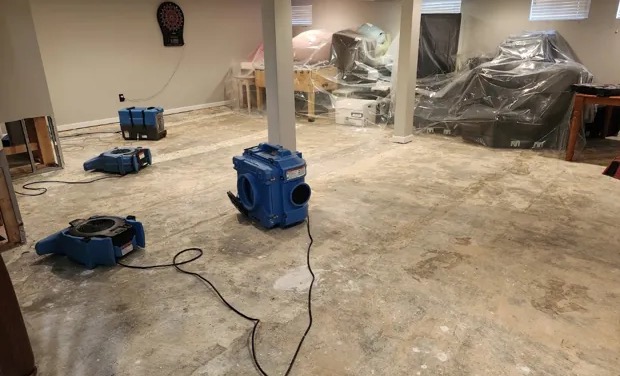
Desiccant Dehumidification Solutions in College Park, Maryland
After water damage in College Park, dry air pulls moisture out of wet materials. The drier the air, the faster walls, floors and framing give up their water.
In College Park, Hyattsville, East Riverdale and Bladensburg, builders sometimes need slabs and drywall dried before flooring goes in. The pros lower humidity on the job site to speed that up.
Desiccant Dehumidification Methods Used in College Park
Emergency Dehumidification
Emergency dehumidification starts as soon as standing water is removed, which limits swelling, warping and odor.
Firefighting Water Drying
After a fire, water used by firefighters soaks walls, floors and ceilings. Desiccant drying helps dry those materials once debris is cleared.
Basement Dehumidification
Basement concrete and framing release water slowly. Desiccant drying keeps humidity low so they can dry in a reasonable time.
Flood Drying Services
Floodwater is treated as contaminated, so soaked porous materials are removed and surfaces cleaned before drying starts.
Construction Drying Services
Construction drying speeds up schedules by lowering humidity so slabs and drywall reach the moisture levels flooring and paint need.
Symptoms Requiring Desiccant Dehumidification in College Park
High Humidity Readings on Meter
A hygrometer that keeps reading high humidity days after a leak shows the space is not drying.
Efflorescence on Masonry Surfaces
White, powdery deposits on masonry show water moving through concrete or block.
Wet Insulation in Attics or Walls
Insulation that is wet in attics or walls holds water against framing and slows drying.
Active Mold Spots
Dark spots appearing on walls or ceilings mean materials stayed damp long enough for mold.
How Desiccant Dehumidification Works in College Park
Step 1: Emergency Moisture Evaluation
The wet area is mapped and the right size and type of dehumidifier is chosen.
Step 2: High-Capacity Setup
Large desiccant units are placed for big spaces or cool areas where standard units struggle.
Step 3: Active Drying Cycle
Dry air is moved across wet materials, with daily readings to track progress.
Step 4: Completion and Insurance Records
Final readings and daily drying logs are compiled into a record for your insurer.
Common Causes for Desiccant Dehumidification in College Park
Roof Leaks From Damaged Shingles
Roof leaks from damaged shingles soak attic insulation, roof decking and the ceilings below.
Poor Ventilation in Enclosed Areas
Closed, poorly ventilated spaces trap moisture and dry very slowly after water damage.
Groundwater Rise After Heavy Rains
Groundwater rising after long rains keeps crawl spaces and lower levels damp.
HVAC System Condensation Issues
Clogged AC drain lines overflow into attics, closets and the ceilings below them.
Desiccant Dehumidification for All Property Types in College Park
Residential Desiccant Dehumidification
Homes with wet attics after roof leaks may need attic drying equipment placed carefully on boards for safe footing.
Commercial Desiccant Dehumidification
Schools, offices and medical buildings may schedule equipment setup and removal after hours to limit disruption to staff and visitors.
Professional Desiccant Dehumidification or DIY in College Park?
Do not run drying equipment on materials soaked by sewage or floodwater before they are cleaned or removed, since that spreads contamination through the house.
Factors in Desiccant Dehumidification Pricing for College Park
Repairs after drying are a separate cost. In College Park, fully dried materials often mean fewer repairs are needed.
Affected Area Size
Larger affected areas need more drying units and more air movers running at once.
Moisture Saturation Level
Materials that are fully soaked take longer to dry than lightly damp ones.
Number of Dehumidifiers
The number and size of dehumidifiers needed for the space is a major part of the cost.
Does Insurance Cover Desiccant Dehumidification?
Daily humidity and moisture logs from local water damage restoration pros help support an insurance claim for drying after water damage in College Park.
Benefits of Local Pros for Desiccant Dehumidification in College Park
Targeted Drying
Equipment is placed for the specific materials and spaces that are wet.
24/7 Emergency Response
Help is available day or night to set up drying equipment after a leak or flood.
Desiccant Equipment
Desiccant units are used where they fit, such as cool spaces, crawl spaces and large buildings.
Emergency Desiccant Dehumidification Response for College Park
Night, weekend or holiday, local water damage restoration pros set up drying equipment in College Park. Call (410) 237-0394 any time to get drying started.
Call Now (410) 237-0394Desiccant Dehumidification Coverage for College Park and Beyond
Need desiccant dehumidification outside College Park? Service also covers Hyattsville, East Riverdale and Bladensburg, including emergency drying after hours.
- Desiccant Dehumidification in Hyattsville
- Desiccant Dehumidification in East Riverdale
- Desiccant Dehumidification in Bladensburg
- Desiccant Dehumidification in Chillum
- Desiccant Dehumidification in New Carrollton
- Desiccant Dehumidification in Landover
- Desiccant Dehumidification in Mount Rainier
- Desiccant Dehumidification in Seabrook
- Emergency Damage Restoration in 20740
- Storm Damage Restoration in 20740
- Water Damage Restoration in 20740
- Water Extraction Service in 20740
- Water Leak Detection in 20740
- Water Removal Service in 20740
- Emergency Damage Restoration in 20741
- Storm Damage Restoration in 20741
Answers to Top Desiccant Dehumidification Queries
How long does crawl space drying typically take?
Often several days, depending on how wet the framing is and how cool and damp the space stays.
What is involved in basement dehumidification after a flood?
Removing water, placing dehumidifiers and air movers and running them until concrete and framing read dry.
Is desiccant dehumidifier rental available for DIY projects?
Units can be rented, but they need correct setup, and readings are needed to know when materials are dry.
How are moisture levels monitored during drying?
With hygrometers for air and moisture meters for drywall, wood and concrete, checked every day.
What does water damage dehumidification include?
Taking readings, placing dehumidifiers and air movers, logging progress daily and confirming materials are dry.