Fallston, MD · Harford County
Desiccant Dehumidification in Fallston, MDFlood Drying Services & Construction Drying Services
After a flood, Desiccant Dehumidification in Fallston means flood drying services, emergency dehumidification and water damage dehumidification.
Answered 24/7
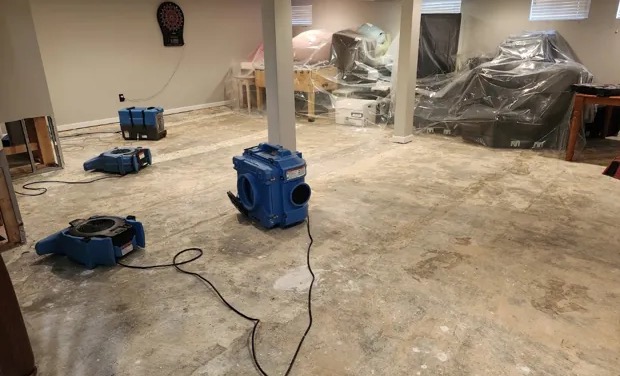
Professional Desiccant Dehumidification in Fallston, MD
After water damage in Fallston, dry air pulls moisture out of wet materials. The drier the air, the faster walls, floors and framing give up their water.
In Fallston, Bel Air North, Bel Air South and Joppatowne, builders sometimes need slabs and drywall dried before flooring goes in. The pros lower humidity on the job site to speed that up.
Specialized Desiccant Dehumidification in Fallston, MD
Flood Drying Services
After floodwater is pumped out, desiccant dehumidifiers can bring the air to very low humidity, which pulls moisture out of walls, floors and framing faster.
Construction Drying Services
Construction drying speeds up schedules by lowering humidity so slabs and drywall reach the moisture levels flooring and paint need.
Water Damage Dehumidification
After a leak or flood, dehumidifiers remove moisture from the air so wet drywall, wood and carpet can dry out.
Basement Dehumidification
Cool basements are where desiccant units often help most, since they keep removing moisture when the air temperature is low.
Emergency Dehumidification
Emergency dehumidification starts as soon as standing water is removed, which limits swelling, warping and odor.
Red Flags for Desiccant Dehumidification in Fallston Properties
High Humidity Readings on Meter
A hygrometer that keeps reading high humidity days after a leak shows the space is not drying.
Efflorescence on Masonry Surfaces
White, powdery deposits on masonry show water moving through concrete or block.
Warped Wood Floors or Trim
Wood floors or trim that cup or warp after a leak are still taking on moisture.
Active Mold Spots
Dark spots appearing on walls or ceilings mean materials stayed damp long enough for mold.
How Desiccant Dehumidification Works in Fallston
Step 1: Initial Damage Inspection
Humidity and moisture readings are taken across the affected area to set the drying plan.
Step 2: Deployment of Drying Equipment
Desiccant or standard dehumidifiers and air movers are placed based on the space and readings.
Step 3: Monitored Drying Cycle
Readings are logged daily, and equipment is moved or adjusted as each material dries.
Step 4: Completion and Clearance
Final readings confirm materials are dry, and the space is cleared for repairs.
Common Causes for Desiccant Dehumidification in Fallston
Groundwater Rise After Heavy Rains
Groundwater rising after long rains keeps crawl spaces and lower levels damp.
Foundation Cracks and Seepage
Foundation cracks let groundwater seep into lower levels, keeping walls and floors damp.
Severe Weather and Storm Flooding
Storms and flooding soak lower levels and leave large volumes of wet material.
Roof Leaks From Damaged Shingles
Roof leaks from damaged shingles soak attic insulation, roof decking and the ceilings below.
Residential and Commercial Desiccant Dehumidification in Fallston
Residential Desiccant Dehumidification
Families can usually stay home during drying, though equipment makes steady noise and some areas may be closed off.
Commercial Desiccant Dehumidification
Builders and contractors use desiccant drying to get slabs and drywall ready for flooring and paint on schedule.
Desiccant Dehumidification vs. DIY: When to Call the Pros
Opening windows only helps on dry, breezy days. Commercial dehumidifiers keep drying no matter what the weather outside is doing, which makes them more reliable.
Desiccant Dehumidification Cost in Fallston, MD
The pros take readings before pricing desiccant dehumidification in Fallston, then explain how many units are needed and how long drying should take.
Moisture Saturation Level
Materials that are fully soaked take longer to dry than lightly damp ones.
Affected Area Size
Larger affected areas need more drying units and more air movers running at once.
Duration of Equipment Use
Drying usually takes several days, and each day of equipment use adds to the total.
Does Insurance Cover Desiccant Dehumidification?
Coverage for desiccant dehumidification depends on the cause of the water and your policy. The pros document the drying, and your insurer decides what is covered.
Why Choose Local Pros for Desiccant Dehumidification in Fallston
24/7 Emergency Response
Help is available day or night to set up drying equipment after a leak or flood.
Desiccant Equipment
Desiccant units are used where they fit, such as cool spaces, crawl spaces and large buildings.
Structural Drying
Walls, floors and framing are dried, not just the air in the room.
Round-the-Clock Desiccant Dehumidification in Fallston, MD
Wet materials keep soaking up moisture from damp air until drying starts. Call (410) 237-0394 for desiccant dehumidification in Fallston at any hour.
Call Now (410) 237-0394Desiccant Dehumidification Coverage for Fallston and Beyond
Need desiccant dehumidification outside Fallston? Service also covers Bel Air North, Bel Air South and Joppatowne, including emergency drying after hours.
- Desiccant Dehumidification in Bel Air North
- Desiccant Dehumidification in Bel Air South
- Desiccant Dehumidification in Joppatowne
- Desiccant Dehumidification in Perry Hall
- Desiccant Dehumidification in White Marsh
- Desiccant Dehumidification in Carney
- Desiccant Dehumidification in Hampton
- Desiccant Dehumidification in Parkville
- Emergency Damage Restoration in 21047
- Storm Damage Restoration in 21047
- Water Damage Restoration in 21047
- Water Extraction Service in 21047
- Water Leak Detection in 21047
- Water Removal Service in 21047
Frequently Asked Questions About Desiccant Dehumidification
Can desiccant dehumidification help prevent mold?
Yes. Lowering humidity and drying materials quickly is one of the main ways to keep mold from starting.
Why use desiccant drying after a fire?
Firefighting water soaks large areas, and high-capacity drying helps remove that moisture once debris is cleared.
How does a desiccant dehumidifier work differently?
It passes air over a material that absorbs moisture instead of cooling the air, so it keeps working in cool conditions.
What is desiccant dehumidification used for?
Drying spaces after water damage where standard dehumidifiers struggle, such as cool crawl spaces, large buildings and dense materials.
Can desiccant dehumidification dry behind walls?
Dry air helps, especially when directed into wall cavities through small openings, with readings to confirm results.