Gaithersburg, MD · Montgomery County
Desiccant Dehumidification in Gaithersburg, MDEmergency Dehumidification & Crawl Space Drying
Get desiccant dehumidification in Gaithersburg for emergency dehumidification, flood drying services and firefighting water drying.
Answered 24/7
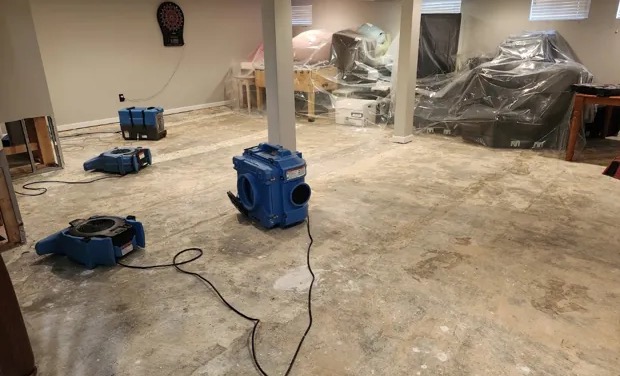
Desiccant Dehumidification: Moisture Control in Gaithersburg
After water damage in Gaithersburg, dry air pulls moisture out of wet materials. The drier the air, the faster walls, floors and framing give up their water.
Property owners in Gaithersburg can call (410) 237-0394 day or night when water damage needs drying. Service also covers Montgomery Village, Rockville and Olney, with equipment sized to the space.
Specialized Desiccant Dehumidification in Gaithersburg, MD
Emergency Dehumidification
Emergency dehumidification starts as soon as standing water is removed, which limits swelling, warping and odor.
Crawl Space Drying
Crawl spaces are cool and damp, which suits desiccant units. Dry air is pushed in to pull moisture from the joists and subfloor.
Firefighting Water Drying
Drying after a fire is done once wet debris is removed, so the structure dries cleanly before rebuilding.
Basement Dehumidification
Basement concrete and framing release water slowly. Desiccant drying keeps humidity low so they can dry in a reasonable time.
Construction Drying Services
Readings on slabs and framing show when materials are dry enough for the next stage of work.
When to Consider Desiccant Dehumidification in Gaithersburg
Recent Water Damage Event
Any recent leak or flood that soaked drywall, flooring or framing needs drying beyond a household unit.
Wet Insulation in Attics or Walls
Insulation that is wet in attics or walls holds water against framing and slows drying.
Efflorescence on Masonry Surfaces
White, powdery deposits on masonry show water moving through concrete or block.
Active Mold Spots
Dark spots appearing on walls or ceilings mean materials stayed damp long enough for mold.
How Desiccant Dehumidification Works in Gaithersburg
Step 1: Initial Damage Inspection
Humidity and moisture readings are taken across the affected area to set the drying plan.
Step 2: Deployment of Drying Equipment
Desiccant or standard dehumidifiers and air movers are placed based on the space and readings.
Step 3: Monitored Drying Cycle
Readings are logged daily, and equipment is moved or adjusted as each material dries.
Step 4: Completion and Clearance
Final readings confirm materials are dry, and the space is cleared for repairs.
Origins of Dampness and Desiccant Dehumidification in Gaithersburg Buildings
Poor Ventilation in Enclosed Areas
Closed, poorly ventilated spaces trap moisture and dry very slowly after water damage.
Severe Weather and Storm Flooding
Storms and flooding soak lower levels and leave large volumes of wet material.
Roof Leaks From Damaged Shingles
Roof leaks from damaged shingles soak attic insulation, roof decking and the ceilings below.
Appliance Malfunctions and Overflows
Washers, dishwashers and water heaters that leak leave wet floors, cabinets and walls.
Desiccant Dehumidification for Homes & Businesses in Gaithersburg
Residential Desiccant Dehumidification
In homes, desiccant drying is most often used in crawl spaces and cool lower levels after leaks or floods. Standard units are used in warm rooms where they work well.
Commercial Desiccant Dehumidification
In commercial buildings, high-capacity desiccant units can dry large floors and high-ceiling spaces after sprinkler leaks or floods, with drying planned around business hours.
Hiring Local Pros for Desiccant Dehumidification in Gaithersburg
Opening windows only helps on dry, breezy days. Commercial dehumidifiers keep drying no matter what the weather outside is doing, which makes them more reliable.
Investing in Desiccant Dehumidification for Gaithersburg Properties
The cost of desiccant dehumidification in Gaithersburg depends on the size of the wet area, how wet the materials are and how long the equipment needs to run.
Moisture Saturation Level
Materials that are fully soaked take longer to dry than lightly damp ones.
Type of Water Damage
Floodwater and sewage need cleaning and removal of materials before drying, which adds cost.
Access and Complexity
Crawl spaces, tight areas and large buildings take more effort to set up and monitor.
Does Insurance Cover Desiccant Dehumidification?
Insurers often want proof that drying was needed and that it worked. Starting and final moisture readings from the job show both.
Why Choose Local Pros for Desiccant Dehumidification in Gaithersburg
Desiccant Equipment
Desiccant units are used where they fit, such as cool spaces, crawl spaces and large buildings.
Detailed Moisture Documentation
Daily humidity and moisture readings are logged to show progress and support insurance claims.
Targeted Drying
Equipment is placed for the specific materials and spaces that are wet.
Round-the-Clock Desiccant Dehumidification in Gaithersburg, MD
The sooner drying starts, the fewer materials need replacing. Call (410) 237-0394 for desiccant dehumidification in Gaithersburg right after a leak or flood.
Call Now (410) 237-0394Desiccant Dehumidification Near Gaithersburg: Areas Served
Need desiccant dehumidification outside Gaithersburg? Service also covers Montgomery Village, Rockville and Olney, including emergency drying after hours.
- Desiccant Dehumidification in Montgomery Village
- Desiccant Dehumidification in Rockville
- Desiccant Dehumidification in Olney
- Desiccant Dehumidification in Aspen Hill
- Desiccant Dehumidification in Clarksburg
- Desiccant Dehumidification in Potomac
- Desiccant Dehumidification in Glenmont
- Desiccant Dehumidification in Bethesda
- Emergency Damage Restoration in 20855
- Storm Damage Restoration in 20855
- Water Damage Restoration in 20855
- Water Extraction Service in 20855
- Water Leak Detection in 20855
- Water Removal Service in 20855
- Emergency Damage Restoration in 20877
- Storm Damage Restoration in 20877
Answers to Top Desiccant Dehumidification Queries
What does water damage dehumidification include?
Taking readings, placing dehumidifiers and air movers, logging progress daily and confirming materials are dry.
What areas can benefit from moisture control services?
Crawl spaces, lower levels, attics, large commercial spaces and any room where materials got wet.
What equipment is used for commercial building drying?
High-capacity desiccant or refrigerant dehumidifiers, air movers, moisture meters and sometimes ducting to direct dry air.
How do rapid drying methods protect my property?
They dry materials before they swell, warp or grow microbes, which keeps repairs smaller.
How does a desiccant dehumidifier work differently?
It passes air over a material that absorbs moisture instead of cooling the air, so it keeps working in cool conditions.