Milford Mill, MD · Baltimore County
Desiccant Dehumidification in Milford Mill, MDEmergency Dehumidification & Construction Drying Services
After a flood, Desiccant Dehumidification in Milford Mill means flood drying services, emergency dehumidification and water damage dehumidification.
Answered 24/7
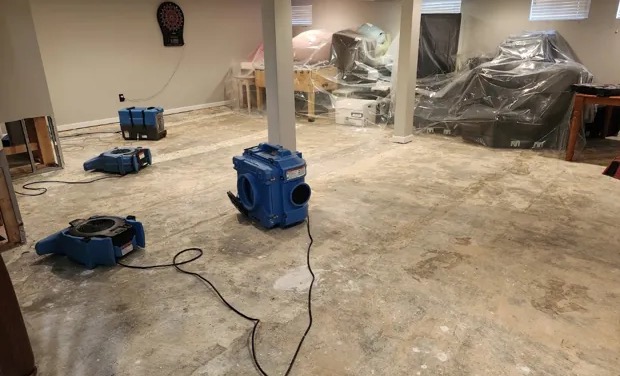
Desiccant Dehumidification: Moisture Control in Milford Mill
Desiccant dehumidifiers dry air differently from the refrigerant units most people know. Instead of cooling air to condense water, they pass it over a material that absorbs moisture, which lets them keep working in cool spaces and reach very low humidity.
Homes, job sites and commercial buildings in Milford Mill and nearby Lochearn, Randallstown and Woodlawn sometimes need more drying power than standard equipment provides. Help with desiccant dehumidification covers those cases.
Desiccant Dehumidification Methods Used in Milford Mill
Emergency Dehumidification
Emergency dehumidification starts as soon as standing water is removed, which limits swelling, warping and odor.
Construction Drying Services
Construction drying speeds up schedules by lowering humidity so slabs and drywall reach the moisture levels flooring and paint need.
Basement Dehumidification
Basement concrete and framing release water slowly. Desiccant drying keeps humidity low so they can dry in a reasonable time.
Crawl Space Drying
Readings on the wood framing are taken at each visit until they return to normal levels.
Firefighting Water Drying
Drying after a fire is done once wet debris is removed, so the structure dries cleanly before rebuilding.
Symptoms Requiring Desiccant Dehumidification in Milford Mill
Efflorescence on Masonry Surfaces
White, powdery deposits on masonry show water moving through concrete or block.
Active Mold Spots
Dark spots appearing on walls or ceilings mean materials stayed damp long enough for mold.
Musty Smell in Stored Items
Boxes and fabrics that smell musty show the space has stayed damp too long.
Strong Damp Odor in Rooms
A damp smell that stays in a room after cleanup means materials there are still holding moisture.
How Desiccant Dehumidification Works in Milford Mill
Step 1: Initial Damage Inspection
Humidity and moisture readings are taken across the affected area to set the drying plan.
Step 2: Deployment of Drying Equipment
Desiccant or standard dehumidifiers and air movers are placed based on the space and readings.
Step 3: Monitored Drying Cycle
Readings are logged daily, and equipment is moved or adjusted as each material dries.
Step 4: Completion and Clearance
Final readings confirm materials are dry, and the space is cleared for repairs.
What Leads to Humidity Damage Needing Desiccant Dehumidification in Milford Mill
Foundation Cracks and Seepage
Foundation cracks let groundwater seep into lower levels, keeping walls and floors damp.
Poor Ventilation in Enclosed Areas
Closed, poorly ventilated spaces trap moisture and dry very slowly after water damage.
Groundwater Rise After Heavy Rains
Groundwater rising after long rains keeps crawl spaces and lower levels damp.
Plumbing Leaks or Pipe Bursts
Burst pipes and leaking supply lines soak walls and floors that then need drying.
House & Business Desiccant Dehumidification in Milford Mill, MD
Residential Desiccant Dehumidification
In homes, desiccant drying is most often used in crawl spaces and cool lower levels after leaks or floods. Standard units are used in warm rooms where they work well.
Commercial Desiccant Dehumidification
In commercial buildings, high-capacity desiccant units can dry large floors and high-ceiling spaces after sprinkler leaks or floods, with drying planned around business hours.
Why DIY Falls Short for Desiccant Dehumidification in Milford Mill
For a small spill in a warm room, a household dehumidifier and fan may be enough. Call local desiccant dehumidification experts if drywall, flooring or framing got wet or the space is cool and damp.
Understanding Desiccant Dehumidification Expenses in Milford Mill
The cost of desiccant dehumidification in Milford Mill depends on the size of the wet area, how wet the materials are and how long the equipment needs to run.
Duration of Equipment Use
Drying usually takes several days, and each day of equipment use adds to the total.
Type of Water Damage
Floodwater and sewage need cleaning and removal of materials before drying, which adds cost.
Additional Restoration Steps
Extraction, material removal and cleaning before drying are separate steps that add to the total.
Does Insurance Cover Desiccant Dehumidification?
Construction drying on a new build is usually a project cost rather than an insurance claim. Ask your builder how it is handled.
Advantages of Hiring Local Pros in Milford Mill for Desiccant Dehumidification
Post-Flood Drying
Floodwater cleanup is followed by drying that continues until readings are normal.
Large Projects
Large buildings and job sites get drying plans that keep work and business moving.
Targeted Drying
Equipment is placed for the specific materials and spaces that are wet.
Emergency Desiccant Dehumidification Response for Milford Mill
Crawl space or lower level wet after a storm? Call (410) 237-0394 now for desiccant dehumidification in Milford Mill before the framing stays damp.
Call Now (410) 237-0394Desiccant Dehumidification Throughout Baltimore County, Lochearn, Randallstown and Woodlawn
Drying after water damage also covers homes, job sites and businesses in Lochearn, Randallstown and Woodlawn, close to Milford Mill.
- Desiccant Dehumidification in Lochearn
- Desiccant Dehumidification in Randallstown
- Desiccant Dehumidification in Woodlawn
- Desiccant Dehumidification in Garrison
- Desiccant Dehumidification in Pikesville
- Desiccant Dehumidification in Catonsville
- Desiccant Dehumidification in Owings Mills
- Desiccant Dehumidification in Arbutus
- Emergency Damage Restoration in 21244
- Storm Damage Restoration in 21244
- Water Damage Restoration in 21244
- Water Extraction Service in 21244
- Water Leak Detection in 21244
- Water Removal Service in 21244
Desiccant Dehumidification FAQs
What is involved in basement dehumidification after a flood?
Removing water, placing dehumidifiers and air movers and running them until concrete and framing read dry.
What happens after desiccant dehumidification is complete?
Final readings are recorded, equipment is removed and the space is ready for repairs or finishes.
How do rapid drying methods protect my property?
They dry materials before they swell, warp or grow microbes, which keeps repairs smaller.
What is the goal of flood drying services?
To remove the moisture left after floodwater is pumped out so the building can be cleaned and repaired.
What is desiccant dehumidification used for?
Drying spaces after water damage where standard dehumidifiers struggle, such as cool crawl spaces, large buildings and dense materials.