Lansdowne, MD · Baltimore County
Emergency Water Extraction in Lansdowne, MDWet Drywall Water Removal & Standing Water Removal
Emergency Water Extraction in Lansdowne covers emergency flood water extraction, standing water removal and carpet water extraction services.
Answered 24/7
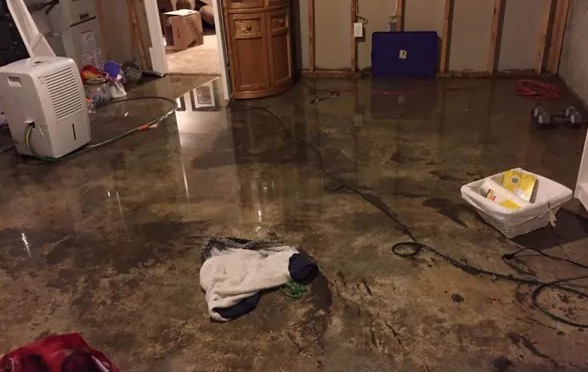
Emergency Water Extraction for Lansdowne Homes and Businesses
In Lansdowne, emergency extraction is the first step, not the whole job. After the standing water is gone, walls, subfloors and framing still hold moisture that needs drying.
Property owners in Lansdowne can call (410) 237-0394 day or night when water starts spreading. Service also covers Baltimore Highlands, Arbutus and Brooklyn Park, with the same extraction and drying steps.
Complete Emergency Water Extraction Solutions for Lansdowne
Wet Drywall Water Removal
Drywall that wicked up water is checked with a meter. Lightly damp drywall can be dried in place, while soaked drywall is cut out.
Standing Water Removal
Standing water spreads under walls and into the next room. Extraction follows it until every wet floor is cleared.
Sewage Backup Cleanup
Sewage that backed up through drains or toilets is extracted with protective gear, and the area is contained from clean rooms.
Emergency Flood Water Extraction
Floodwater from outside is treated as contaminated, so extraction is followed by removal of soaked porous materials and cleaning.
Burst Pipe Water Extraction
The burst section is noted and photographed for the plumber while the water is removed and the house is dried.
Indicators of a Serious Water Problem in Lansdowne
Swollen Doors or Cabinets
Doors that stick or cabinets that swell near a leak have soaked up water.
Wet Insulation in Attics
Insulation in the attic that is wet or matted points to a roof leak or attic plumbing failure.
Water Stains on Walls
Fresh stains on walls or ceilings show water is spreading from a leak nearby or above.
Visible Standing Water
Standing water anywhere inside needs extraction right away, before it soaks into walls, cabinets and subfloors.
How Emergency Water Extraction Works in Lansdowne
Step 1: Initial Water Damage Evaluation
Meters and thermal cameras show how far the water spread beyond what is visible.
Step 2: Standing Water Removal
Standing water is pumped out, and wet debris and soaked materials are cleared away.
Step 3: Structural Drying and Air Scrubbing
Drying equipment runs continuously, and air scrubbers filter dust from any removal work.
Step 4: Claim-Ready Damage Reporting
Photos, readings, removal lists and drying logs are organized into a report for the adjuster.
Frequent Sources of Water Damage in Lansdowne
Roof Leaks From Storm Damage
Storm-damaged roofs let rain pour into attics and through ceilings into the rooms below.
Sewage System Backup
A blocked sewer line pushes wastewater up through floor drains, tubs and toilets.
Burst or Leaking Pipes
Pipes can crack or burst from age, pressure or cold weather, releasing water fast.
HVAC System Condensation Issues
Clogged AC condensate lines overflow into closets, attics and the ceilings of rooms below.
Whole-Property Emergency Water Extraction in Lansdowne, MD
Residential Emergency Water Extraction
In homes, emergency extraction usually follows a burst pipe, water heater failure or overflowing toilet. Water is removed fast, belongings are protected and the house is dried so the family can return to normal.
Commercial Emergency Water Extraction
In businesses, water at night or over a weekend can flood offices, stores or kitchens. Extraction starts so the space can reopen as soon as possible.
The Risks of DIY Emergency Water Extraction in Lansdowne
Shutting off the main water, turning off power to wet rooms and moving belongings are the right first steps. Call local water damage pros as soon as water has reached carpet, walls or more than one room.
Factors Influencing Emergency Water Extraction Cost in Lansdowne, MD
Plumbing and roof repairs are separate from extraction and drying. In Lansdowne, they follow once the water is out and the structure is dry.
Water Source and Type
Clean water costs less to extract and dry than sewage or floodwater, which needs disinfection.
Depth of Standing Water
Deep standing water needs pumping before extraction, which adds time and equipment.
Necessary Demolition Work
Carpet pad, drywall and flooring that must be removed add labor and disposal costs.
Does Insurance Cover Emergency Water Extraction?
Many homeowner policies cover sudden water damage, like a burst pipe, but exclude outside flooding and sometimes sewer backups. Check your policy and call your insurer early.
Advantages of Hiring Local Pros for Emergency Water Extraction in Lansdowne
Industry Drying Standards
Extraction and drying follow industry water damage standards, with readings at every visit.
Structural Drying
Walls, subfloors and framing are dried until readings are normal, not just the visible surfaces.
Contained Removal
Wet drywall and flooring are removed inside plastic containment to keep dust out of clean rooms.
Round-the-Clock Emergency Water Extraction in Lansdowne, MD
Night, weekend or holiday, local water damage pros handle water emergencies in Lansdowne. Call (410) 237-0394 any time to talk through the next steps.
Call Now (410) 237-0394Emergency Water Extraction Near Lansdowne: Areas Served
Help with emergency water extraction is also available in communities near Lansdowne, including Baltimore Highlands, Arbutus and Brooklyn Park, for floods, burst pipes and sewage backups.
- Emergency Water Extraction in Baltimore Highlands
- Emergency Water Extraction in Arbutus
- Emergency Water Extraction in Brooklyn Park
- Emergency Water Extraction in Ferndale
- Emergency Water Extraction in Catonsville
- Emergency Water Extraction in Elkridge
- Emergency Water Extraction in Ilchester
- Emergency Water Extraction in Woodlawn
Common Emergency Water Extraction Questions Answered
What happens after the water is extracted?
Moisture readings show what is still wet, materials that cannot be saved are removed and drying equipment runs for several days.
What is moisture inspection and why is it needed?
Checking walls, floors and ceilings with meters and thermal cameras to find water that is not visible after extraction.
How should flood water extraction begin?
As soon as the source is stopped and power is safe. Water soaks deeper into materials every hour it sits.
What is the process for flood water extraction?
Make power safe, pump out deep water, extract floors and carpet, remove contaminated materials and dry the structure.
Can water extraction prevent mold after a flood?
Fast extraction and drying are the main ways to keep mold from starting after a flood.