Annapolis, MD · Anne Arundel County
HVAC Leak Water Removal in Annapolis, MDMoisture Remediation For HVAC Systems & Wet Insulation Removal Near HVAC
HVAC Leak Water Removal in Annapolis covers AC condensate leak water removal, HVAC cabinet water extraction and emergency HVAC leak cleanup.
Answered 24/7
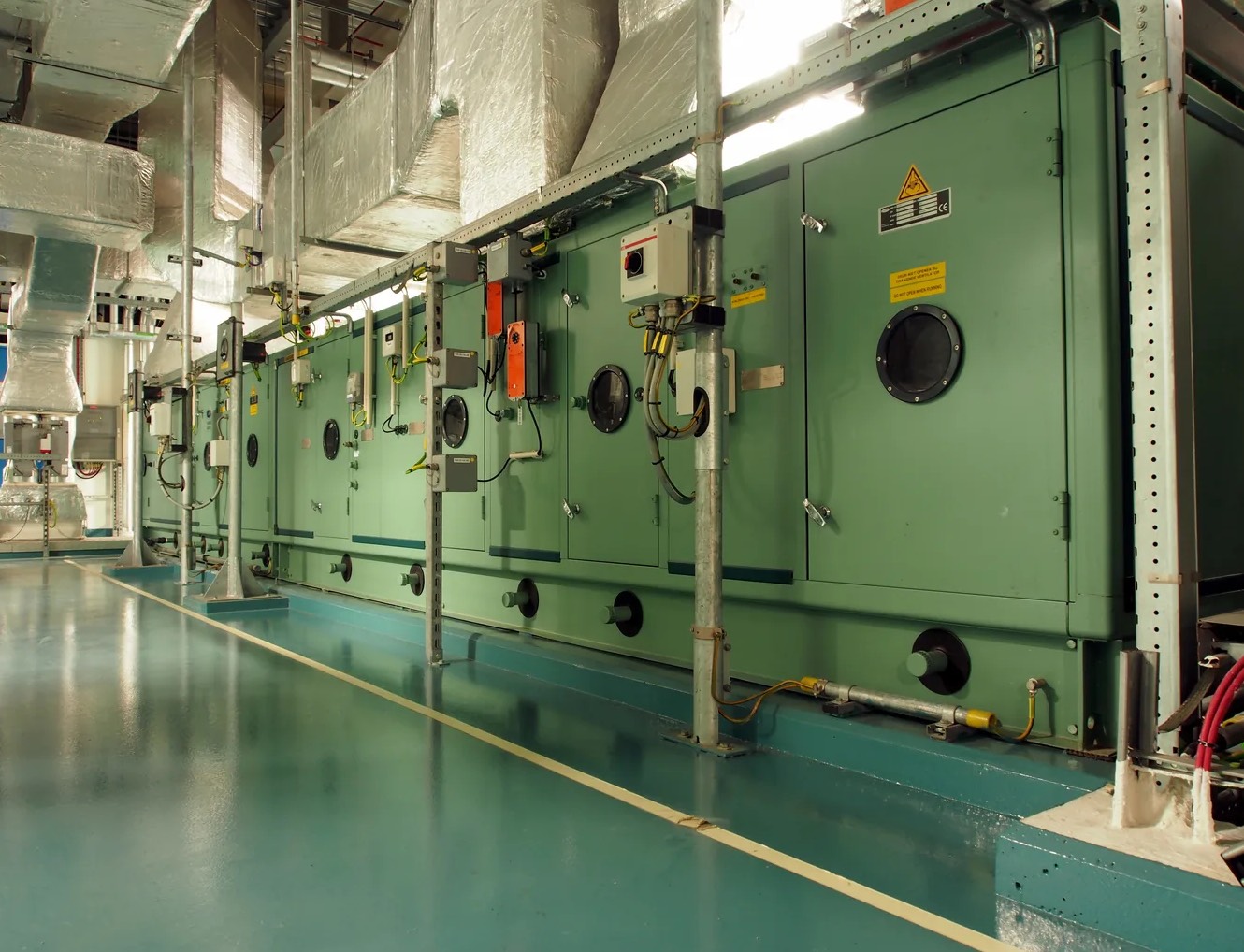
Expert HVAC Leak Water Removal in Annapolis MD
A leaking coil in Annapolis creates two jobs. An HVAC contractor repairs the coil, and the water that already escaped has to be removed and dried.
When an HVAC leak occurs in Annapolis, water needs to come out quickly to protect interior finishes and electrical systems. Local water removal pros serve this community and nearby areas like Parole, Arnold and Severna Park, extracting water around the unit and drying wet ductwork before damage spreads.
HVAC Leak Water Removal Service Details in Annapolis
Moisture Remediation for HVAC Systems
Once the leak stops, dehumidifiers and air movers are placed to dry the air handler closet, nearby ducts and the room, following industry drying standards.
Wet Insulation Removal Near HVAC
Fiberglass insulation soaked by an HVAC leak becomes heavy and ineffective. Experts carefully remove this material to access hidden moisture.
HVAC Drain Line Flood Cleanup
A broken drain line can flood a mechanical room or closet. The water is contained and extracted before it reaches flooring and equipment nearby.
Ductwork Condensation Water Removal
Cold air inside ducts meeting warm, humid air causes sweating and droplets. Condensation soaks insulation and damages ceiling materials.
Emergency HVAC Leak Cleanup
An actively dripping or flooding HVAC leak is an emergency. Immediate cleanup focuses on water extraction and setting up drying equipment.
Red Flags for HVAC Leak Water Removal in Annapolis
Mold on Air Handler
Visible mold on the unit, the ducts or nearby drywall usually means water has been there for a while.
High Indoor Humidity Levels
A home feeling persistently muggy can mean the HVAC system is not properly removing airborne moisture.
Visible Rust on Metal Components
Rust forming on the evaporator coil cabinet, drain pan, or supports indicates prolonged moisture exposure.
Stained Ceilings or Walls Near Vents
Stains on drywall or ceilings around supply vents often trace back to ducts that are sweating or leaking.
How HVAC Leak Water Removal Works in Annapolis
Step 1: Water Containment
The leak is contained first, then extractors pull water out of the HVAC cabinet and off the floor around it.
Step 2: HVAC Component Damage Evaluation
Wet parts like the drain pan, coil area and controls are noted so an HVAC contractor knows what to check or replace.
Step 3: Structural Drying Protocol
Drying equipment targets wet walls, subfloor and insulation near the unit so damage does not spread.
Step 4: Air Quality Sanitization
Once everything is dry, the cabinet area and nearby surfaces are cleaned to remove odor and residue.
Frequent Sources of HVAC Leak Water Damage in Annapolis
Obstructed Air Filter or Ducts
Badly restricted airflow lets frost build on the cold coil, and the water floods the pan when it melts.
Clogged Condensate Drain Line
Algae, sludge, or debris blocking the primary drain pipe causes water to back up into the HVAC cabinet.
Worn Gaskets or Seal Failures
Worn seals around access panels or coil sections let water escape the cabinet instead of reaching the pan.
Cracked or Disconnected Drain Pan
A damaged or misaligned secondary drain pan beneath the evaporator coil fails to catch condensation overflow.
Residential & Commercial HVAC Leak Water Removal in Annapolis
Residential HVAC Leak Water Removal
For homeowners, the experts address water from central AC units, attic air handlers, and basement furnaces. They extract the water to protect flooring, drywall and belongings, then dry wet ductwork.
Commercial HVAC Leak Water Removal
In businesses, water from rooftop units, mechanical rooms and long duct runs can reach offices, stock and electronics. The pros remove it and dry the space while working around business hours.
HVAC Leak Water Removal: DIY or Call Water Damage Pros in Annapolis
If you find an HVAC leak, turn off the system at the thermostat and the breaker. Put towels down and move belongings away from the drip. Wiping up a little condensation is fine, but standing water or wet drywall needs drying equipment.
HVAC Leak Water Removal Pricing Considerations in Annapolis
Pricing for HVAC leak water removal depends on how much ductwork and building material got wet. Water inside wall cavities adds time and equipment.
Leak Source and Severity
Whether the leak came from a drain line, the coil or the pan changes how much water there is and where it went.
HVAC System Accessibility
Units in tight closets or attics take more labor to reach, clean around and dry.
Drying Time and Equipment
The number of days ducts and materials take to dry decides how long the dehumidifiers run.
Does Insurance Cover HVAC Leak Water Removal?
For HVAC water cleanup, a policy may cover the water damage but not fixing the failed part. The pros document the wet area and the drying, and the insurer makes the coverage decision.
Advantages of Local Pros for HVAC Leak Water Removal in Annapolis
Focused on System Integrity
The goal is a dry unit area and dry materials around it, so the system can run safely again.
Containment and Air Filtration
The work area can be closed off so dust and moist air do not spread while wet materials are removed.
Comprehensive Leak Source Identification
The experts trace the water to the drain line, coil or pan, so the right trade can fix the cause.
Emergency HVAC Leak Water Removal for Annapolis Properties
HVAC drain line floods need immediate attention to stop water damage. For HVAC leak cleanup and moisture remediation, contact the experts at (410) 237-0394.
Call Now (410) 237-0394HVAC Leak Water Removal Near Annapolis: Areas Served
In Annapolis and nearby Parole, Arnold and Severna Park, the experts handle water from HVAC cabinets, drain lines and wet insulation around the unit.
- HVAC Leak Water Removal in Parole
- HVAC Leak Water Removal in Arnold
- HVAC Leak Water Removal in Severna Park
- HVAC Leak Water Removal in Lake Shore
- HVAC Leak Water Removal in Crofton
- HVAC Leak Water Removal in Pasadena
- HVAC Leak Water Removal in Glen Burnie
- HVAC Leak Water Removal in Green Haven
- Emergency Damage Restoration in 21401
- Storm Damage Restoration in 21401
- Water Damage Restoration in 21401
- Water Extraction Service in 21401
- Water Leak Detection in 21401
- Water Removal Service in 21401
- Emergency Damage Restoration in 21402
- Storm Damage Restoration in 21402
Frequently Asked Questions About HVAC Leak Water Removal
What's the difference between water extraction and drying?
Extraction removes the liquid water. Drying uses dehumidifiers and air movers to pull out the moisture left in insulation, drywall and wood.
What are signs of a leaking AC unit indoors?
Water around the indoor unit, stains on nearby walls or ceilings, a musty smell, or the system shutting off because its float switch tripped.
How long does wet ductwork drying typically take?
It depends on how much water there is and how easy it is to reach. Most jobs take two to four days of drying with commercial equipment.
What is HVAC cabinet water extraction?
It means removing water that has pooled inside the metal cabinet around the furnace or air handler, which protects the blower motor and controls.
How is moisture removed from HVAC ductwork?
Air movers and dehumidifiers dry the area around the ducts. Duct sections or lining that stayed wet may need cleaning or replacing by an HVAC contractor.