Edgewood, MD · Harford County
HVAC Leak Water Removal in Edgewood, MDMoisture Remediation For HVAC Systems & HVAC Drain Line Flood Cleanup
HVAC Leak Water Removal in Edgewood covers HVAC cabinet water extraction, emergency HVAC leak cleanup, and wet insulation removal near HVAC.
Answered 24/7
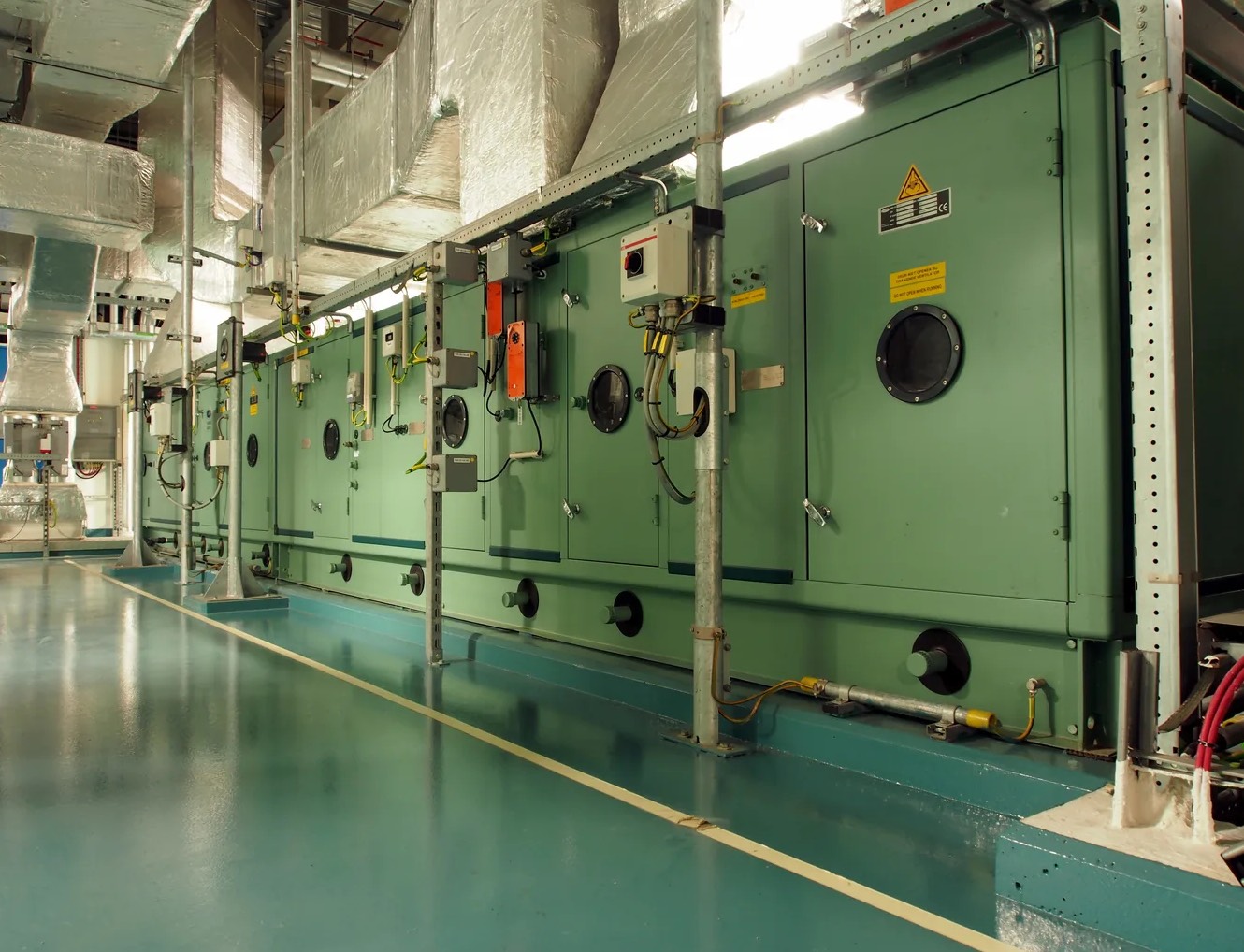
HVAC Leak Water Removal Services for Edgewood Residents
In Edgewood, an air conditioner can run most of the day in summer, and the condensate it makes has to go somewhere. When the drain fails, that water soaks insulation, rusts metal and wets the drywall nearby.
When an HVAC leak occurs in Edgewood, water needs to come out quickly to protect interior finishes and electrical systems. Local water removal pros serve this community and nearby areas like Joppatowne, Bel Air South and Bowleys Quarters, extracting water around the unit and drying wet ductwork before damage spreads.
Complete HVAC Leak Water Removal Services for Edgewood
Moisture Remediation for HVAC Systems
Once the leak stops, dehumidifiers and air movers are placed to dry the air handler closet, nearby ducts and the room, following industry drying standards.
HVAC Drain Line Flood Cleanup
A completely blocked primary condensate drain line can overflow the secondary pan. Cleanup requires extracting the spilled water and clearing the line.
Ductwork Condensation Water Removal
Humid air hitting cold metal ductwork makes it sweat and drip. Cleanup means drying the ducts and the drywall, insulation and flooring under them.
AC Condensate Leak Water Removal
An overflowing secondary pan from a blocked drain line creates a steady leak. The experts remove the water to protect the HVAC cabinet and subfloor.
HVAC Cabinet Water Extraction
A leak from a coil or connection fills the air handler cabinet bottom. Extraction experts remove this water to prevent mold inside ducts.
When to Consider HVAC Leak Water Removal in Edgewood
Unusual Sounds From the AC Unit
Gurgling, dripping, or hissing noises from the indoor unit frequently accompany a condensate drainage failure.
Reduced Cooling or System Shutdown
An AC that shuts itself off may have a float switch that tripped because the drain pan is full of water.
High Indoor Humidity Levels
A home feeling persistently muggy can mean the HVAC system is not properly removing airborne moisture.
AC Drain Line Overflowing
Water spilling from the condensate drain line or its overflow port means the drain is blocked and needs attention now.
How HVAC Leak Water Removal Works in Edgewood
Step 1: Water Removal Initiation
The pros use pumps and wet vacuums to remove the bulk water from a flooded drain line area.
Step 2: Detailed Moisture Detection
Meters and thermal cameras check concealed spaces so no wet spot behind a wall or above a ceiling is missed.
Step 3: Controlled Drying Environment
Professionals create a controlled environment with dehumidifiers and air movers to dry wet ductwork, insulation and building materials.
Step 4: Final Clearance and Prevention Advice
A final check confirms everything is dry, and you get tips on keeping the condensate drain clear.
Common Causes of HVAC Water Leaks in Edgewood
Worn Gaskets or Seal Failures
Worn seals around access panels or coil sections let water escape the cabinet instead of reaching the pan.
Excessive Ductwork Condensation
Poorly insulated ducts in humid spaces sweat and drip water into walls, ceilings and insulation.
Clogged Condensate Drain Line
Algae, sludge, or debris blocking the primary drain pipe causes water to back up into the HVAC cabinet.
Frozen Evaporator Coil Thawing
A coil freezing due to low refrigerant or airflow can release large volumes of water upon thawing.
Commercial and Residential HVAC Leak Water Removal in Edgewood
Residential HVAC Leak Water Removal
In homes, water from a utility closet can reach hardwood floors, cabinets and stored items. The pros dry those materials and wet duct sections near the unit.
Commercial HVAC Leak Water Removal
In commercial buildings, mechanical rooms and the spaces under them are checked for water and dried, with readings recorded for the building manager.
When DIY Fails for HVAC Leak Water Removal in Edgewood
You can document water damage for an insurance claim by taking clear photos of the affected area and leaking component. Keep records of communication. Do not discard damaged items until reviewed. Coverage decisions belong to the insurer.
Cost Insights for HVAC Leak Water Removal in Edgewood
Pricing for HVAC leak water removal depends on how much ductwork and building material got wet. Water inside wall cavities adds time and equipment.
Drying Time and Equipment
The number of days ducts and materials take to dry decides how long the dehumidifiers run.
Affected Components and Materials
Wet insulation, damaged ductwork or wiring near the flooded unit each add work to the job.
Leak Source and Severity
Whether the leak came from a drain line, the coil or the pan changes how much water there is and where it went.
Does Insurance Cover HVAC Leak Water Removal?
For a flooded HVAC drain line, coverage often depends on whether the leak was sudden or came from skipped maintenance. Records of the damage and the cleanup go to your insurer, who decides.
Benefits of Local Water Damage Pros for HVAC Leak Water Removal in Edgewood
Component-Safe Water Removal
Work around the unit is done carefully so coils, wiring and control boards are not damaged further.
Structured Dehumidification Strategy
Air movers and dehumidifiers are placed to dry the cabinet area and nearby walls without blowing water further.
Focused on System Integrity
The goal is a dry unit area and dry materials around it, so the system can run safely again.
24-Hour Emergency HVAC Leak Water Removal in Edgewood
Water flowing from your HVAC system requires fast action to prevent costly secondary damage. For emergency HVAC water extraction in Edgewood, call (410) 237-0394 anytime.
Call Now (410) 237-0394HVAC Leak Water Removal Locations Near Edgewood
In Edgewood and nearby Joppatowne, Bel Air South and Bowleys Quarters, the pros handle water from HVAC cabinets, drain lines and wet insulation around the unit.
- HVAC Leak Water Removal in Joppatowne
- HVAC Leak Water Removal in Bel Air South
- HVAC Leak Water Removal in Bowleys Quarters
- HVAC Leak Water Removal in White Marsh
- HVAC Leak Water Removal in Middle River
- HVAC Leak Water Removal in Perry Hall
- HVAC Leak Water Removal in Bel Air North
- HVAC Leak Water Removal in Aberdeen
- Emergency Damage Restoration in 21040
- Storm Damage Restoration in 21040
- Water Damage Restoration in 21040
- Water Extraction Service in 21040
- Water Leak Detection in 21040
- Water Removal Service in 21040
HVAC Leak Water Removal Common Questions
Does HVAC leak water removal prevent mold?
Fast extraction and drying lower the risk a lot. Materials that stay wet longer than a day or two can start to grow mold.
Why is quick action critical for a flooded HVAC unit?
Water can damage the unit's wiring, rust metal parts and soak into walls and floors, which makes repairs larger and more expensive.
Can wet insulation near HVAC be saved?
Often, yes. Wet insulation loses its value and is hard to dry in tight spaces, so it is usually removed and replaced once the area is dry.
What's the difference between water extraction and drying?
Extraction removes the liquid water. Drying uses dehumidifiers and air movers to pull out the moisture left in insulation, drywall and wood.
How is moisture removed from HVAC ductwork?
Air movers and dehumidifiers dry the area around the ducts. Duct sections or lining that stayed wet may need cleaning or replacing by an HVAC contractor.