Glen Burnie, MD · Anne Arundel County
Industrial Dehumidification in Glen Burnie, MDIndustrial Humidity Reduction Systems & Mold Remediation Services
Get Industrial Dehumidification in Glen Burnie for industrial flood damage restoration, warehouse moisture control, and mold remediation services.
Answered 24/7
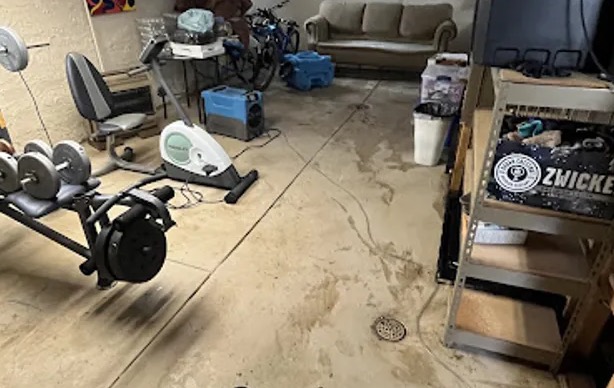
Industrial Drying Services for Glen Burnie Properties
In Glen Burnie, the sooner water is removed and humidity brought down, the less there is to restore. Standing water and damp air keep damaging materials every day they stay.
When flooding hits an industrial building in Glen Burnie, drying needs to start quickly. Local industrial dehumidification pros also work in nearby Ferndale, Pasadena and Green Haven and keep records of the water removal and drying.
Industrial Flood Damage Restoration in Glen Burnie
Industrial Humidity Reduction Systems
Some buildings stay humid long after a leak. Dehumidifiers can be left running to hold humidity at a set level until the building is stable.
Mold Remediation Services
Mold in a commercial building indicates a deeper moisture issue. The pros use industrial dehumidifiers to create a dry environment that inhibits mold.
Disaster Recovery Drying
Disaster scenarios create complex drying challenges. The pros design a recovery plan centered on industrial dehumidification. The process involves drying contents and structure in tandem.
Emergency Water Removal
Emergency water removal in Glen Burnie pulls floodwater out of the building so the industrial drying can start.
Commercial Water Damage Cleanup
Leaks or floods in commercial properties need high-capacity dehumidifiers. Humidity control in expansive areas targets moisture in concrete slabs and behind walls.
Indicators for Industrial Dehumidification Services in Glen Burnie
Elevated Humidity Levels
Sticky air and condensation on windows or metal surfaces mean humidity in the building is too high.
Equipment Rust or Corrosion
New rust on machinery or metal stock can come from damp air in the building.
Damp Insulation or Drywall
Wet materials behind walls or above ceilings stay wet for weeks without forced drying and can rot.
Soggy Inventory or Stock
Wet cardboard, damaged goods or damp raw materials mean humidity in the building is not under control.
How Industrial Dehumidification Works in Glen Burnie
Step 1: First Call and Extraction
Local water damage pros check for hazards first and then start extracting flood water.
Step 2: Dehumidification System Setup
Industrial dehumidifiers are set up to create a controlled drying chamber for the air and materials.
Step 3: Targeted Moisture Control
Drying is aimed at problem spots like wet drywall, subfloors and dense materials.
Step 4: Documentation for Property Restoration
Moisture readings and photos are recorded throughout for your files and your insurer.
Common Causes for Industrial Dehumidification in Glen Burnie
HVAC System Condensation Issues
Cooling systems that are poorly maintained or oversized can produce a lot of condensation and raise humidity.
Foundation Cracks and Seepage
Groundwater pushed up through cracks in slabs and walls keeps lower areas damp.
Natural Disasters and Severe Weather
Flash floods, torrential rain and other extreme events can soak large buildings and need large-scale drying.
Roof Leaks and Storm Damage
Damaged roofing lets water in during heavy rain, wetting stock and floors below.
Professional Industrial Dehumidification for Any Property in Glen Burnie
Residential Industrial Dehumidification
A flooded basement or crawl space can ruin stored items and weaken foundations. Pros extract the water and dry the structure to prevent costly repairs later.
Commercial Industrial Dehumidification
Restaurant kitchens, stockrooms and offices all need humidity under control after water damage. Commercial dehumidifiers protect equipment and goods from rust and mold.
DIY Moisture Control vs. Professional Industrial Dehumidification in Glen Burnie
For a small spill of clean water, a mop or wet vacuum is fine. If water has soaked into drywall, flooring or subfloor, call (410) 237-0394 so it can be dried before it rots or grows mold.
Understanding Industrial Dehumidification Costs in Glen Burnie
The pros price the job based on how wet the building is, what materials got wet and how hard the space is to work in.
Access Complexity
Hard-to-reach areas in a warehouse or plant take longer to set up equipment in.
Structural Material Type
Concrete, wood and steel dry differently, which changes the approach and the time.
Affected Square Footage
The size of the area to be dehumidified sets how much equipment and labor are needed.
Does Insurance Cover Industrial Dehumidification?
Insurance coverage for industrial dehumidification work in Glen Burnie depends entirely on the specific terms and conditions of a property owner's policy. The final coverage decision rests solely with the insurance carrier.
Advantages of Hiring Local Pros for Industrial Dehumidification in Glen Burnie
Comprehensive Water Removal
The work starts with removing standing water and water soaked into materials.
Structural Material Knowledge
Concrete, wood and drywall dry at different rates, and the plan accounts for each.
24/7 Emergency Response
Fast water extraction limits how far damage spreads in a large building.
Emergency Flood Response in Glen Burnie
Standing water left in a building can lead to mold within a day or two. Call (410) 237-0394 to reach the pros for commercial water cleanup and humidity control, any hour.
Call Now (410) 237-0394Areas Served for Industrial Dehumidification Near Glen Burnie
Large-scale drying and emergency water removal keep businesses running. Local pros serve Glen Burnie and the vicinity, including communities like Ferndale, Pasadena and Green Haven.
- Industrial Dehumidification in Ferndale
- Industrial Dehumidification in Pasadena
- Industrial Dehumidification in Green Haven
- Industrial Dehumidification in Brooklyn Park
- Industrial Dehumidification in Severn
- Industrial Dehumidification in Severna Park
- Industrial Dehumidification in Odenton
- Industrial Dehumidification in Lake Shore
- Emergency Damage Restoration in 21060
- Storm Damage Restoration in 21060
- Water Damage Restoration in 21060
- Water Extraction Service in 21060
- Water Leak Detection in 21060
- Water Removal Service in 21060
- Emergency Damage Restoration in 21061
- Storm Damage Restoration in 21061
Frequently Asked Questions About Industrial Dehumidification
When is mold remediation necessary after flooding?
Mold remediation services become crucial if visible mold appears or if materials remain wet beyond 24-48 hours, allowing spores to activate.
Why is water extraction so important?
Removing water quickly keeps it from soaking deeper, shortens drying and lowers the risk of mold and warping.
What is the goal of disaster recovery drying?
It is drying a building after a large water loss so the business can return to normal use as soon as possible.
How is drying progress monitored?
The pros take moisture readings from materials and the air each day and keep drying logs that show progress.
What does water damage cleanup involve?
Water extraction, moisture mapping of the building, placement of industrial dehumidifiers and air movers, daily monitoring and a final dryness check.