Baltimore, MD · Greater Baltimore
Moisture Mapping in Baltimore, MDWall Cavity Moisture Survey & Post-Flood Moisture Analysis
Moisture Mapping in Baltimore involves hidden water leak mapping, structural drying verification and wall cavity moisture survey.
Answered 24/7
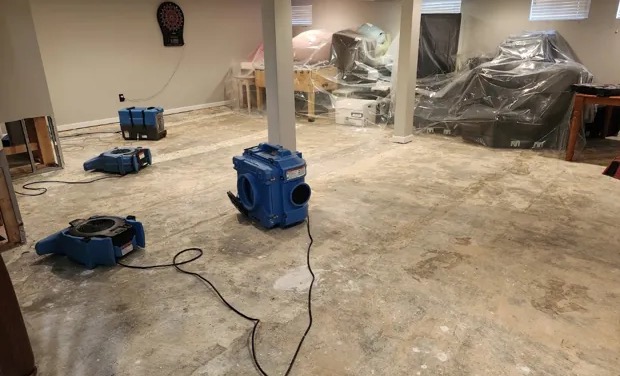
Accurate Moisture Mapping Services in Baltimore, Maryland
In Baltimore, moisture mapping is the first step after any water intrusion. Undetected dampness behind walls or under floors can lead to mold growth and wood rot, compromising your property's safety and value. A detailed survey pinpoints every wet area.
In the area around Baltimore, water damage can be deceptive. A small stain may hide a large saturated area behind it. Local water damage pros map hidden leaks and analyze moisture after floods. They scan floors, walls and ceilings to differentiate surface condensation from active intrusion. Their map guides the drying process.
Professional Moisture Mapping Solutions in Baltimore
Wall Cavity Moisture Survey
Surveying wall cavities involves strategic moisture readings at different heights and locations. The map shows where water traveled inside, so drying equipment goes where it is needed.
Post-Flood Moisture Analysis
After a flood, water can travel far from the original source. A full moisture analysis uses mapping to track this migration into wall bases, under cabinets, and within concrete slabs, forming the complete picture needed for a full restoration plan.
Infrared Moisture Inspection
Using advanced infrared technology, the specialists conduct thorough inspections to identify moisture migration paths and saturation levels. It produces an accurate drying plan and prevents secondary damage like mold.
Structural Drying Verification
Verification is the quality control step of the drying process. Previously wet areas are remapped with meters and infrared cameras to document that all materials have achieved a safe, dry equilibrium moisture content.
Moisture Meter Readings
In Baltimore, professional moisture mapping includes systematic meter readings across all suspect areas. No wet material is missed, which protects the structure and indoor air.
Warning Signs You Need Moisture Mapping
Musty Odors in Rooms
Persistent damp, earthy smells in a room, closet or basement indicate microbial mold fueled by excess moisture.
Unexplained Wall Discoloration
Walls developing dark patches, bubbling paint or peeling wallpaper often signal hidden moisture damage behind the surface.
Condensation on Windows
Excessive window condensation can drip into wall frames, promoting hidden moisture damage and potential mold growth.
Mold Growth in Corners
Visible mold clusters in corners, behind furniture or under cabinets are clear indicators of a moisture problem.
How Moisture Mapping Works in Baltimore
Step 1: Initial Visual Assessment
The pros first inspect the property for visible water damage signs, stains and potential leak sources to guide the detailed survey.
Step 2: Infrared Moisture Inspection
Using infrared cameras, pros scan walls, ceilings and floors to detect temperature differences that reveal hidden moisture damage and wet areas.
Step 3: Moisture Meter Verification
Probes and pinless moisture meters are used on identified areas to get precise moisture content readings in materials, confirming the infrared findings.
Step 4: Water Damage Mapping Report
All data is compiled into a detailed moisture map report, showing affected zones and moisture levels for your records and insurance documentation.
Reasons for Undetected Intrusion That Needs Moisture Mapping
Appliance Supply Line Failures
Washing machine, dishwasher or refrigerator water line ruptures can flood floors and saturate hidden structural materials.
Flooding From Severe Weather
Stormwater intrusion, sewer backups or overland flooding forces water into a home's structure and materials.
Foundation Cracks and Seepage
Groundwater pushed through foundation cracks keeps slabs and subfloors damp, often out of sight.
Condensation Within Wall Cavities
Temperature differentials between interior and exterior surfaces cause vapor to condense inside walls unseen.
Residential and Commercial Moisture Mapping in Baltimore
Residential Moisture Mapping
Residential moisture mapping often focuses on living areas, basements and attics after leaks or floods. The pros check subfloors and use infrared to find all moisture and guide drying.
Commercial Moisture Mapping
In commercial buildings, mapping covers large floor areas, warehouse slabs and multi-story construction. The pros employ structural drying verification to confirm that building materials have returned to acceptable dryness levels post-mitigation.
The Risks of Skipping Professional Moisture Mapping
You can safely move furniture and belongings away from visibly wet areas to prevent further damage. Dry obvious surface water with towels and use fans to increase air circulation in the room. However, for moisture mapping, call the specialists when you suspect water has entered walls, ceilings or subfloors, as hidden moisture requires professional detection.
Considerations for Moisture Mapping Expense in Baltimore
The final bill for moisture inspection considers the detail required in the report for an insurance claim and verification of structural drying. The complexity of tracking moisture migration and the materials being tested are other key cost factors.
Damage Extent
Widespread water intrusion demands extensive mapping with infrared inspection, increasing the assessment and documentation workload.
Number of Zones
Each separate area, such as several bathrooms or floors, needs its own readings, which adds time.
Drying Verification
Return visits to confirm structural drying completion with post-flood moisture analysis add to the total service steps.
Does Insurance Cover Moisture Mapping?
Post-flood moisture analysis needed to create a drying plan may be covered under certain policies. The specialists provide verified meter readings and dryness reports. Policyholders must confirm this with their own insurance company, as all coverage determinations are made internally.
Why Choose Local Moisture Detection Specialists for Moisture Mapping in Baltimore
Targeted Drying Plans
Accurate moisture mapping directs drying equipment placement for efficient moisture removal from identified wet zones.
Insurance Claim Support
The generated moisture maps and inspection data serve as objective documentation for your claim file.
Detailed Documentation
Thorough reports with moisture meter readings and humidity maps provide clear evidence for your review and records.
24/7 Emergency Moisture Mapping in Baltimore
Act fast after a plumbing failure or storm leak. Call (410) 237-0394 anytime for emergency moisture mapping services in Baltimore, including infrared inspection and humidity mapping to start the process.
Call Now (410) 237-0394Moisture Mapping Services for Baltimore and Nearby Areas
Understanding hidden moisture requires professional mapping in Baltimore. The pros survey moisture and map humidity for homes in Baltimore Highlands, Lansdowne and Brooklyn Park, plus the local area.
Frequently Asked Questions About Moisture Mapping
What areas are checked in a structural moisture inspection?
The inspection covers walls, floors, ceilings, subfloors, wall cavities, and often insulation and framing within the affected zone of the water damage.
Are moisture mapping results provided in a report?
Yes, the specialists provide a detailed report including moisture maps, meter reading logs, infrared images, and an analysis of the findings.
Does leak detection mapping only find active leaks?
It aims to find the source of active intrusion, but can also map the extent of damage from past leaks that have left materials wet.
How does infrared moisture inspection work?
Infrared cameras detect temperature differences caused by evaporative cooling, revealing hidden moisture behind surfaces without the need for immediate physical damage.
When is post-flood moisture analysis needed?
After a flood, it maps every affected area, sets a baseline and guides structural drying.