Clinton, MD · Prince George's County
Rapid Structural Drying in Clinton, MDWall Cavity Drying & Moisture Mapping Services
Rapid Structural Drying in Clinton involves services like wall cavity drying, subfloor drying, and crawl space drying from restoration pros.
Answered 24/7
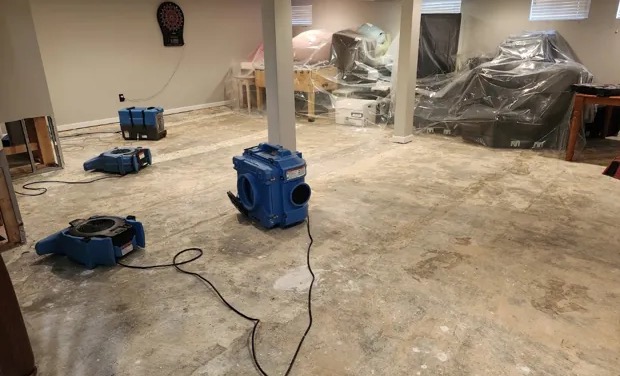
Rapid Structural Drying Solutions in Clinton, Maryland
Wall cavities act as hidden reservoirs for water after a leak. Insulation and framing inside walls hold moisture long after surface water is gone.
Structural moisture removal in Clinton addresses both visible and hidden water damage in homes and businesses. Service areas include nearby locations like Camp Springs, Oxon Hill and Fort Washington for added convenience.
Advanced Rapid Structural Drying Processes
Wall Cavity Drying
Moisture locked within a wall demands a focused drying solution. Desiccant dehumidifiers are often used to aggressively pull moisture from the enclosed area.
Moisture Mapping Services
Before drying equipment is set up, a moisture map is created. This service identifies the full extent of water migration in Clinton properties.
Subfloor Drying
Wet subfloors can warp, swell, and compromise the floor system. Drying removes moisture from plywood or OSB, often requiring lifted flooring sections to allow direct airflow from above and below.
Structural Dehumidification
In a water-damaged building, high humidity is the enemy. Structural dehumidification uses commercial-grade equipment to rapidly lower relative humidity.
Flood Drying Services
Widespread flooding presents a unique drying challenge. Services for this scenario involve creating drying chambers and managing airflows across large spaces.
When Rapid Structural Drying Is Needed
Recent Plumbing Leak or Flood
Any recent leak or flood can leave water inside walls and floors even after surfaces look dry.
Visible Water Stains on Walls
Yellow or brown stains on drywall or ceilings mean water got into the material and may still be inside.
Warped or Bubbling Floorboards
Hardwood floors that buckle or cup have taken on moisture from below, usually from a wet subfloor.
Mold Growth on Baseboards
Mold appearing along floor edges often points to hidden moisture in wall cavities or subfloors needing extraction.
How Rapid Structural Drying Works in Clinton
Step 1: Water Extraction and Containment
The process begins with extracting any standing water, then containing the affected area to prevent moisture migration to dry parts of the building.
Step 2: Professional Drying Equipment Deployment
Powerful desiccant and refrigerant dehumidifiers are deployed alongside air movers to aggressively remove moisture from the air and building materials.
Step 3: Focused Crawl Space and Slab Drying
Hard areas get specific methods, such as ducted air for crawl spaces and floor mats for concrete slabs.
Step 4: Final Moisture Validation and Documentation
Final moisture readings are taken and documented with photos and reports for your insurer, confirming the structure is dry and stable.
Events That Lead to Rapid Structural Drying
Landscaping or Grading Problems
Improper yard slope can direct water toward a foundation, leading to persistent dampness in slabs and crawl spaces.
HVAC System Condensation Issues
Clogged drain lines or faulty condensate pumps from air handlers can cause significant water damage inside walls and ceilings.
Appliance Malfunctions and Leaks
Faulty water heaters, washing machines, or dishwashers can leak slowly, causing hidden damage in walls and floors over time.
Severe Weather and Flooding
Heavy rainfall or localized flooding can overwhelm drainage, leading to water intrusion.
Both Home and Business Rapid Structural Drying
Residential Rapid Structural Drying
In homes, rapid structural drying targets moisture trapped in walls, under floors, and in crawl spaces after a leak.
Commercial Rapid Structural Drying
For businesses, commercial structural drying minimizes downtime after water damage. The pros focus on large-scale moisture removal from concrete slabs, interior wall cavities, and office subfloors using high-capacity equipment to get operations back to normal.
The Risks of Attempting Rapid Structural Drying Yourself
You can sweep water out of a garage or away from a foundation exterior. Inside, place aluminum foil squares on concrete slabs to test for condensation.
Factors Affecting Rapid Structural Drying Pricing
Residential structural drying cost in Clinton hinges on how quickly water is extracted and how many air movers and dehumidifiers are deployed. Drying a subfloor or crawl space also changes the price.
Required Drying Equipment
The number and type of industrial air movers, dehumidifiers, and moisture meters deployed for structural moisture removal influence operational costs.
Secondary Damage Prevention
Efforts to prevent mold growth during the drying process, such as applying antimicrobials, can be a factor in the service cost.
Project Duration
The total time needed for complete structural dehumidification and achieving dry standards affects the overall labor and equipment rental period.
Does Insurance Cover Rapid Structural Drying?
For flood drying services, coverage often requires a separate flood insurance policy. You need to provide this report to your insurance company and follow their specific claims process for water damage.
Advantages of Hiring Moisture Removal Experts in Clinton
Advanced Moisture Detection
Tools like thermal imagers and moisture meters are used for accurate moisture mapping to find hidden water.
Water Mitigation Drying Expertise
The approach is part of a complete water mitigation process to stabilize the property quickly.
Focus on Structural Integrity
The process prioritizes drying the building structure itself, including wall cavities and subfloors, to protect its stability.
24/7 Rapid Structural Drying When You Need It
After a burst pipe or flood in Clinton, call (410) 237-0394 any time, day or night, so drying can start before materials soak further.
Call Now (410) 237-0394Rapid Structural Drying Throughout Prince George's County
The experts dry homes and businesses in Clinton after water damage, and also serve nearby locations including Camp Springs, Oxon Hill and Fort Washington.
- Rapid Structural Drying in Camp Springs
- Rapid Structural Drying in Oxon Hill
- Rapid Structural Drying in Fort Washington
- Rapid Structural Drying in Glassmanor
- Rapid Structural Drying in Suitland
- Rapid Structural Drying in Forestville
- Rapid Structural Drying in Bowie
- Rapid Structural Drying in Landover
- Emergency Damage Restoration in 20735
- Storm Damage Restoration in 20735
- Water Damage Restoration in 20735
- Water Extraction Service in 20735
- Water Leak Detection in 20735
- Water Removal Service in 20735
Rapid Structural Drying Information and Answers
What areas of a home need structural moisture removal?
Structural moisture removal often targets concealed areas like behind walls, under floors, within ceiling cavities, and in support beams where water can linger and cause hidden damage.
Why is quick action critical for structural drying?
Quick action limits the extent of water absorption into materials, reduces the drying time required, and helps minimize the potential for costly repairs related to structural decay or mold.
How do pros know when structural drying is complete?
The pros use moisture meters to compare readings in affected materials to known dry standards in unaffected areas, ensuring moisture levels are acceptable before concluding the job.
What is rapid structural drying?
Rapid structural drying is a focused water mitigation process using industrial equipment to quickly remove moisture from building materials like walls, floors, and substructures to prevent further damage.
What is the goal of commercial structural drying?
The goal of commercial structural drying is to quickly restore a safe, dry environment for business operations by removing moisture from building materials and contents to prevent long-term damage.