Taneytown, MD · Carroll County
Roof Leak Water Removal in Taneytown, MDWall Cavity Drying & Structural Drying Services
Local water damage pros in Taneytown provide roof leak water removal with emergency roof tarping, wall cavity drying and structural drying services.
Answered 24/7
Roof Leak Cleanup and Drying in Taneytown
In Taneytown, most roof leak calls start with a brown stain on the ceiling or water dripping from a light fixture during a storm.
Roof leak water removal is available in Taneytown and nearby Westminster, Manchester and Hampstead. The pros tarp the opening if needed, extract the water and dry the attic framing and ceiling drywall.
Roof Leak Water Removal Work in Taneytown
Wall Cavity Drying
Roof leaks often run down inside exterior walls. The pros check wall cavities under the leak and dry them through small holes or by removing the baseboard.
Structural Drying Services
Wet framing in Taneytown attics is dried with directed airflow and dehumidification. Daily readings show when the wood is dry enough for repairs.
Wet Contents Protection
Wet contents are sorted into items that can be dried and items that cannot. A photo list of each is kept for the insurance claim.
Ceiling Water Damage Cleanup
Stained or sagging drywall is checked with a moisture meter. Sections that are soft or bowed are cut out so the cavity above can dry and the ceiling can be patched.
Emergency Roof Tarping
Tarping is a stopgap. It keeps the next rain out of the attic and ceilings until a roofer can replace the decking, flashing or shingles.
How to Tell Water Is Coming Through the Roof
Dripping From a Light Fixture
Water dripping from a light or ceiling fan means it has pooled above the ceiling. Turn off that circuit and keep people clear.
Musty Smell After Rain
A damp, musty smell that gets stronger after storms often means insulation in the attic is staying wet.
Peeling Paint on Upper Walls
Bubbling or peeling paint near the ceiling line on exterior walls points to water running down inside the wall.
Dark Spots on Attic Wood
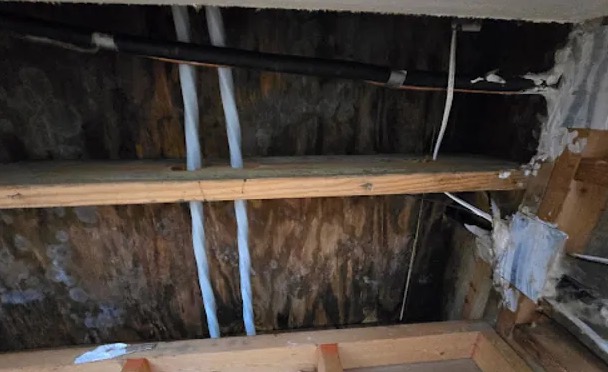
Dark streaks or spots on rafters and roof decking show where water has been running or sitting for a while.
How Roof Leak Water Removal Works in Taneytown
Step 1: Assess the Leak
The pros look at the roof, attic and ceilings to see how long the leak has been running and what it has soaked.
Step 2: Remove Water and Debris
Water, wet insulation and fallen drywall are cleared out so the attic and room below can dry evenly.
Step 3: Clean Wet Surfaces
Wood and drywall that stayed wet for a day or more are cleaned and treated before drying to limit odor and mold.
Step 4: Monitor Until Dry
Readings are taken on each visit and the equipment is moved as areas dry, until every wet spot reaches its target.
What Causes Roof Leaks in Taneytown Homes
Attic Condensation
Warm, humid indoor air meeting a cold roof deck in winter forms frost and drips that can look like a leak and soak insulation.
Cracked Vent Boots
The rubber collars around plumbing vents dry out and split with age, letting rain drip down the pipe into the attic.
Storm Debris and Hail
Falling branches and hail can crack shingles or puncture the deck, opening a direct path for rain into the attic.
Damaged or Missing Shingles
Wind, age and impact lift or tear shingles and leave the underlayment exposed, so rain soaks straight into the decking.
Roof Leak Water Removal for Every Property in Taneytown, MD
Residential Roof Leak Water Removal
Attic work in a house is tight. Local water damage pros in Taneytown work from the joists, remove wet insulation and dry the ceiling drywall without stepping through it.
Commercial Roof Leak Water Removal
Leaks over stores and offices can wet stock, desks and electronics. The pros move contents out of the drip zone, extract the water and set up drying for the affected suites.
When a Roof Leak Is Too Big for DIY
Take photos and video of the ceiling, attic and wet belongings before anything is moved or thrown out. Your insurer will want them for the claim.
Pricing Roof Leak Water Removal in Taneytown
Leaks found early cost less to clean up. Water that sat for a long time can mean more drywall and insulation to replace and longer drying.
Drying Time
Each extra day of air movers, dehumidifiers and moisture checks adds to the cost, so wet wood that dries slowly costs more.
Insulation Removal
Bagging and hauling soaked insulation takes labor, and the attic needs new insulation once the framing is dry.
Size of the Wet Area
The square footage of wet attic, ceiling and wall sets how much equipment is needed and how long it runs.
Does Insurance Cover Roof Leak Water Removal?
Many homeowner policies cover sudden roof leaks caused by a storm or falling tree, but not leaks from wear and age. Your insurer decides what is covered.
Why Professional Roof Leak Water Removal Pays Off
Finding Hidden Water
Thermal cameras and moisture meters find wet insulation and wall cavities that are not visible from the room below.
Wet Insulation Handled
Soaked insulation is bagged and removed so the ceiling and framing can dry instead of staying damp under it.
Drying to Measured Targets
Drying stops only when meters show the wood and drywall are dry, not when the surface looks dry.
Roof Leaking Right Now in Taneytown?
Do not wait for a dry day to deal with a roof leak. Call (410) 237-0394 24/7 to stop the water and start drying the attic and ceilings.
Call Now (410) 237-0394Areas Served for Roof Leak Water Removal Near Taneytown
From Taneytown to Westminster, Manchester and Hampstead, roof leak cleanup follows the same steps: stop the water, remove it from the attic and dry the structure.
- Roof Leak Water Removal in Westminster
- Roof Leak Water Removal in Manchester
- Roof Leak Water Removal in Hampstead
- Roof Leak Water Removal in Mount Airy
- Roof Leak Water Removal in Eldersburg
- Roof Leak Water Removal in Sykesville
- Roof Leak Water Removal in Frederick
- Roof Leak Water Removal in Reisterstown
- Emergency Damage Restoration in 21787
- Storm Damage Restoration in 21787
- Water Damage Restoration in 21787
- Water Extraction Service in 21787
- Water Leak Detection in 21787
- Water Removal Service in 21787
Common Questions After a Roof Leak
Why should rainwater be removed from the attic quickly?
Water in the attic soaks through the ceiling into the rooms below and keeps the framing wet. Removing it early limits drywall and insulation losses.
What does emergency roof tarping involve?
A heavy tarp is laid over the damaged area and fastened down so rain stops coming in. It stays until a roofer makes the permanent repair.
How soon should water removal start after a roof leak?
As soon as possible. Wet drywall and insulation can start to grow mold in 24 to 48 hours, and a ceiling holding water can sag and fall.
Does every roof leak lead to mold?
No. Mold needs materials to stay wet for a day or more. When water is removed and the attic is dried promptly, mold usually does not take hold.
Can my belongings be saved after a roof leak?
Many can. Furniture and boxes are moved out of the drip zone and dried. Items that soaked for a long time or are badly stained may not be worth saving.