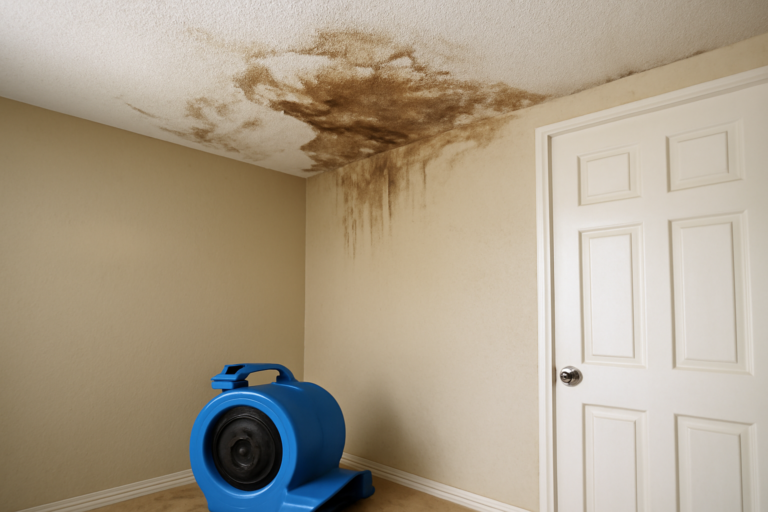
Trusted by 195+ Homeowners
Septic Tank Backup Water Removal in Aspen Hill, MD
- Over 197 5-Star Reviews
- Free Estimates and Quotes
- 100% Satisfaction Guaranteed
- Child, Family & Pet Safe Steps
- 24-Hour Emergency Service
- Fully Licensed & Insured

Septic Tank Backup Water Removal in Aspen Hill, MD: Protect Your Property from the Risks of Heavy Rains
Aspen Hill, MD experiences an average of 4.5 inches of rainfall each month, with some months seeing as much as 7 inches. When the ground is saturated, it can’t absorb the excess water, leading to backup into your septic tank and potentially causing costly damage to your property. You might not realize it, but your septic system is vulnerable to backup from heavy rainfall, which can result in standing water, sewage odors, and even health risks. We’ve helped many homeowners in the area like you prevent and respond to septic tank backup water removal issues. Our team has the expertise and equipment to restore your property quickly and effectively. Don’t let septic backup ruin your day; call us before it’s too late.
With over 165 five-star reviews from satisfied customers, you can trust our team to handle your septic tank backup water removal needs. Locally owned and operated, we’re committed to providing top-notch service and ensuring your property is restored to its original condition. Our technicians are IICRC certified and have the training and experience to tackle even the toughest septic backup jobs. You’re in good hands with our team.
- We offer fast and efficient septic tank backup water removal services, with most jobs completed within 60 minutes.
- Our team uses state-of-the-art equipment to remove standing water and prevent further damage to your property.
- We provide free estimates and work with your insurance company to ensure you’re covered for the costs of septic backup water removal.
How Our Septic Tank Backup Water Removal Process Works
When you call us for septic tank backup water removal, our team springs into action. We understand the importance of a proper process in preventing further damage and ensuring your property is restored to its original condition. Our technicians will assess the situation, use specialized equipment to remove standing water, and take steps to prevent future backups. It’s not a small job, and it needs a team of experts with the right training and equipment. Our process is designed to get your property back to normal as quickly as possible.
Step 1: Assessment and Planning
Our team will arrive on-site and assess the situation to find out the best course of action. We’ll identify the source of the backup and develop a plan to remove standing water and prevent further damage. This is where experience and expertise come into play, as our technicians know exactly what to look for and how to proceed. We’ll get to work right away to reduce the impact on your daily life.
Step 2: Water Removal
Using specialized equipment, our team will remove standing water from your property, including any affected areas such as your septic tank, drainfield, and surrounding soil. This is a critical step in preventing further damage and ensuring your property is safe and healthy. Our equipment is designed to remove water quickly and efficiently, reducing the risk of further damage. We’ll get the water out fast so you can get back to normal.
Step 3: Debris Removal
Once the water is removed, our team will clean up any debris or sewage that’s been left behind. This includes removing any affected materials, disinfecting the area, and ensuring your property is safe and healthy. Our technicians are trained to handle even the toughest debris removal jobs, and we’ll leave your property looking like new. We’ll leave your property spotless and safe for you and your family.
Step 4: Preventative Measures
Finally, our team will take steps to prevent future backups and ensure your property is protected from the risks of heavy rainfall. This may include installing a backup sump pump, repairing or replacing damaged pipes, or taking other preventative measures to safeguard your property. Our technicians are experts in septic system maintenance and will work with you to develop a plan that meets your needs and budget. We’ll help you prevent future backups and keep your property safe and healthy.
Don’t wait until it’s too late; call us today to schedule your septic tank backup water removal service. Our team is ready to help you protect your property and get back to normal quickly and efficiently.
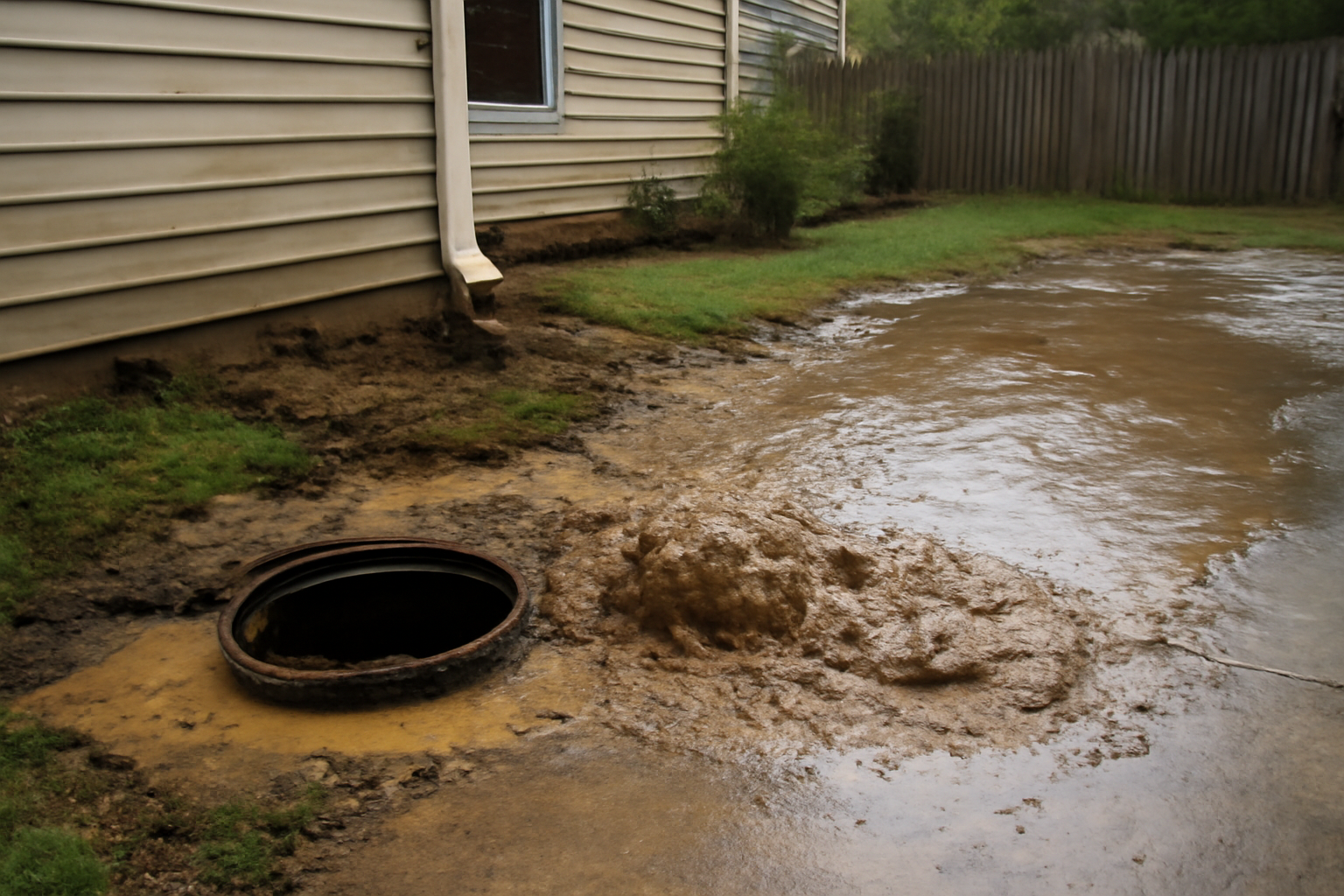
Warning Signs You Need Septic Tank Backup Water Removal
Catching these signs early can save you money and prevent bigger problems down the line. Don’t ignore the following warning signs, as they can show a septic tank backup is imminent. Our team is here to help you identify and address these issues before they become major problems.
Musty Odors That Won’t Go Away
If you notice a persistent, unpleasant odor in your home or yard, it may be a sign of a septic tank backup. These odors can be caused by a variety of factors, including a clogged drainfield or a damaged septic tank. Don’t ignore the smell; it could be a sign of a bigger problem.
Slow Drains or Clogged Toilets
If your drains are slow or your toilets are clogged, it may be a sign of a septic tank backup. These issues can be caused by a variety of factors, including a clogged drainfield or a damaged septic tank. Don’t wait until it’s too late; call us today to schedule a septic tank inspection.
Standing Water or Puddles
If you notice standing water or puddles in your yard, it may be a sign of a septic tank backup. These issues can be caused by a variety of factors, including a clogged drainfield or a damaged septic tank. Don’t ignore the water; it could be a sign of a bigger problem.
Sewage Backup into Your Home
If you experience a sewage backup into your home, it’s a clear sign that your septic tank is backing up. This is a serious issue that needs immediate attention. Don’t wait until it’s too late; call us today to schedule a septic tank inspection and repair.
Unusual Noises or Gurgling Sounds
If you notice unusual noises or gurgling sounds coming from your drains or septic tank, it may be a sign of a backup. These issues can be caused by a variety of factors, including a clogged drainfield or a damaged septic tank. Don’t ignore the noise; it could be a sign of a bigger problem.
Unpleasant Slime or Mud
If you notice unpleasant slime or mud around your septic tank or drainfield, it may be a sign of a backup. These issues can be caused by a variety of factors, including a clogged drainfield or a damaged septic tank. Don’t ignore the slime; it could be a sign of a bigger problem.
Septic Tank Backup Water Removal vs. DIY: When To Call a Professional
| Situation | DIY? | Call a Pro? | Why |
|---|---|---|---|
| Standing water or puddles in your yard | Yes, if you have the right equipment and knowledge | No, if you don’t know what you’re doing | If you don’t know how to properly remove standing water and prevent further damage, it’s best to call a professional. |
| Slow drains or clogged toilets | Yes, if you have the right tools and knowledge | No, if you don’t know how to fix the issue | If you don’t know how to properly diagnose and fix the issue, it’s best to call a professional. |
| Sewage backup into your home | No, this is a serious issue that needs immediate attention from a professional | Yes, call a professional immediately | If you experience a sewage backup into your home, it’s a clear sign that your septic tank is backing up and needs immediate attention. |
| Unusual noises or gurgling sounds | Yes, if you have the right tools and knowledge | No, if you don’t know how to fix the issue | If you don’t know how to properly diagnose and fix the issue, it’s best to call a professional. |
| Unpleasant slime or mud | Yes, if you have the right equipment and knowledge | No, if you don’t know how to fix the issue | If you don’t know how to properly remove the slime or mud and prevent further damage, it’s best to call a professional. |
While some DIY solutions may seem like a cost-effective option, they can often lead to more problems down the line. If you’re unsure about how to handle a septic tank backup issue, it’s always best to call a professional. Our team has the expertise and equipment to handle even the toughest septic backup jobs, and we’ll ensure your property is safe and healthy. Don’t risk it; call us today to schedule your septic tank backup water removal service.
Septic Tank Backup Water Removal Cost in Aspen Hill, MD
The cost of septic tank backup water removal in Aspen Hill, MD can vary based on the severity of the issue, the size of the affected area, and local conditions. Our team provides free estimates and works with your insurance company to ensure you’re covered for the costs of septic backup water removal. We understand that this is a stressful and costly situation, and we’ll work with you to develop a plan that meets your needs and budget. Don’t wait until it’s too late; call us today to schedule your septic tank backup water removal service.
| Service | Typical Price Range | What Affects Cost |
|---|---|---|
| Septic Tank Inspection and Repair | $500 – $2,500 | Severity of issue, size of affected area, local conditions |
| Standing Water Removal | $1,000 – $5,000 | Size of affected area, type of equipment needed |
| Debris Removal and Cleanup | $500 – $2,000 | Type of debris, size of affected area |
| Preventative Measures (Backup Sump Pump, etc.) | $1,000 – $5,000 | Type of measure, size of affected area |
| Insurance Claim Help | $0 – $1,000 | Severity of issue, type of insurance coverage |
| Free Estimate and Consultation | $0 | None |
Exact pricing will depend on an on-site assessment and may vary based on the severity of the issue, the size of the affected area, and local conditions. Our team provides free estimates and works with your insurance company to ensure you’re covered for the costs of septic backup water removal. Don’t wait until it’s too late; call us today to schedule your septic tank backup water removal service.
Service Areas Near Aspen Hill, MD
We serve the following areas: Aspen Hill, MD, Gaithersburg, MD, Germantown, MD, Bethesda, MD, Rockville, MD, Potomac, MD, Chevy Chase, MD, Olney, MD, Silver Spring, MD, Wheaton, MD, Glenmont, MD, Takoma Park, MD, Langley Park, MD, Hyattsville, MD, College Park, MD, Riverdale Park, MD, University Park, MD, Beltsville, MD, Calverton, MD, Adelphi, MD, College Park, MD, Greenbelt, MD, Bladensburg, MD, College Park, MD, Hyattsville, MD, Landover, MD, New Carrollton, MD, Riverdale Park, MD, University Park, MD, Adelphi, MD, College Park, MD, Greenbelt, MD, Bladensburg, MD, College Park, MD, Hyattsville, MD, Landover, MD, New Carrollton, MD, Riverdale Park, MD, University Park, MD.
Common Questions About Septic Tank Backup Water Removal
Q: What causes septic tank backup water removal?
A: Septic tank backup water removal is typically caused by heavy rainfall, which can overwhelm the septic system and cause backup into your home. Other factors, such as clogged drainfields or damaged septic tanks, can also contribute to this issue. Our team is here to help you identify and address these problems before they become major issues.
Q: How long does septic tank backup water removal take?
A: The length of time it takes to complete septic tank backup water removal can vary depending on the severity of the issue and the size of the affected area. Our team is committed to getting your property back to normal as quickly as possible, and we’ll work with you to develop a plan that meets your needs and budget. We’ll get the job done fast so you can get back to normal.
Q: Is septic tank backup water removal expensive?
A: The cost of septic tank backup water removal can vary based on the severity of the issue, the size of the affected area, and local conditions. Our team provides free estimates and works with your insurance company to ensure you’re covered for the costs of septic backup water removal. We understand that this is a stressful and costly situation, and we’ll work with you to develop a plan that meets your needs and budget. Don’t wait until it’s too late; call us today to schedule your septic tank backup water removal service.
Q: Can I prevent septic tank backup water removal?
A: Yes, there are steps you can take to prevent septic tank backup water removal. Our team recommends regular septic system maintenance, including inspections and pumping, to ensure your system is functioning properly. We also recommend installing a backup sump pump and taking other preventative measures to safeguard your property. Don’t wait until it’s too late; call us today to schedule your septic tank inspection and maintenance.
Q: What happens if I ignore septic tank backup water removal?
A: If you ignore septic tank backup water removal, you may be putting your property and your family’s health at risk. Septic backup can cause standing water, sewage odors, and even health risks. Our team is here to help you identify and address these problems before they become major issues. Don’t risk it; call us today to schedule your septic tank backup water removal service.
Check Our Other Relevant Services

𝗛𝗮𝗿𝗿𝘆 𝗕𝗿𝘆𝗮𝗻𝘁: 𝗗𝗮𝗺𝗮𝗴𝗲 𝗥𝗲𝘀𝘁𝗼𝗿𝗮𝘁𝗶𝗼𝗻 𝗔𝘂𝘁𝗵𝗼𝗿𝗶𝘁𝘆
Harry Bryant is a licensed property recovery specialist with over 20 years of hands-on experience in the disaster restoration industry. As a veteran in the field, Harry is recognized for his technical precision and authoritative knowledge, helping residential and commercial clients navigate the complexities of structural recovery while adhering to the highest safety and compliance standards.
𝗖𝗲𝗿𝘁𝗶𝗳𝗶𝗰𝗮𝘁𝗶𝗼𝗻𝘀: Harry is highly credentialed through the IICRC, holding specialized certifications in Water Damage Restoration (WRT), Mold Remediation (AMRT), Applied Structural Drying (ASD), Odor Control (OCT), and Fire and Smoke Restoration (FSRT).
𝗙𝗮𝘃𝗼𝗿𝗶𝘁𝗲 𝗣𝗮𝘀𝘁𝗶𝗺𝗲: An avid fly-fisherman and woodworking enthusiast, Harry enjoys spending his weekends on the river or in his shop crafting custom furniture for his family.
𝗕𝗲𝘀𝘁 𝗣𝗮𝗿𝘁 𝗼𝗳 𝘁𝗵𝗲 𝗝𝗼𝗯: Harry finds the most reward in the “restoration of peace.” He prides himself on being a steady, calming presence for families in crisis, guiding them through the recovery process to ensure their home is once again a safe haven.