Baltimore, MD · Greater Baltimore
Storm Damage Restoration in Baltimore, MDStorm Flood Water Extraction & Structural Drying Dehumidification
Storm Damage Restoration in Baltimore covers water damaged drywall removal, structural drying dehumidification and post storm mold prevention.
Answered 24/7
What Is Storm Damage Restoration in Baltimore?
In Baltimore, wind-damaged windows, siding and roofing keep letting water in with every rain until they are properly closed up.
In Baltimore and nearby Baltimore Highlands, Lansdowne and Brooklyn Park, local storm damage repair pros handle everything from wind-driven rain to fallen trees, stabilizing the structure and starting the drying.
The Storm Damage Restoration Process in Baltimore
Storm Flood Water Extraction
Industrial pumps and extractors remove standing storm water room by room, so drying starts sooner in Baltimore.
Structural Drying Dehumidification
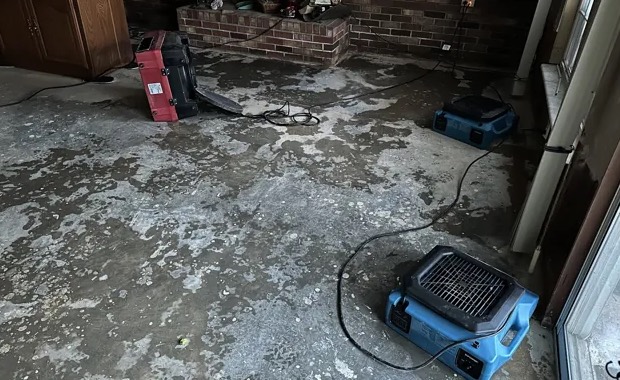
After extraction, water stays in walls and floors. Local storm damage repair pros place air movers and dehumidifiers to dry them and help prevent warping and mold.
Wind Damage Window Board Up
Broken windows let in rain and intruders. The pros in Baltimore cover them with weather-resistant boards until the glass is replaced.
Emergency Roof Leak Repair
Pros find where the water is getting in, seal it temporarily and take moisture readings below, so repairs in Baltimore cover all the damage.
Post Storm Mold Prevention
Once moisture readings confirm the framing and subfloor are dry, antimicrobials are applied to porous surfaces.
Symptoms Demanding Storm Damage Restoration
Windows Drafts or Damage
Drafts, cracked glass or broken seals after a storm let in rain and should be covered.
Puddles in Basement or Crawlspace
Standing water in a basement or crawl space after heavy rain needs extraction before it damages the foundation or grows mold.
Persistent Damp Odors
A lingering earthy smell after a storm means trapped moisture in walls or floors that needs drying out.
Water Stains on Ceiling
Dark patches or drips on the ceiling after a storm mean the roof is leaking.
How Storm Damage Restoration Works in Baltimore
Step 1: Secure the Structure
Temporary roof repairs and boarded openings make the property safe to work in.
Step 2: Extract All Storm Water
Pumps and extractors remove water from every affected area, including carpet, pad and subfloor.
Step 3: Dry Building Materials Completely
Moisture meters guide the drying plan so hidden wall and floor cavities are dried too.
Step 4: Repair and Finalize Restoration
Exterior siding and trim are repaired, the interior is rebuilt and a final walkthrough confirms the work.
Frequent Storm Damage Triggers for Baltimore
Prolonged Moisture After Storms
Materials that stay damp after a storm swell, rot and grow mold.
Pressure Differential Wind Damage
Strong winds create pressure differences that can lift roofs and blow out windows.
Heavy Rain and Roof Leaks
Heavy downpours overwhelm roofs and flashing and push water into attics and ceilings.
Driving Rain Through Openings
Wind-driven rain gets in around damaged windows, doors and vents and soaks insulation and drywall.
Property Storm Damage Restoration in Baltimore: Residential and Commercial
Residential Storm Damage Restoration
At home, pros board up windows, extract water from carpets and lower rooms and dry the structure from the roof down.
Commercial Storm Damage Restoration
In offices and stores, pros extract water across large floors, dry inventory areas and treat surfaces to help prevent mold.
DIY or Professional Storm Damage Restoration in Baltimore?
Light debris on walkways and patios can be cleared with gloves once the storm passes. If large branches are on the roof or windows are broken, call the pros.
Understanding Storm Damage Restoration Expenses in Baltimore
In Baltimore, cost depends on how contaminated the storm water is and how much repair the property needs afterward.
Repair Material Quality
The grade of replacement siding, trim or drywall chosen for the repair changes the cost.
Property Size and Layout
Larger homes and complex commercial buildings have more to dry and repair.
Damage Severity and Scope
The size of the storm and the square footage affected set the labor and time needed.
Does Insurance Cover Storm Damage Restoration?
There is no single answer. Pros in Baltimore assess the damage and record what they find so you have evidence for your claim.
What to Ask Before Hiring for Storm Damage Restoration in Baltimore
24/7 Emergency Response
Water extraction and board-up are available at any hour, before more rain gets in.
Proactive Mold Prevention
EPA-registered antimicrobials applied after drying help slow mold growth on surfaces that were wet.
Methodical Repair Planning
Siding, trim and drywall repairs are planned after the structure is dry.
Urgent Storm Damage Restoration Available in Baltimore
Need storm water removal or board-up right now? Call the pros at (410) 237-0394 any time, day or night, to protect the rest of the house.
Call Now (410) 237-0394Storm Damage Restoration Service Area for Baltimore, Baltimore Highlands, Lansdowne and Brooklyn Park
After damaging storms in Baltimore and nearby Baltimore Highlands, Lansdowne and Brooklyn Park, storm damage restoration covers everything from assessment to mold prevention.
Your Storm Damage Restoration Questions Addressed
Can wet drywall be saved after storm damage?
Soaked drywall usually has to be removed because it weakens and can grow mold. Readings show whether any sections can be dried.
Is exterior repair part of storm damage restoration?
Yes. Siding and trim repair usually come after drying and cleanup to close up the building.
How is the need for drywall removal determined?
Moisture probes and a visual check. Swollen, soft or contaminated drywall is usually replaced.
What happens during storm damage debris removal?
Pros remove storm debris, ruined insulation, damaged drywall and other materials that cannot be saved.
What's the difference between water removal and drying?
Water removal pulls out standing water. Drying then removes the moisture left in materials and air.
Additional Property Restoration in Baltimore
- Debris Removal after Storms
- Disaster Recovery Planning
- Disaster Response & Recovery Services
- Emergency Storm Cleanup Services
- Emergency Tarping
- Hail Damage Restoration
- Hurricane Response Services
- Ice Dam Removal & Repair
- Lightning Strike Damage Repair
- Sandbagging Flood Barrier Installation
- Snow and Ice Storm Damage Cleanup
- Temporary Fencing Installation
- Temporary Power and Climate Control
- Tornado Damage Cleanup
- Tree Removal from Structures
- Wind Damage Repair