Baltimore, MD · Greater Baltimore
Structural Drying & Dehumidification in Baltimore, MDCrawl Space Dehumidification & Ceiling Cavity Drying
Structural Drying & Dehumidification in Baltimore includes hardwood floor drying, ceiling cavity drying and concrete slab drying.
Answered 24/7
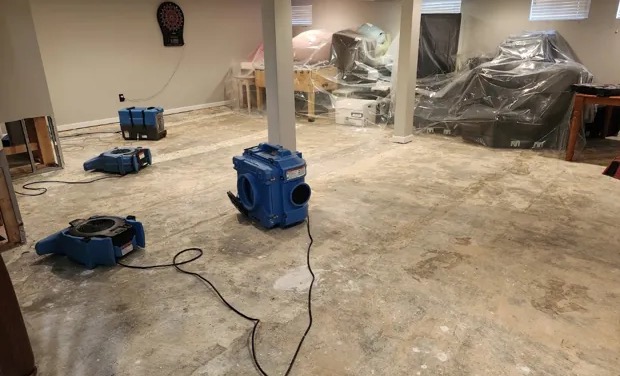
Professional Structural Drying & Dehumidification in Baltimore, MD
After water gets into a building in Baltimore, wet framing, drywall and subfloors start to swell, warp and rot within days. Local structural drying pros use industrial dehumidifiers and air movers to dry wall cavities, subfloors and other hidden areas.
Water-damaged properties in Baltimore and nearby areas like Baltimore Highlands, Lansdowne and Brooklyn Park often have hidden moisture in wall cavities, subfloors or slabs. Local structural drying pros dry these areas and can explain each step before work begins.
Complete Structural Drying & Dehumidification Solutions for Baltimore
Crawl Space Dehumidification
High humidity in a crawl space damages subfloor framing and affects the air in the house above.
Ceiling Cavity Drying
Pros dry water from roof leaks above ceilings with ventilation and desiccant dehumidifiers before drywall sags.
Subfloor Moisture Extraction
Specialized systems pull water up and out of the subfloor until it reaches a dry reading.
Wet Wall Cavity Drying
Fast drying keeps framing from rotting and saves drywall that would otherwise be torn out.
Concrete Slab Drying
Pros draw water out of saturated slabs with specialized systems so new flooring adhesive does not fail later.
Warning Signs You Need Structural Drying & Dehumidification
Musty Odors Lingering
A damp smell that lingers points to hidden moisture in wall cavities or under floors.
Expanded or Swollen Wood
Swollen door frames or cabinets show that wood has absorbed water and needs drying.
Warped or Buckling Floors
Hardwood or laminate that warps or buckles has water trapped underneath it.
High Indoor Humidity
A clammy feel indoors after a leak shows humidity is too high for materials to dry.
How Structural Drying & Dehumidification Works in Baltimore
Step 1: Initial Water Extraction
Standing water is extracted from floors and surfaces so it stops soaking into materials.
Step 2: Dehumidification and Air Movement
Pros balance dehumidifiers and air movers to drive moisture out of cavities and materials.
Step 3: Detailed Cavity Drying
Hidden areas like ceiling cavities and subfloors get targeted drying tools and airflow.
Step 4: Completion and Documentation
Final dryness levels are recorded and provided for your records and insurance claim.
What Leads to Structural Drying Needs in Baltimore
Firefighting Water Damage
Water used to put out a fire soaks deeply into framing, drywall and insulation.
Poor Ventilation and Humidity
Poor airflow in bathrooms or crawl spaces keeps materials damp month after month.
Roof Leaks During Storms
Wind-driven rain or damaged shingles let water into the attic and ceiling cavities.
Plumbing Leaks or Bursts
A broken pipe or leaking fixture can soak walls and floors in a short time.
Both Residential & Commercial Structural Drying & Dehumidification in Baltimore
Residential Structural Drying & Dehumidification
At home, pros dry wall cavities, hardwood floors and crawl spaces to protect your family's health and the value of the house.
Commercial Structural Drying & Dehumidification
For businesses, pros dry slabs, ceiling cavities and building materials to cut downtime in offices, stores and warehouses.
Hiring Local Pros for Structural Drying & Dehumidification in Baltimore
For minor spills, wipe up surface water with towels and mops. If water has soaked into drywall, flooring or subfloors, call the pros to dry the hidden moisture.
Understanding Structural Drying & Dehumidification Expenses in Baltimore
A tight crawl space may need special equipment, and the number of air movers and dehumidifiers affects the price.
Affected Square Footage
Larger wet areas need more drying equipment and labor, which raises the cost.
Secondary Damage Prevention
Faster drying with extra equipment, used to prevent lasting damage, adds to the cost.
Emergency Service Timing
Work started at night, on weekends or on holidays may be priced higher than weekday work.
Does Insurance Cover Structural Drying & Dehumidification?
Insurance may cover drying when a covered event like a storm caused the damage, while gradual leaks are often excluded. Confirm with your insurer before work begins.
Why Choose Local Pros for Structural Drying & Dehumidification in Baltimore
IICRC-Standard Drying Methods
Drying follows accepted industry methods so materials reach measured dry targets before work ends.
Targeted Crawl Space Dehumidification
Crawl spaces with standing water or high humidity get equipment suited to tight areas.
24/7 Emergency Response
Help is available around the clock, so drying can start soon after water gets in.
24/7 Emergency Structural Drying & Dehumidification in Baltimore
When water gets into your home, acting fast limits the damage. For drying in Baltimore, call (410) 237-0394; ceiling and subfloor drying is available at any hour.
Call Now (410) 237-0394Locations for Structural Drying & Dehumidification Around Baltimore
Emergency drying and dehumidification are available in Baltimore and nearby places like Baltimore Highlands, Lansdowne and Brooklyn Park to prevent lasting damage.
Structural Drying & Dehumidification Common Questions Answered
How does concrete slab drying work?
Dehumidifiers lower the air humidity, which pulls moisture up through the concrete, sometimes with drying mats too.
Why does quick action matter for water damage drying?
Materials absorb water soon after a leak starts, so quick action limits the wet area and shortens repairs.
How is moisture extraction measured and verified?
Moisture meters check materials and air, and drying is complete when readings meet dry standards for each material.
What is the goal of building material drying?
Bringing wet materials back to normal moisture levels so they keep their strength and do not need replacing.
What is involved in the structural drying process?
Measuring moisture, placing air movers and dehumidifiers and checking progress until materials reach dry standards.