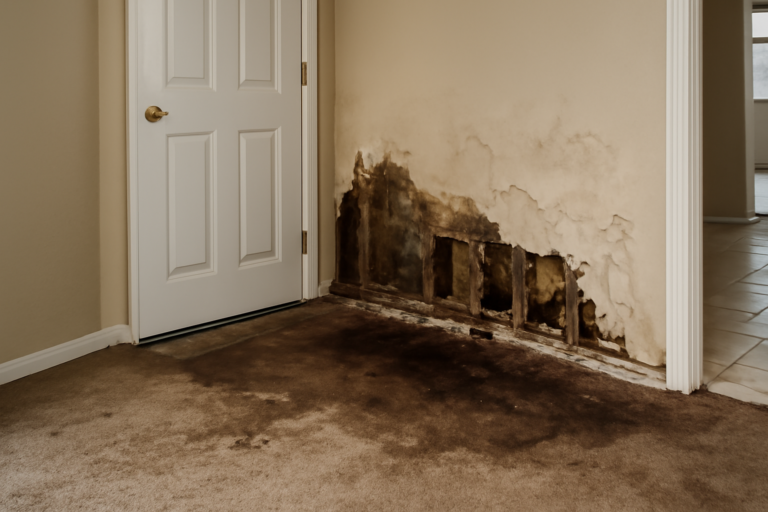
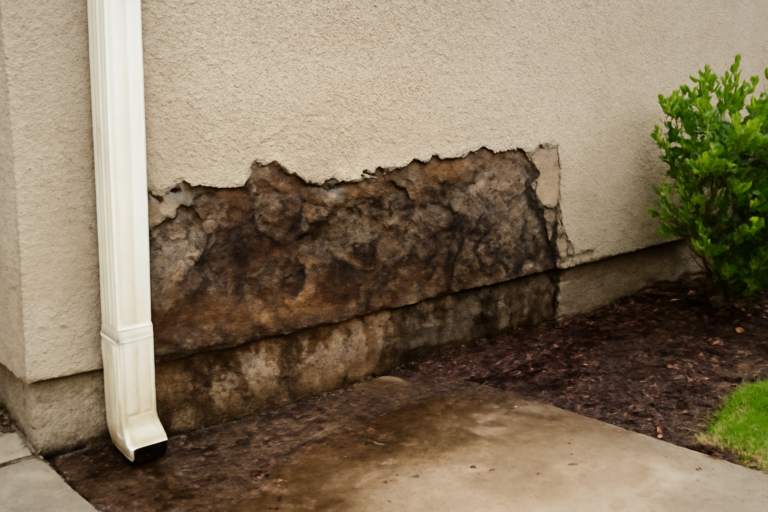
Trusted by 195+ Homeowners
Subfloor Water Extraction in Severn, MD
- Over 197 5-Star Reviews
- Free Estimates and Quotes
- 100% Satisfaction Guaranteed
- Child, Family & Pet Safe Steps
- 24-Hour Emergency Service
- Fully Licensed & Insured
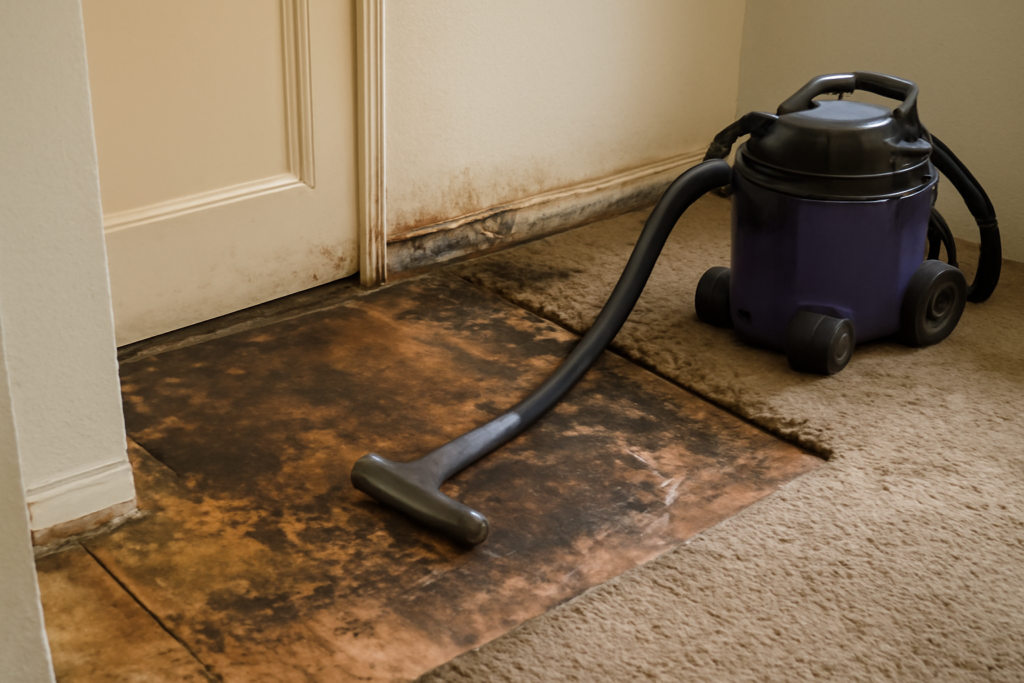
When Water Damage Hits Your Subfloor, You’re Looking at Thousands in Unnecessary Costs
Did you know that in Severn, MD, insurance companies often reject subfloor water extraction claims because they can’t verify the damage? You’re at risk of paying out-of-pocket for up to 80% of the costs, which can easily exceed $10,000. That’s why it’s crucial to hire a team that knows how to document and communicate the extent of the damage to your insurance provider, saving you thousands in the long run. Our team has helped over 165 homeowners in the area, and we’ll do the same for you.
Our crew’s extensive training and IICRC certification ensure that every subfloor water extraction job is done right the first time, every time. You can trust us to restore your property to its original condition, without breaking the bank. Our clients rave about our service, and we’re proud to have a 5-star rating from the community.
- Our team extracts water efficiently, reducing drying time and preventing secondary damage.
- We use specialized equipment to remove standing water, reduce humidity, and prevent mold growth.
- Our technicians document the damage and create a detailed report for your insurance provider, ensuring a smooth claims process.
The Subfloor Water Extraction Process: Why It Matters
A subfloor water extraction job needs more than just a wet vacuum and some towels. Our crew follows a strict process to ensure that your property is restored to its original condition. We start by assessing the damage, identifying the source of the water, and extracting as much water as possible. Next, we use specialized equipment to dry the subfloor, walls, and surrounding areas. Finally, we inspect the area to ensure that the job is done right. A proper process saves you time, money, and stress in the long run.
Step 1: Assessment and Water Extraction
We begin by assessing the extent of the damage and identifying the source of the water. Our technicians then extract as much water as possible using specialized equipment, such as water extractors and wet vacuums. This step is crucial in preventing further damage and reducing the risk of mold growth.
Step 2: Drying and Dehumidification
After extracting as much water as possible, we use specialized equipment to dry the subfloor, walls, and surrounding areas. This step is critical in preventing further damage and reducing the risk of mold growth. Our technicians also use desiccant dehumidifiers to remove excess moisture from the air, ensuring a safe and healthy environment.
Step 3: Inspection and Final Touches
Finally, our technicians inspect the area to ensure that the job is done right. We check for any remaining moisture, inspect the subfloor and walls for any signs of damage, and make any necessary repairs. Our goal is to leave your property in better condition than it was before the incident.
Don’t wait until the damage is irreversible. Contact us today to schedule a subfloor water extraction job, and let us handle the rest. Our team is here to help you navigate the claims process and ensure that you’re not left with a hefty bill.

Warning Signs You Need Subfloor Water Extraction
Ignoring warning signs can lead to costly repairs and even health hazards. Here are some common signs that you need subfloor water extraction:
Musty Odors That Won’t Go Away
When you notice a persistent musty smell in your home, it’s a sign that there’s excess moisture in the air or on the subfloor. This can lead to mold growth, which can be hazardous to your health. Our team can help you identify the source of the smell and provide a solution.
Warped or Buckled Flooring
When your flooring starts to warp or buckle, it’s a sign that there’s excessive moisture in the subfloor. This can lead to further damage and even structural issues. Our team can help you assess the damage and provide a solution to prevent further damage.
Water Stains on the Ceiling or Walls
When you notice water stains on your ceiling or walls, it’s a sign that there’s a leak somewhere in your home. This can lead to costly repairs and even health hazards. Our team can help you identify the source of the leak and provide a solution.
Excess Moisture in the Air
When you notice excess moisture in the air, it’s a sign that there’s a problem with the subfloor or the ventilation system. This can lead to mold growth and even health hazards. Our team can help you assess the damage and provide a solution to prevent further damage.
Swollen or Discolored Baseboards
When your baseboards start to swell or change color, it’s a sign that there’s excess moisture in the subfloor. This can lead to further damage and even structural issues. Our team can help you assess the damage and provide a solution to prevent further damage.
Subfloor Water Extraction vs. DIY: When To Call a Professional
| Situation | DIY? | Call a Pro? | Why |
|---|---|---|---|
| Small leak (less than 1 square foot) | Yes | No | You can likely handle a small leak yourself with some basic tools and knowledge. |
| Moderate to large leak (1-5 square feet) | No | Yes | A moderate to large leak needs specialized equipment and expertise to prevent further damage and ensure a safe environment. |
| Water damage affecting multiple rooms or levels | No | Yes | A multi-room or multi-level water damage needs extensive equipment and expertise to prevent further damage and ensure a safe environment. |
| Structural issues (e.g., warped or buckled flooring) | No | Yes | Structural issues need specialized expertise and equipment to prevent further damage and ensure a safe environment. |
| Hidden water damage (e.g., behind walls or under flooring) | No | Yes | Hidden water damage needs specialized equipment and expertise to detect and repair safely. |
| Water damage in high-traffic areas (e.g., kitchens, bathrooms) | No | Yes | High-traffic areas need specialized equipment and expertise to prevent further damage and ensure a safe environment. |
Don’t risk your health and property by trying to tackle a subfloor water extraction job yourself. Contact us today to schedule a professional job, and let us handle the rest.
Subfloor Water Extraction Cost In Severn, MD
The cost of subfloor water extraction varies depending on the severity of the damage, the size of the affected area, and local conditions. Our team provides free estimates and works with your insurance provider to ensure that you’re not left with a hefty bill. Here’s a breakdown of the typical costs associated with subfloor water extraction:
| Service | Typical Price Range | What Affects Cost |
|---|---|---|
| Water extraction and drying | $500 – $2,500 | The cost varies depending on the severity of the damage and the size of the affected area. |
| Desiccant dehumidification | $200 – $1,000 | The cost varies depending on the size of the area and the number of days required. |
| Subfloor and wall repairs | $1,000 – $5,000 | The cost varies depending on the extent of the damage and the materials required. |
| Inspections and testing | $100 – $500 | The cost varies depending on the type and number of tests required. |
Exact pricing depends on an on-site assessment, and we’re happy to provide a free estimate. Contact us today to schedule a subfloor water extraction job, and let us handle the rest.
Service Areas Near Severn, MD
Our team serves the following nearby communities: Glen Burnie, Pasadena, Severna Park, Arnold, Annapolis, Edgewater, Davidsonville, Crownsville, West River, Galesville.
Common Questions About Subfloor Water Extraction
Q: What is subfloor water extraction?
A: Subfloor water extraction is the process of removing water from the subfloor, walls, and surrounding areas after a water damage incident. Our team uses specialized equipment to extract water efficiently, reduce drying time, and prevent secondary damage.
Q: How long does subfloor water extraction take?
A: The length of time required for subfloor water extraction depends on the severity of the damage, the size of the affected area, and local conditions. On average, it takes 3-5 days to complete a subfloor water extraction job. But, some jobs may need longer drying times.
Q: Is subfloor water extraction covered by insurance?
A: In most cases, subfloor water extraction is covered by insurance. Our team works with your insurance provider to ensure that you’re not left with a hefty bill. We’ll help you document the damage and create a detailed report for your insurance provider.
Q: What are the warning signs of subfloor water extraction?
A: The warning signs of subfloor water extraction include musty odors, warped or buckled flooring, water stains on the ceiling or walls, excess moisture in the air, and swollen or discolored baseboards. If you notice any of these signs, contact us immediately to schedule a subfloor water extraction job.
Q: Can I do subfloor water extraction myself?
A: No, it’s not recommended to try subfloor water extraction yourself. This needs specialized equipment and expertise to prevent further damage and ensure a safe environment. Contact us today to schedule a professional job, and let us handle the rest.
Check Our Other Relevant Services

𝗛𝗮𝗿𝗿𝘆 𝗕𝗿𝘆𝗮𝗻𝘁: 𝗗𝗮𝗺𝗮𝗴𝗲 𝗥𝗲𝘀𝘁𝗼𝗿𝗮𝘁𝗶𝗼𝗻 𝗔𝘂𝘁𝗵𝗼𝗿𝗶𝘁𝘆
Harry Bryant is a licensed property recovery specialist with over 20 years of hands-on experience in the disaster restoration industry. As a veteran in the field, Harry is recognized for his technical precision and authoritative knowledge, helping residential and commercial clients navigate the complexities of structural recovery while adhering to the highest safety and compliance standards.
𝗖𝗲𝗿𝘁𝗶𝗳𝗶𝗰𝗮𝘁𝗶𝗼𝗻𝘀: Harry is highly credentialed through the IICRC, holding specialized certifications in Water Damage Restoration (WRT), Mold Remediation (AMRT), Applied Structural Drying (ASD), Odor Control (OCT), and Fire and Smoke Restoration (FSRT).
𝗙𝗮𝘃𝗼𝗿𝗶𝘁𝗲 𝗣𝗮𝘀𝘁𝗶𝗺𝗲: An avid fly-fisherman and woodworking enthusiast, Harry enjoys spending his weekends on the river or in his shop crafting custom furniture for his family.
𝗕𝗲𝘀𝘁 𝗣𝗮𝗿𝘁 𝗼𝗳 𝘁𝗵𝗲 𝗝𝗼𝗯: Harry finds the most reward in the “restoration of peace.” He prides himself on being a steady, calming presence for families in crisis, guiding them through the recovery process to ensure their home is once again a safe haven.