Annapolis, MD · Anne Arundel County
Temperature-Controlled Drying in Annapolis, MDClimate-Controlled Drying Systems & Water Damage Drying Logs
For Temperature-Controlled Drying in Annapolis, local moisture control experts handle thermal drying for water damage, humidity control for restoration, and drying equipment deployment to prevent mold.
Answered 24/7
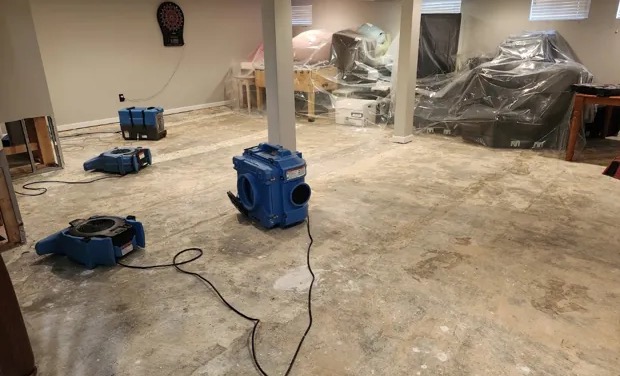
Local Temperature-Controlled Drying Solutions for Annapolis Homes
In Annapolis, moisture that dries unevenly can warp materials and leave hidden mold. Local pros control heat and airflow so drying is even and does not cause more damage.
In Annapolis and nearby Parole, Arnold and Severna Park, local pros take baseline moisture readings, then run air movers and dehumidifiers and log moisture levels as they drop.
Advanced Temperature-Controlled Drying Techniques in Annapolis
Climate-Controlled Drying Systems
Dehumidifiers and air movers keep the air in a contained space warm and dry, so moisture moves out of materials faster.
Water Damage Drying Logs
The experts compile drying logs with moisture maps, photos, and readings. This report documents the system's performance and the materials' response, demonstrating a professional approach.
Thermal Drying for Water Damage
The experts raise the room temperature in a controlled way to drive moisture out of dense materials like concrete slabs and beams, watching readings the whole time.
Rapid Structural Drying Services
The experts aim air movers at wet studs, joists and subfloors to dry the structure safely.
Drying Equipment Deployment
The experts choose the mix of air movers, dehumidifiers and heaters from the size of the area, the materials and the moisture levels, then set it up to run safely.
Warning Signs Requiring Temperature-Controlled Drying in Annapolis
Moisture Meter Shows High Readings
A moisture meter reading high inside walls or floors means drying is not finished.
Paint Peeling or Bubbling Up
Paint loses adhesion and forms bubbles or peels away from the wall. This failure is caused by moisture trapped beneath the paint film.
Condensation on Windows or Surfaces
Excess humidity causes water droplets to form on cold surfaces. This condensation confirms the indoor air has too much moisture.
Soft Drywall or Sagging Ceiling
Drywall feels spongy to the touch or a ceiling sags downward. This softness means the material is saturated and structurally compromised.
How Temperature-Controlled Drying Works in Annapolis
Step 1: Initial Moisture Survey and Readings
Pros take baseline moisture readings across the property to plan the drying.
Step 2: Precision Air Mover Placement
Air movers are placed at set angles and distances to target specific wet materials.
Step 3: Deployment of Drying Systems
Dehumidifiers are sized to the moisture load and the size of the space.
Step 4: Ongoing Monitoring and Adjustment
Equipment is moved and adjusted as materials dry, so drying keeps moving.
Typical Reasons for Drying Needs in Annapolis
Overflowing Sinks or Bathtubs
A simple blockage or forgetfulness leads to an overflow event. Water spreads quickly, soaking cabinetry and flooring, and requires thorough drying equipment deployment.
Roof Leak During Heavy Rain
Wind-driven rain through a damaged roof or flashing can run down inside wall cavities, where it needs targeted drying.
Foundation Cracks and Seepage
Hydrostatic pressure forces groundwater through cracks in the foundation wall. This seepage creates a constant dampness that challenges standard drying technology.
HVAC System Condensation Issues
A clogged condensate drain line causes an overflow inside the air handler. This water can soak insulation and ductwork, creating a hidden moisture issue.
Residential and Commercial Drying in Annapolis, MD
Residential Temperature-Controlled Drying
At home, moisture hides in attics, crawl spaces and behind finished walls. Pros map it before setting up equipment so the whole house dries.
Commercial Temperature-Controlled Drying
In offices, schools and clinics, pros use quieter drying equipment that can run in occupied spaces, and document when drying is complete.
When to Hire Moisture Control Experts for Temperature-Controlled Drying in Annapolis
For a small, recent water spill, use towels to blot surface water and improve air circulation with fans. If water soaks into porous materials like drywall or carpet padding, contact the experts.
Investing in Professional Temperature-Controlled Drying in Annapolis
The experts in Annapolis base cost on the extent of the water damage, the humidity control needed and how long monitoring runs.
Drying Time Required
Longer drying periods for climate-controlled systems mean more equipment runtime and monitoring, impacting the overall cost of the restoration project.
Access and Logistics
Challenging site access in Annapolis can complicate equipment deployment and placement, potentially increasing setup time and labor requirements.
Extent of Water Damage
The larger the area that needs drying, the more equipment and labor the job takes.
Does Insurance Cover Temperature-Controlled Drying?
Coverage is not automatic and depends on your policy. The pros provide humidity readings and equipment logs for your claim file. Your insurer decides what is covered.
Benefits of Local Experts for Temperature-Controlled Drying in Annapolis
Comprehensive Drying Logs
Detailed, chronological logs of moisture readings and equipment settings provide a transparent record of the entire temperature-controlled drying process.
Strategic Equipment Deployment
Air movers and dehumidifiers are placed according to a plan for even airflow and low humidity.
Advanced Moisture Mapping
Moisture meters and thermal cameras find hidden wet pockets so every affected material is dried.
24/7 Temperature-Controlled Drying for Emergencies in Annapolis
Stop water damage from getting worse while materials sit wet. Call (410) 237-0394 24/7 for drying help from the pros in Annapolis.
Call Now (410) 237-0394Temperature-Controlled Drying Serving Annapolis and Nearby Areas
Controlled drying with detailed drying logs is available in Annapolis, and near Parole, Arnold and Severna Park.
- Temperature-Controlled Drying in Parole
- Temperature-Controlled Drying in Arnold
- Temperature-Controlled Drying in Severna Park
- Temperature-Controlled Drying in Crofton
- Temperature-Controlled Drying in Pasadena
- Temperature-Controlled Drying in Green Haven
- Temperature-Controlled Drying in Odenton
- Temperature-Controlled Drying in Ferndale
- Emergency Damage Restoration in 21401
- Storm Damage Restoration in 21401
- Water Damage Restoration in 21401
- Water Extraction Service in 21401
- Water Leak Detection in 21401
- Water Removal Service in 21401
- Emergency Damage Restoration in 21402
- Storm Damage Restoration in 21402
Common Temperature-Controlled Drying Questions Answered
What is the strategy behind air mover placement?
They are angled to move air across wet surfaces in a pattern, so moisture evaporates into the air where dehumidifiers can capture it.
What materials benefit most from controlled drying systems?
Porous structural materials like drywall, wood framing, and concrete, as well as contents like documents and furniture, benefit greatly from controlled, gradual drying to prevent ruin.
How long does the temperature-controlled drying process take?
It depends on the damage, the materials and the conditions. Pros monitor readings and stop when moisture goals are met.
What does drying equipment deployment involve?
Pros assess the loss, calculate how much equipment is needed and place air movers, dehumidifiers and sometimes heaters.
How does humidity control aid in restoration?
Drier air pulls water out of wet materials faster, so lowering humidity speeds up drying.