Chillum, MD · Prince George's County
Temperature-Controlled Drying in Chillum, MDThermal Drying For Water Damage & Air Mover Placement For Drying
In Chillum, Temperature-Controlled Drying from local moisture control experts includes rapid structural drying services, drying equipment deployment, and water damage drying logs for documented recovery.
Answered 24/7
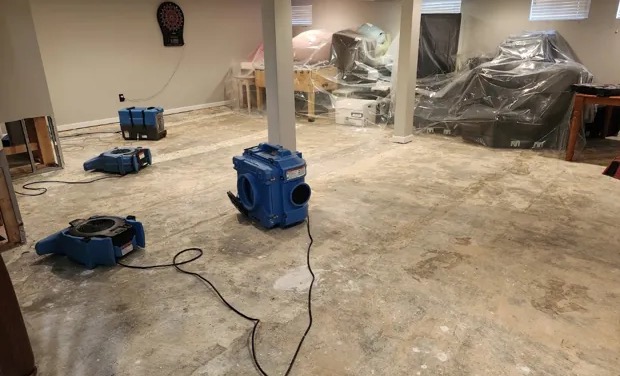
Temperature-Controlled Drying by Local Moisture Control Experts in Chillum
In Chillum, water spreads quickly through wood and concrete. Local pros use controlled heat to drive moisture out of those materials faster.
In Chillum and nearby Takoma Park, Mount Rainier and Hyattsville, fast structural drying stops mold before it starts. Local pros map moisture, then use LGR dehumidifiers and planned air mover placement until readings are normal.
Temperature-Controlled Drying Services in Chillum
Thermal Drying for Water Damage
Controlled heat combats water damage in hard-to-dry areas like enclosed cavities. Expert calibration of drying equipment avoids harm to sensitive contents.
Air Mover Placement for Drying
The experts plan placement around furniture and walls, and may build air dams or blow air into cavities to cut drying time in Chillum homes.
Drying Equipment Deployment
The experts choose the mix of air movers, dehumidifiers and heaters from the size of the area, the materials and the moisture levels, then set it up to run safely.
Humidity Control for Restoration
The experts run dehumidifiers to pull water vapor out of the air, which draws more moisture out of wet surfaces and prevents secondary damage.
Climate-Controlled Drying Systems
The experts set up systems that control temperature, humidity and airflow together, adjusting them as moisture readings change.
Warning Signs Requiring Temperature-Controlled Drying in Chillum
Cold, Damp Feeling in a Room
A room feels noticeably colder and damper than the rest of the house. This sensation is often due to evaporative cooling from wet materials.
Condensation on Windows or Surfaces
Excess humidity causes water droplets to form on cold surfaces. This condensation confirms the indoor air has too much moisture.
Visible Mold Growth in Corners
Black, green or white specks in damp corners or on baseboards are usually mold, which means moisture has been there a while.
Damp Odors Persisting After Water
A musty smell lingers even after visible water is gone, indicating hidden moisture. That odor often signals mold or trapped dampness.
How Temperature-Controlled Drying Works in Chillum
Step 1: Initial Moisture Survey and Readings
Pros take baseline moisture readings across the property to plan the drying.
Step 2: Precision Air Mover Placement
Air movers are placed at set angles and distances to target specific wet materials.
Step 3: Deployment of Drying Systems
Dehumidifiers are sized to the moisture load and the size of the space.
Step 4: Ongoing Monitoring and Adjustment
Equipment is moved and adjusted as materials dry, so drying keeps moving.
Common Causes Requiring Structural Drying in Chillum
Inadequate Initial Water Extraction
Water left behind after a leak or flood moves into subfloors and walls, where it is harder to dry.
Storm-Driven Water Intrusion
Heavy rain overflows gutters or gets in around windows and soaks framing and insulation.
Sprinkler System Activation
A fire sprinkler discharges, releasing a large volume of water quickly. This event saturates entire areas and requires precise air mover placement and strategy.
Poor Ventilation After a Flood
Closing up a wet room traps humid air, which slows drying and lets moisture soak further into materials.
Temperature-Controlled Drying for Homes and Businesses in Chillum
Residential Temperature-Controlled Drying
In condos and apartments, containment barriers and negative air machines keep moisture from moving into neighboring units while drying runs.
Commercial Temperature-Controlled Drying
Restaurants and food service businesses need rapid, sanitary drying to comply with health regulations after a water event. The pros use specialized equipment and antimicrobial treatments during the drying process.
Temperature-Controlled Drying: DIY Risks vs. Professional Care in Chillum
Letting a room air dry for days risks mold and lets moisture wick into nearby materials. Air movers and dehumidifiers dry it in a fraction of the time.
Cost Considerations for Temperature-Controlled Drying in Chillum
In Chillum, the price depends on the square footage, how long drying runs and which drying systems are used.
Moisture Mapping Complexity
Checking moisture in layered floors or hidden cavities takes more time and equipment.
Access and Logistics
Challenging site access in Chillum can complicate equipment deployment and placement, potentially increasing setup time and labor requirements.
Drying Time Required
Longer drying periods for climate-controlled systems mean more equipment runtime and monitoring, impacting the overall cost of the restoration project.
Does Insurance Cover Temperature-Controlled Drying?
The experts in Chillum provide thorough documentation including moisture mapping data to support a homeowner's claim. Coverage decisions belong to the insurer, so property owners should confirm with their provider.
Advantages of Hiring Local Experts in Chillum for Temperature-Controlled Drying
Structural Drying
The focus is on quickly extracting moisture from structural components to minimize warping, swelling, or the potential for mold growth.
Advanced Moisture Mapping
Moisture meters and thermal cameras find hidden wet pockets so every affected material is dried.
Strategic Equipment Deployment
Air movers and dehumidifiers are placed according to a plan for even airflow and low humidity.
24/7 Temperature-Controlled Drying for Emergencies in Chillum
For thermal drying and moisture mapping in Chillum, call (410) 237-0394 for help from the pros, day or night, and ask how they will track moisture until the materials are dry.
Call Now (410) 237-0394Temperature-Controlled Drying Serving Chillum and Nearby Areas
Temperature-controlled drying is available for homes in Chillum and nearby places like Takoma Park, Mount Rainier and Hyattsville.
- Temperature-Controlled Drying in Takoma Park
- Temperature-Controlled Drying in Mount Rainier
- Temperature-Controlled Drying in Hyattsville
- Temperature-Controlled Drying in College Park
- Temperature-Controlled Drying in Silver Spring
- Temperature-Controlled Drying in Bladensburg
- Temperature-Controlled Drying in East Riverdale
- Temperature-Controlled Drying in White Oak
Common Temperature-Controlled Drying Questions Answered
What happens if hidden moisture is not found during mapping?
Undetected moisture can lead to ongoing deterioration, odor issues, and mold growth inside walls or under floors, underscoring the critical need for thorough initial assessment.
What is the strategy behind air mover placement?
They are angled to move air across wet surfaces in a pattern, so moisture evaporates into the air where dehumidifiers can capture it.
What are water damage drying logs used for?
Drying logs are detailed records of moisture readings, equipment settings, and progress; they provide documentation for the restoration process and are often required for insurance claims.
What is temperature-controlled drying?
It is a drying method that controls heat and humidity together to remove moisture from building materials and contents safely and quickly.
How does thermal drying for water damage work?
Thermal drying applies carefully managed heat to increase the evaporation rate of moisture trapped within materials, accelerating the drying process while monitored to prevent damage.