Clinton, MD · Prince George's County
Temperature-Controlled Drying in Clinton, MDThermal Drying For Water Damage & Moisture Mapping
Temperature-Controlled Drying in Clinton includes thermal drying for water damage, rapid structural drying services, and humidity control for restoration managed by local temperature-controlled drying specialists.
Answered 24/7
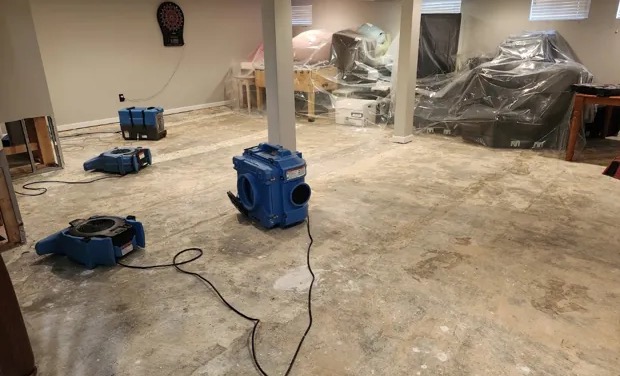
Targeted Temperature-Controlled Drying for Properties in Clinton
In Clinton, slow or uneven drying lets wood rot and drywall soften, which adds cost and keeps you out of your home longer.
In Clinton and nearby Camp Springs, Oxon Hill and Fort Washington, fast structural drying stops mold before it starts. Local pros map moisture, then use LGR dehumidifiers and planned air mover placement until readings are normal.
Comprehensive Temperature-Controlled Drying Solutions for Clinton
Thermal Drying for Water Damage
Controlled heat speeds up drying of wet materials in the Clinton area, which helps prevent swelling wood and failed flooring adhesive.
Moisture Mapping
Moisture mapping uses penetrating and non-penetrating meters to document water migration. This creates a blueprint of wet areas, including hidden moisture behind walls.
Drying Equipment Deployment
Pros set up drying machines with safe power, condensate drainage and placement based on the moisture map.
Climate-Controlled Drying Systems
Advanced systems allow precise manipulation of the drying environment. By controlling the dew point, local temperature-controlled drying specialists can aggressively dry contents without risk.
Humidity Control for Restoration
The specialists run dehumidifiers to pull water vapor out of the air, which draws more moisture out of wet surfaces and prevents secondary damage.
When to Call for Temperature-Controlled Drying in Clinton, MD
Paint Peeling or Bubbling Up
Paint loses adhesion and forms bubbles or peels away from the wall. This failure is caused by moisture trapped beneath the paint film.
Condensation on Windows or Surfaces
Excess humidity causes water droplets to form on cold surfaces. This condensation confirms the indoor air has too much moisture.
Cracking of Plaster or Joints
Plaster or drywall joint tape develops new cracks or fissures. These cracks occur as wet materials swell and then contract during drying.
High Humidity Readings Inside
A hygrometer showing unusually high indoor humidity after water damage means the building is still wet.
How Temperature-Controlled Drying Works in Clinton
Step 1: Assessment and Moisture Detection
The pros perform a thorough assessment using thermal imaging and moisture meters. This identifies the full extent of damage, guiding the drying plan.
Step 2: Containment and Airflow Strategy
Plastic barriers close off the wet area so humidity can be controlled, and air movers are placed to move air across wet materials.
Step 3: Thermal Drying System Activation
Specialized thermal drying equipment is activated to gently raise the air temperature in the space.
Step 4: Verification and Structural Drying Completion
Readings are compared with dry areas of the building to confirm drying is complete.
Causes of Persistent Dampness Requiring Controlled Drying in Clinton
Inadequate Initial Water Extraction
Water left behind after a leak or flood moves into subfloors and walls, where it is harder to dry.
Roof Leak During Heavy Rain
Wind-driven rain through a damaged roof or flashing can run down inside wall cavities, where it needs targeted drying.
Overflowing Sinks or Bathtubs
A simple blockage or forgetfulness leads to an overflow event. Water spreads quickly, soaking cabinetry and flooring, and requires thorough drying equipment deployment.
Poor Ventilation After a Flood
Closing up a wet room traps humid air, which slows drying and lets moisture soak further into materials.
Residential and Commercial Drying in Clinton, MD
Residential Temperature-Controlled Drying
At home, the pros dry wall cavities, subfloors and belongings with air movers and dehumidifiers, and keep drying logs for your insurance review.
Commercial Temperature-Controlled Drying
For businesses, rapid drying minimizes downtime and protects inventory, equipment, and building integrity. Large-scale drying systems are implemented to address moisture in offices, retail spaces, and warehouses.
Temperature-Controlled Drying vs. DIY Drying in Clinton
For a small, recent water spill, use towels to blot surface water and improve air circulation with fans. If water soaks into porous materials like drywall or carpet padding, contact the experts.
Investing in Professional Temperature-Controlled Drying in Clinton
The specialists in Clinton base cost on the extent of the water damage, the humidity control needed and how long monitoring runs.
Equipment Needs
The number and type of air movers, dehumidifiers and heaters used affect the cost.
Documentation Requirements
Detailed drying logs and moisture reports for insurance take extra time to prepare.
Moisture Mapping Complexity
Checking moisture in layered floors or hidden cavities takes more time and equipment.
Does Insurance Cover Temperature-Controlled Drying?
Insurance may help pay for drying if the cause is a covered loss. Pros provide moisture maps and equipment records for your insurer, which makes the coverage decision.
Selecting Local Specialists for Temperature-Controlled Drying in Clinton
24/7 Emergency Response
Quick action is critical to limit secondary damage, and local pros are available around the clock to begin the drying process.
Ongoing Moisture Monitoring
Regular checks with moisture meters verify that drying goals are met, helping ensure no residual dampness remains within walls or floors.
Comprehensive Drying Logs
Detailed, chronological logs of moisture readings and equipment settings provide a transparent record of the entire temperature-controlled drying process.
24/7 Emergency Temperature-Controlled Drying in Clinton
Wet walls and floors keep getting worse until they are dried. Call the pros at (410) 237-0394 to set up drying equipment.
Call Now (410) 237-0394Local Temperature-Controlled Drying Coverage for Clinton, Camp Springs, Oxon Hill and Fort Washington
The pros dry structures and control humidity in Clinton and communities such as Camp Springs, Oxon Hill and Fort Washington.
- Temperature-Controlled Drying in Camp Springs
- Temperature-Controlled Drying in Oxon Hill
- Temperature-Controlled Drying in Fort Washington
- Temperature-Controlled Drying in Glassmanor
- Temperature-Controlled Drying in Suitland
- Temperature-Controlled Drying in Forestville
- Temperature-Controlled Drying in Bowie
- Temperature-Controlled Drying in Landover
- Emergency Damage Restoration in 20735
- Storm Damage Restoration in 20735
- Water Damage Restoration in 20735
- Water Extraction Service in 20735
- Water Leak Detection in 20735
- Water Removal Service in 20735
Frequently Asked Questions About Temperature-Controlled Drying
Can rapid drying technology dry a property too quickly?
Yes, excessive heat or airflow can cause surface crusting, cracking, or other material stress, which is why professional drying balances speed with material-specific safety limits.
What happens if hidden moisture is not found during mapping?
Undetected moisture can lead to ongoing deterioration, odor issues, and mold growth inside walls or under floors, underscoring the critical need for thorough initial assessment.
How does humidity control aid in restoration?
Drier air pulls water out of wet materials faster, so lowering humidity speeds up drying.
When is climate-controlled drying necessary versus regular drying?
Climate-controlled drying is necessary for severe losses, sensitive materials, or when precise environmental control is needed to prevent damage, unlike simple air drying for minor spills.
Can temperature-controlled drying prevent mold growth?
By rapidly removing moisture and controlling humidity, the process creates an environment where mold cannot thrive, significantly reducing the potential for mold.