Middle River, MD · Baltimore County
Temperature-Controlled Drying in Middle River, MDThermal Drying For Water Damage & Climate-Controlled Drying Systems
Temperature-Controlled Drying in Middle River by local temperature-controlled drying specialists includes thermal drying for water damage, climate-controlled drying systems, and rapid structural drying services.
Answered 24/7
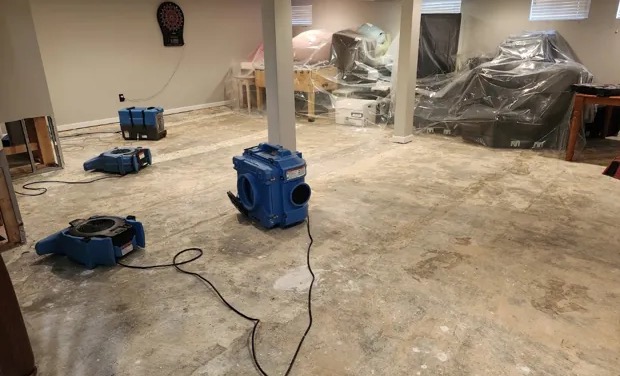
Temperature-Controlled Drying by Local Moisture Control Experts in Middle River
In Middle River, moisture that dries unevenly can warp materials and leave hidden mold. Local pros control heat and airflow so drying is even and does not cause more damage.
In Middle River and nearby Rossville, Essex and Bowleys Quarters, local pros map moisture in walls and subfloors, then fit thermal drying and humidity control to the materials in the building.
Advanced Temperature-Controlled Drying Techniques in Middle River
Thermal Drying for Water Damage
Controlled heat combats water damage in hard-to-dry areas like enclosed cavities. Expert calibration of drying equipment avoids harm to sensitive contents.
Climate-Controlled Drying Systems
The specialists set up systems that control temperature, humidity and airflow together, adjusting them as moisture readings change.
Humidity Control for Restoration
The specialists keep humidity low in properties in the Middle River area, so water evaporates from materials instead of soaking back in.
Water Damage Drying Logs
The specialists compile drying logs with moisture maps, photos, and readings. This report documents the system's performance and the materials' response, demonstrating a professional approach.
Moisture Mapping
Moisture mapping uses penetrating and non-penetrating meters to document water migration. This creates a blueprint of wet areas, including hidden moisture behind walls.
Symptoms Needing Temperature-Controlled Drying in Middle River
Cracking of Plaster or Joints
Plaster or drywall joint tape develops new cracks or fissures. These cracks occur as wet materials swell and then contract during drying.
Moisture Meter Shows High Readings
A moisture meter reading high inside walls or floors means drying is not finished.
Cold, Damp Feeling in a Room
A room feels noticeably colder and damper than the rest of the house. This sensation is often due to evaporative cooling from wet materials.
Discoloration on Drywall or Ceilings
Yellow or brown water stains appear on surfaces that seem dry. These stains suggest moisture is still present inside the wall cavity.
How Temperature-Controlled Drying Works in Middle River
Step 1: Initial Moisture Survey and Readings
Pros take baseline moisture readings across the property to plan the drying.
Step 2: Precision Air Mover Placement
Air movers are placed at set angles and distances to target specific wet materials.
Step 3: Deployment of Drying Systems
Dehumidifiers are sized to the moisture load and the size of the space.
Step 4: Ongoing Monitoring and Adjustment
Equipment is moved and adjusted as materials dry, so drying keeps moving.
Causes of Persistent Dampness Requiring Controlled Drying in Middle River
Overflowing Sinks or Bathtubs
A simple blockage or forgetfulness leads to an overflow event. Water spreads quickly, soaking cabinetry and flooring, and requires thorough drying equipment deployment.
Storm-Driven Water Intrusion
Heavy rain overflows gutters or gets in around windows and soaks framing and insulation.
HVAC System Condensation Issues
A clogged condensate drain line causes an overflow inside the air handler. This water can soak insulation and ductwork, creating a hidden moisture issue.
Poor Ventilation After a Flood
Closing up a wet room traps humid air, which slows drying and lets moisture soak further into materials.
Temperature-Controlled Drying for All Property Types in Middle River
Residential Temperature-Controlled Drying
In condos and apartments, containment barriers and negative air machines keep moisture from moving into neighboring units while drying runs.
Commercial Temperature-Controlled Drying
Restaurants and food service businesses need rapid, sanitary drying to comply with health regulations after a water event. The pros use specialized equipment and antimicrobial treatments during the drying process.
Temperature-Controlled Drying: DIY Risks vs. Professional Care in Middle River
Letting a room air dry for days risks mold and lets moisture wick into nearby materials. Air movers and dehumidifiers dry it in a fraction of the time.
Factors in Temperature-Controlled Drying Pricing for Middle River, MD
In Middle River, cost depends on how complex the moisture mapping is and how much equipment the area needs.
Documentation Requirements
Detailed drying logs and moisture reports for insurance take extra time to prepare.
Drying Time Required
Longer drying periods for climate-controlled systems mean more equipment runtime and monitoring, impacting the overall cost of the restoration project.
Moisture Mapping Complexity
Checking moisture in layered floors or hidden cavities takes more time and equipment.
Does Insurance Cover Temperature-Controlled Drying?
Insurance may help pay for drying if the cause is a covered loss. Pros provide moisture maps and equipment records for your insurer, which makes the coverage decision.
Advantages of Hiring Local Specialists in Middle River for Temperature-Controlled Drying
Ongoing Moisture Monitoring
Regular checks with moisture meters verify that drying goals are met, helping ensure no residual dampness remains within walls or floors.
24/7 Emergency Response
Quick action is critical to limit secondary damage, and the pros are available around the clock to begin the drying process.
Targeted Thermal Drying
Applying directed heat energy safely accelerates the drying of dense materials, reducing the overall timeline for the restoration project.
Emergency Moisture Control in Middle River
For temperature-controlled drying after a leak or flood, call (410) 237-0394 any time. The pros can then start drying the structure.
Call Now (410) 237-0394Temperature-Controlled Drying Serving Middle River and Nearby Areas
Climate-controlled and thermal drying are available in Middle River and surrounding places including Rossville, Essex and Bowleys Quarters.
- Temperature-Controlled Drying in Rossville
- Temperature-Controlled Drying in Essex
- Temperature-Controlled Drying in Bowleys Quarters
- Temperature-Controlled Drying in White Marsh
- Temperature-Controlled Drying in Rosedale
- Temperature-Controlled Drying in Perry Hall
- Temperature-Controlled Drying in Overlea
- Temperature-Controlled Drying in Carney
- Emergency Damage Restoration in 21220
- Storm Damage Restoration in 21220
- Water Damage Restoration in 21220
- Water Extraction Service in 21220
- Water Leak Detection in 21220
- Water Removal Service in 21220
Your Temperature-Controlled Drying Questions Addressed
When is climate-controlled drying necessary versus regular drying?
Climate-controlled drying is necessary for severe losses, sensitive materials, or when precise environmental control is needed to prevent damage, unlike simple air drying for minor spills.
What are the benefits of rapid structural drying services?
Rapid structural drying minimizes the time materials are wet, reducing the risk of swelling, warping, and secondary damage like mold, which helps preserve property value.
Can temperature-controlled drying prevent mold growth?
By rapidly removing moisture and controlling humidity, the process creates an environment where mold cannot thrive, significantly reducing the potential for mold.
Why is moisture mapping important for drying?
Sensors measure moisture across the affected area to show exactly where it is wet, so equipment is aimed at the right spots.
What is the difference between air movers and dehumidifiers?
Air movers evaporate moisture from surfaces into the air, and dehumidifiers pull it back out of the air.