College Park, MD · Prince George's County
Water Damage Assessment in College Park, MDRestoration Scope & Hidden Water Damage Inspection
Water Damage Assessment in College Park involves water leak source detection, moisture mapping, and structural damage inspection.
Answered 24/7
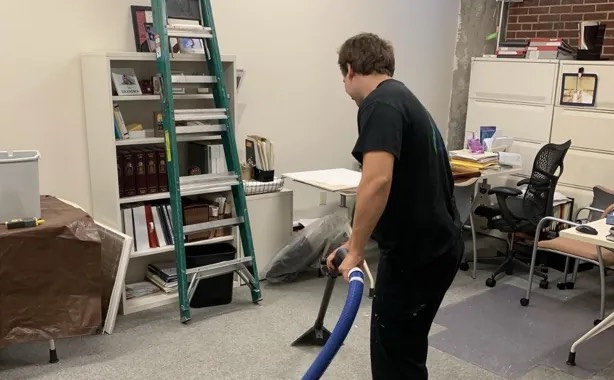
Water Damage Assessment: The First Step in College Park Water Damage Repair
In College Park, water damage assessment helps prioritize actions to mitigate further harm and restore property functionality quickly. Local damage assessment specialists focus on accurate detection and classification to streamline the entire recovery process effectively.
In College Park, an inspection finds where water got in and how far it spread. Local damage assessment specialists check for hidden water and mold risk in homes and businesses, also around Hyattsville, East Riverdale and Bladensburg.
Water Damage Assessment Methods Used in College Park
Restoration Scope
The scope is a practical roadmap derived from evidence. The specialists synthesize data into a logical sequence of restoration actions.
Hidden Water Damage Inspection
Hidden water damage can go unnoticed behind walls and under floors. The pros use moisture meters and thermal imaging to find concealed moisture.
Structural Damage Inspection
The inspection checks floors, ceilings and framing for sagging or buckling, which matters for safety after a water event.
Water Damage Report
A clear record of the event is needed. The water damage documentation report from the specialists details all findings with photos and sensor data.
Moisture Mapping
Accurate moisture mapping reveals invisible damage. The specialists scan walls and floors with meters to find trapped moisture in construction materials.
When to Schedule Water Damage Assessment for Your College Park Property
Unexplained Increases in Water Bills
A sudden spike in your water bill with no change in usage is a strong indicator of a hidden leak.
Water Pooling in Unusual Areas
Standing water in a basement, crawl space or around appliances means water is getting in and the area needs inspection.
Rust on Pipes or Appliances
Corrosion on metal pipes, water heater tanks, or under sinks can be a symptom of persistent condensation or minor leaks.
Cracked or Shifting Foundation
New cracks in a foundation or slab may be caused by water erosion, demanding a professional flood damage assessment.
How Water Damage Assessment Works in College Park
Step 1: First Call and Situation Evaluation
For urgent cases, the specialists check for immediate hazards first and see how far moisture has spread.
Step 2: Detailed Moisture Mapping and Documentation
Pros build a precise moisture map that supports your claim and guides all drying.
Step 3: Structural and Material Damage Inspection
Drywall, framing and flooring are checked to see what can be dried and what must be replaced.
Step 4: Final Report and Restoration Scope Delivery
You receive the final report with inspection data, photos and the restoration scope.
Typical Water Leak Origins in College Park
Faulty or Aging Building Envelopes
Deteriorated window seals, siding gaps, or degraded caulking allow wind-driven rain to infiltrate the structure over time.
Plumbing Leaks and Burst Pipes
Failed pipe joints, corrosion or freezing can cause sudden floods or slow hidden leaks.
Roof Leaks and Compromised Flashing
Damaged shingles, cracked flashing, or clogged gutters allow water to seep into attics and walls during rainstorms.
Sewer Line Backups and Overflows
Blockages in the main sewer line can force contaminated water back through drains, creating a severe Category 3 water hazard.
College Park Property Water Damage Assessment: Residential & Commercial
Residential Water Damage Assessment
In condos and houses, the assessment checks damp areas like crawl spaces for mold risk, which shapes the drying plan.
Commercial Water Damage Assessment
For restaurants and hotels, the specialists check kitchens, laundry areas and guest rooms so health concerns are part of the cleanup plan.
Water Damage Assessment vs. DIY: When to Call Local Specialists
Increasing ventilation by opening windows and running fans can help with mild dampness and odors after a minor spill. This is not sufficient for actual flooding. For thorough moisture mapping and documentation using professional tools, you need the expertise of the pros.
Factors Influencing Water Damage Assessment Cost in College Park
In College Park, price depends on how much structural inspection is needed and how detailed the report must be.
Emergency Service Timing
An inspection at night or on a weekend may cost more than one during business hours.
Property Size and Layout
Larger homes or complex commercial spaces in College Park require more time for thorough moisture mapping and documentation, affecting the assessment duration.
Inspection Depth Required
Finding hidden water behind walls or under floors takes more tools and time.
Does Insurance Cover Water Damage Assessment?
For water damage assessment, coverage decisions belong to the insurer. The pros create detailed documentation of the leak source and structural impact for the homeowner's claim.
The Value of Expert Water Damage Assessment for College Park
Comprehensive Damage Report
You receive a thorough water damage report detailing source detection, structural inspection, and content evaluation findings.
Structural Integrity Evaluation
The inspection checks building materials for structural damage before any repairs are planned.
Belongings Assessment
Personal contents and belongings are evaluated for water damage as part of the overall property assessment process.
Urgent Water Damage Assessment for College Park Property Emergencies
Inspections for businesses are available around the clock. Call (410) 237-0394 to have the water damage in your building found and recorded.
Call Now (410) 237-0394Water Damage Assessment Near College Park: Areas Served
In College Park, inspections include moisture readings and water category determination. The same service is available in Hyattsville, East Riverdale and Bladensburg, plus other nearby communities.
- Water Damage Assessment in Hyattsville
- Water Damage Assessment in East Riverdale
- Water Damage Assessment in Bladensburg
- Water Damage Assessment in Chillum
- Water Damage Assessment in New Carrollton
- Water Damage Assessment in Landover
- Water Damage Assessment in Mount Rainier
- Water Damage Assessment in Seabrook
- Emergency Damage Restoration in 20740
- Storm Damage Restoration in 20740
- Water Damage Restoration in 20740
- Water Extraction Service in 20740
- Water Leak Detection in 20740
- Water Removal Service in 20740
- Emergency Damage Restoration in 20741
- Storm Damage Restoration in 20741
Water Damage Assessment FAQs
What is category and class determination for water?
It classifies water by contamination level (Category 1, 2, or 3) and by the amount and evaporation rate (Class 1-4) to guide the restoration response.
What does a water damage report include?
The report details findings from all inspection phases, including photos, moisture readings, identified sources, damage descriptions, and the recommended restoration scope.
Is mold inspection after water damage always necessary?
While not always immediately visible, assessing mold risk is a prudent part of the process, as mold can begin growing within 24-48 hours in damp conditions.
What is a drying equipment plan development?
Based on moisture mapping, pros outline the specific types, number, and placement of air movers, dehumidifiers, and other equipment needed for effective drying.
How does a home water damage evaluation help with insurance?
The evaluation provides the documented evidence, photos, moisture data, and a detailed report, that you submit to your insurer to support your claim.