Glen Burnie, MD · Anne Arundel County
Wet Vacuum Water Extraction in Glen Burnie, MDCarpet Pad Water Extraction & Basement Flood Water Extraction
Wet Vacuum Water Extraction in Glen Burnie covers post-flooding subfloor drying, appliance leak water removal, and carpet pad water extraction.
Answered 24/7
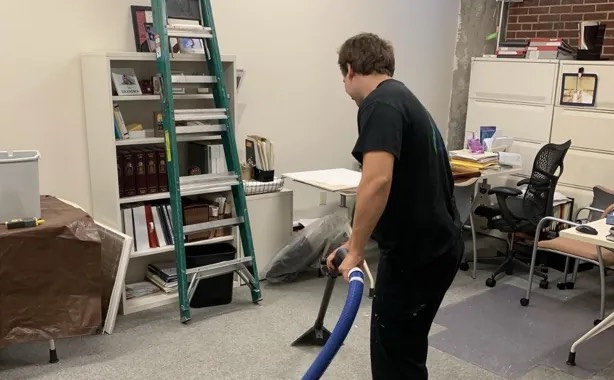
Wet Vacuum Water Extraction for Glen Burnie Residents
In Glen Burnie, cleanup starts with wet vacuum extraction to get the water out, which protects the structure and prevents long-term problems.
In Glen Burnie and nearby Ferndale, Pasadena and Green Haven, water extraction experts remove standing water from basements, living areas and utility rooms to industry standards and start drying.
Wet Vacuum Water Extraction Solutions for Glen Burnie
Carpet Pad Water Extraction
Carpet pad holds a lot of water and can grow mold. Local restoration pros extract it deeply in Glen Burnie homes, which gives the carpet a chance to be saved.
Basement Flood Water Extraction
Basement floods often need heavy-duty equipment. Submersible pumps and large hoses clear the standing water so it does not sit against the foundation and electrical systems.
Water Damaged Furniture Extraction
Upholstered furniture absorbs large amounts of water. Specialized tools extract water from sofas and chairs, removing the bulk moisture that leads to rapid deterioration and mold growth.
Hard Surface Floor Water Removal
Hard surface floor water removal via wet vacuum prevents seepage into expansion joints and under trim. In Glen Burnie, the pros perform this extraction to minimize the risk of costly substrate repairs and flooring replacement.
Appliance Leak Water Removal
The experts perform wet vacuum extraction to contain the spill and assess moisture migration into floors and walls.
Do You Need Wet Vacuum Water Extraction in Your Glen Burnie Home?
Recent Appliance or Plumbing Failure
A leaking water heater, washing machine or broken pipe needs the water removed fast to limit the damage.
Carpet Remains Wet After Cleaning
If carpet is still damp a day after DIY cleanup, the pad likely still holds water.
Warped or Buckling Hardwood Floors
Floorboards that cup or lift have moisture underneath. Fast extraction can save the flooring.
Squeaky or Soft Spots in Flooring
Creaks or a soft give in the floor often mean the subfloor has water damage.
How Wet Vacuum Water Extraction Works in Glen Burnie
Step 1: First Call and Site Safety Evaluation
When called for emergency water removal, pros secure the area for safety. An assessment of the water category begins, followed by planning the wet vacuum water extraction sequence.
Step 2: Primary Extraction of Standing Floodwater
The first physical action is removing all visible standing water using powerful extractors. This water removal is the most effective way to limit damage spread.
Step 3: Secondary Extraction From Absorbent Materials
The experts then perform targeted extraction from carpets, upholstery, and drywall. This step, including water damaged furniture extraction, pulls moisture from within materials.
Step 4: Setting Up the Structural Drying System
After extraction, air movers and dehumidifiers dry the subfloor and the rest of the structure.
Typical Reasons for Emergency Water Extraction
Severe Weather and Flooding
Heavy rain or flash flooding can overwhelm drainage and push water into basements and ground floors.
Clogged or Backed-Up Sewer Lines
Sewage backups introduce contaminated water into a property. This hazardous situation requires specialized water extraction equipment and safety protocols.
Overflowing Bathtubs or Toilets
A simple plumbing overflow can soak bathroom floors and the rooms next to them.
Fire Suppression System Activation
A sprinkler discharge during a fire puts a lot of water into a building.
Residential and Commercial Wet Vacuum Water Extraction in Glen Burnie
Residential Wet Vacuum Water Extraction
Homeowners face risks from appliance leaks and plumbing failures. The pros use powerful wet vacuum extraction tools on carpets, hard surfaces, and damaged furniture.
Commercial Wet Vacuum Water Extraction
Office buildings and stores need quick action on water events. The pros mitigate business interruption by extracting water from carpets, conference rooms, and server closets.
Wet Vacuum Water Extraction vs. DIY: When to Call Local Experts
Turn off the main water supply to stop a leak, and mop up water you can easily reach. Drying carpet, pad and subfloor takes professional wet vacuum extraction from local pros.
What Influences Wet Vacuum Water Extraction Expenses in Glen Burnie
The experts evaluate several elements when determining the cost for flood cleanup services, such as the duration of saturation and the presence of salvageable contents.
Specialized Equipment Use
Employing industrial-grade wet vacuums, air movers, and dehumidifiers for thorough drying constitutes a major part of the service.
Water Contamination Level
Clean water from a supply line requires different safety protocols than contaminated floodwater, affecting the restoration approach.
Structural Drying Needs
Drying subfloors or wall cavities after extraction adds time, equipment and cost.
Does Insurance Cover Wet Vacuum Water Extraction?
Whether basement flood water extraction is covered depends on if the water originated from within the home's plumbing system. Many policies have specific exclusions for water backup from sewers or drains unless an endorsement is purchased.
The Value of Professional Wet Vacuum Water Extraction
24/7 Emergency Response
Quick action is critical for water damage; local pros are available around the clock to begin extraction and mitigate loss.
Cross-Contamination Prevention
Proper containment and air filtration during water extraction and drying protect unaffected areas of your home from airborne contaminants.
IICRC-Standard Drying Methods
Following industry standards for moisture detection and controlled drying ensures materials are dried thoroughly to prevent secondary damage.
Emergency Wet Vacuum Water Extraction for Glen Burnie, MD
A ceiling leak or basement flood requires professional equipment to remove water effectively. Dial (410) 237-0394 for 24/7 wet vacuum extraction services to prevent further saturation and potential mold issues.
Call Now (410) 237-0394Local Wet Vacuum Water Extraction for Glen Burnie, Ferndale, Pasadena and Green Haven
For water damage in the Glen Burnie area, and in communities including Ferndale, Pasadena and Green Haven, wet vacuum extraction is the first step.
- Wet Vacuum Water Extraction in Ferndale
- Wet Vacuum Water Extraction in Pasadena
- Wet Vacuum Water Extraction in Green Haven
- Wet Vacuum Water Extraction in Brooklyn Park
- Wet Vacuum Water Extraction in Severn
- Wet Vacuum Water Extraction in Severna Park
- Wet Vacuum Water Extraction in Odenton
- Wet Vacuum Water Extraction in Lake Shore
- Emergency Damage Restoration in 21060
- Storm Damage Restoration in 21060
- Water Damage Restoration in 21060
- Water Extraction Service in 21060
- Water Leak Detection in 21060
- Water Removal Service in 21060
- Emergency Damage Restoration in 21061
- Storm Damage Restoration in 21061
FAQs About Professional Water Extraction
What's involved in carpet and pad water extraction?
Carpet and pad water extraction involves lifting the carpet, extracting water from the pad and subfloor with wet vacuums, then professionally cleaning and drying the carpet.
What's the difference between water extraction and water damage restoration?
Water extraction is the initial removal of water, while water damage restoration includes the full process: extraction, drying, cleaning, sanitizing, and any necessary repairs to the property.
Why is post-flooding subfloor drying important?
Moisture trapped in wood or concrete subfloors causes warping, decay and mold, which harms the structure and the air.
Is commercial water extraction available?
Yes, commercial water extraction is available for offices, retail spaces, and other businesses, using high-capacity equipment to minimize downtime and restore the property quickly.
What happens during emergency water removal?
Emergency water removal involves quick action to extract standing water, set up drying equipment, and contain the area to prevent cross-contamination, stabilizing the situation.