Baltimore, MD · Greater Baltimore
Whole-Building Fire & Smoke Odor Removal in Baltimore, MDAir Scrubbing For Whole Buildings & Thermal Fogging Deodorization
Whole-Building Fire & Smoke Odor Removal in Baltimore covers electrostatic soot removal, fire damaged material removal, and whole-house air scrubbing.
Answered 24/7
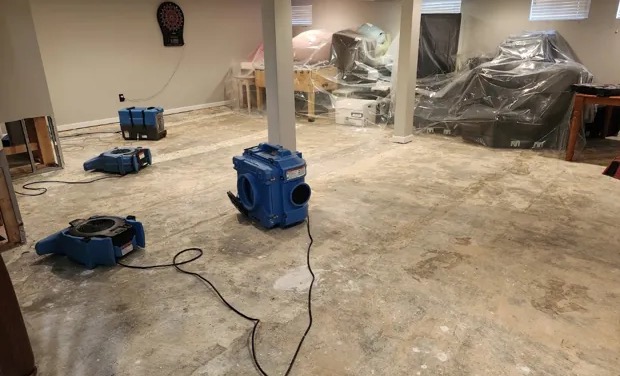
Total Building Deodorization in Baltimore, MD
Smoke travels through wall cavities, ducts, and attics, leaving residue far from the fire. Treating only the rooms that smell worst often lets odor come back later.
For homes in Baltimore and nearby Baltimore Highlands, Lansdowne and Brooklyn Park, treating the air alone is not enough because odor binds to surfaces. Local pros clean, deodorize, and then seal porous materials.
Whole-Building Deodorization Process
Air Scrubbing for Whole Buildings
Scrubbers run during soot cleaning and deodorizing, removing particles stirred up as each area of the building is worked on.
Thermal Fogging Deodorization
The fog travels the same way smoke did, into wood, drywall, and insulation, which makes it useful for greasy kitchen fire odors.
Whole-House Air Scrubbing
Local fire odor removal pros run scrubbers through the cleanup so soot stirred up by cleaning is caught instead of drifting back onto fabrics.
Surface Sealing for Residual Odor
In Baltimore, odor-blocking primers go on cleaned but porous surfaces to give a neutral base for new paint.
Ozone Treatment for Smoke Odor
Local fire odor removal pros in Baltimore treat empty, closed spaces with ozone, which reaches every corner and breaks down acrid smoke odor.
Indicators That DIY Odor Removal Has Failed
Soot in Electrical Outlets
Fine soot inside outlets and behind switch plates shows smoke reached into wall cavities, not just room surfaces.
Metallic or Chemical Odor Present
A sharp chemical or metallic smell usually comes from burned plastics or synthetics and needs stronger deodorizing than cleaning alone.
Stinging Sensation in Eyes or Throat
Stinging eyes or a scratchy throat indoors can come from smoke particles still in the air after the fire is out.
Smoke Odor in Closed Cabinets
Items inside closed cabinets that smell of smoke show the odor has passed through gaps and seals throughout the house.
How Whole-Building Fire & Smoke Odor Removal Works in Baltimore
Step 1: Initial Deodorization With Fogging
The experts fog the building first, breaking down odor residue on surfaces throughout the structure.
Step 2: Content Decontamination and Cleaning
Salvageable belongings are cleaned, often off-site, with methods suited to each material so soot and odor come out.
Step 3: Whole-Building Air Exchange
Negative air machines and scrubbers exchange the indoor air, pulling out smoky air and replacing it with filtered air.
Step 4: Sealing for Residual Odor Control
Porous framing and subfloors are sealed so any last traces of odor stay locked in place.
What Makes Fire Odor So Difficult to Remove
Burning of Synthetic Materials
Burning furniture and plastics produce thick, oily smoke that leaves a sticky, strong-smelling residue on every surface.
Secondary Water Damage
Water used to fight the fire can spread soot into new areas and carry odor into floors and wall cavities.
Residual Oils From Incomplete Combustion
Oily residue from burned materials keeps giving off odor long after the fire is put out.
Inadequate Ventilation During Fire
With windows and doors closed during a fire, smoke stays concentrated indoors and soaks deeper into materials.
Comprehensive Odor Solutions for Any Building
Residential Whole-Building Fire & Smoke Odor Removal
In homes, every living space usually needs treatment. Local pros run air scrubbers and clean contents so bedrooms, closets, and belongings stop smelling of smoke.
Commercial Whole-Building Fire & Smoke Odor Removal
Businesses need odor gone before reopening. The professionals clean the ducts and fog lobbies, offices, and stock rooms so customers and staff are not met by smoke smell.
Professional Whole-Building Fire & Smoke Odor Removal vs. DIY Sprays
Move badly charred debris outdoors to remove obvious odor sources, and clean fan blades and light fixtures where soot settles. Odor inside insulation, drywall, or wood needs fogging or sealing.
Factors Affecting Whole-Building Fire & Smoke Odor Removal Expenses
In Baltimore, cost depends on how deep the smoke went and which materials it reached. Surface cleaning costs less than treating odor soaked into walls and insulation.
HVAC System Contamination
Cleaning ducts and HVAC parts adds equipment time and access work to the job.
Deodorization Method Required
Thermal fogging and ozone treatment use different equipment, and some jobs need both methods.
Affected Material Types
Porous materials like drywall and upholstery often need special treatment or removal, which adds work.
Does Insurance Cover Whole-Building Fire & Smoke Odor Removal?
Your insurer decides whether whole-building fire & smoke odor removal is covered. The pros in Baltimore provide documentation for the claim file, and final approval rests with the insurance company.
Why Whole-Building Fire & Smoke Odor Removal Demands Professional Expertise
Comprehensive Odor Attack Plan
Air scrubbing, fogging, and sealing together treat both airborne odor and odor held inside materials.
Content Salvage Focus
Belongings are cleaned and deodorized so items that might otherwise be thrown out can often be kept.
HVAC System Decontamination
Ducts are cleaned so the HVAC system does not keep pushing smoke odor through the building after cleanup.
24/7 Emergency Whole-Building Fire & Smoke Odor Removal Response
Smoke odor gets harder to remove as it sinks into materials. For fire odor removal in Baltimore, call (410) 237-0394 for a 24/7 response.
Call Now (410) 237-0394Whole-Building Fire & Smoke Odor Removal Near Baltimore: Areas Served
Whole-house smoke smell removal is available to homeowners and businesses throughout Baltimore and communities such as Baltimore Highlands, Lansdowne and Brooklyn Park.
Understanding Whole-Building Fire & Smoke Odor Removal: Frequently Asked Questions
What materials typically require fire damaged material removal?
Charred wood, melted plastics, contaminated insulation, and anything that cannot be cleaned or is unsafe are removed and disposed of.
What's the difference between cleaning and deodorizing?
Cleaning removes visible soot residue, while deodorizing breaks down the odor molecules left behind. Most fire jobs need both steps.
Can ozone treatment remove strong smoke smells?
Ozone generators release O3, which breaks apart smoke odor compounds in the air and on porous surfaces when used in an empty building.
What happens during content decontamination and cleaning?
Belongings are listed, cleaned with methods suited to each material, and often deodorized so they can be kept instead of discarded.
What is whole-building fire and smoke odor removal?
It is a process that removes smoke smell from every part of a structure, using air scrubbing, fogging, and duct cleaning to treat air and materials.