Trusted by 195+ Homeowners
HVAC Leak Water Removal in Laurel, MD
- Over 197 5-Star Reviews
- Free Estimates and Quotes
- 100% Satisfaction Guaranteed
- Child, Family & Pet Safe Steps
- 24-Hour Emergency Service
- Fully Licensed & Insured

Don’t Let Water Damage Spread: Addressing HVAC Leak Water Removal in Laurel, MD
When your heating, ventilation, and air conditioning (HVAC) system springs a leak, it can be a stressful and overwhelming experience. You’re left wondering how to contain the damage, prevent further complications, and get your home back to normal. The key is to act quickly, as standing water can seep into walls, floors, and ceilings, causing irreparable harm. Call us immediately if you notice any signs of an HVAC leak, such as musty odors, water stains, or water pooling around your system.
You’ve heard from friends and neighbors who’ve had to deal with water damage in Laurel, MD that our team is the one to call when disaster strikes. With over 165 five-star reviews, we’ve established a reputation for providing top-notch service, rapid response times, and a commitment to customer satisfaction. Our experienced technicians are IICRC-certified and equipped to handle even the most complex water removal and restoration jobs.
- Fast Emergency Response ensures timely intervention, reducing damage and costs.
- Expert Equipment and techniques allow for efficient water removal and drying.
- Personalized Service tailored to your specific needs and concerns.
The Science Behind Effective HVAC Leak Water Removal
The process of addressing HVAC leak water removal needs a systematic approach, involving precise techniques and cutting-edge equipment to remove standing water, dry affected areas, and restore your home to its original condition. Our team’s experience and expertise guarantee a thorough and efficient job, ensuring your peace of mind and a quick return to normal life. Don’t risk further damage by delaying the process.
Step 1: Emergency Response and Assessment
Our technicians arrive quickly to assess the situation, identify the source of the leak, and develop a customized plan to address the damage. This initial step is crucial in preventing further complications and ensuring a smooth restoration process.
Step 2: Water Removal and Drying
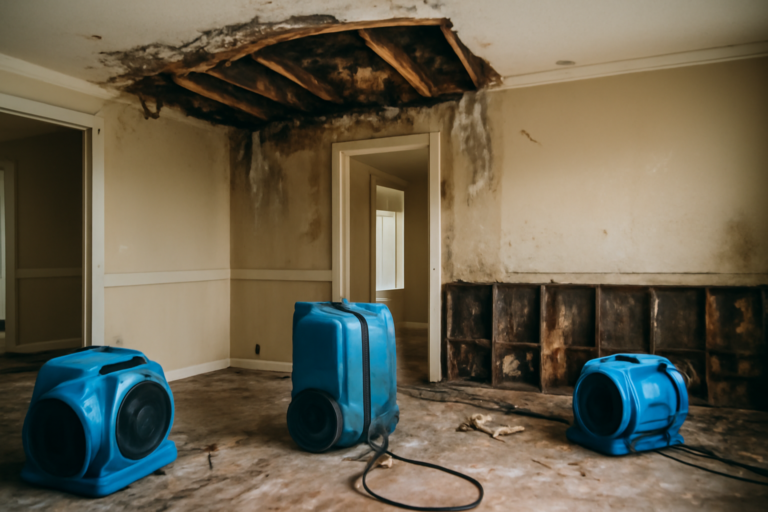
Using specialized equipment, such as truck-mounted extractors and industrial fans, our team removes standing water and begins the drying process. This involves setting up drying equipment, monitoring humidity levels, and ensuring a safe working environment.
Step 3: Dehumidification and Drying
Once the bulk of the water has been removed, our technicians use dehumidifiers and air movers to dry the affected areas thoroughly. This step is critical in preventing mold growth and ensuring a complete restoration.
Step 4: Cleaning and Disinfection
Our team thoroughly cleans and disinfects all affected areas, including walls, floors, and ceilings, to prevent bacterial and fungal growth. This step is essential in ensuring your home is safe and healthy for occupancy.
Step 5: Final Inspection and Restoration
A final inspection is conducted to ensure all damaged areas have been properly restored and that your home is safe and functional. This step involves making any necessary repairs, replacing damaged materials, and verifying that your HVAC system is functioning properly.
Don’t delay in addressing your HVAC leak water removal needs. Act now to prevent further damage and ensure a smooth, stress-free restoration process.
Warning Signs You Need HVAC Leak Water Removal
Ignoring the warning signs of an HVAC leak can lead to costly repairs, health hazards, and even safety risks. Be aware of the following indicators and act quickly to prevent further complications:
Musty Odors That Won’t Go Away
If you notice persistent, unpleasant odors in your home, especially near your HVAC system, it may show a hidden leak. Don’t ignore the smell as it can be a sign of mold growth and bacterial contamination.
Water Stains or Warping on Walls and Floors
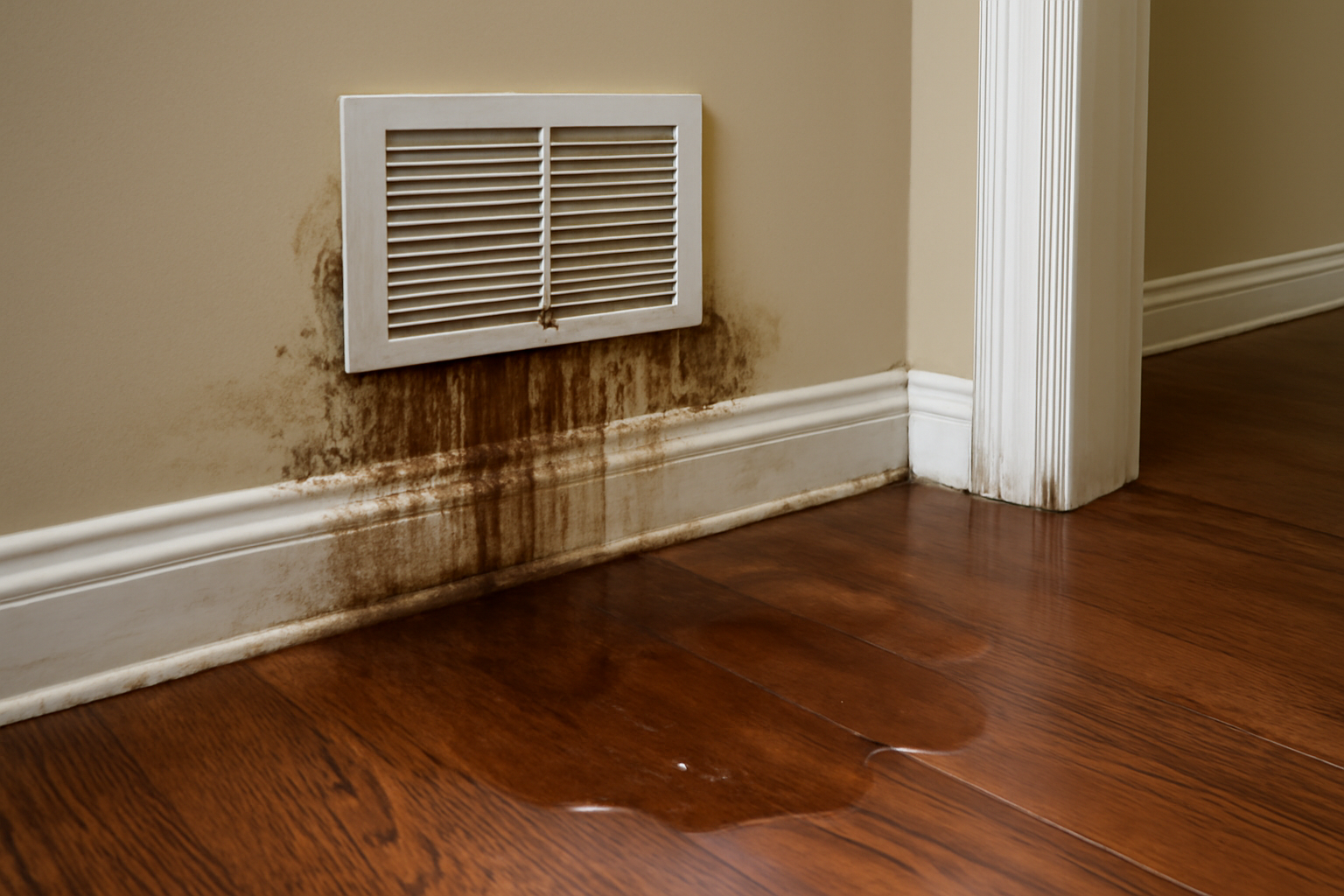
Visible water stains or warping on walls, floors, or ceilings can be a clear indication of a leak. Don’t wait to address the issue, as water can seep into walls and cause extensive damage.
Water Pooling or Standing Water Near Your HVAC System
Notice any water accumulating around your HVAC unit, pipes, or nearby surfaces? Don’t delay addressing the issue, as standing water can attract pests, create safety hazards, and compromise your home’s structural integrity.
Increased Utility Bills
Unexplained increases in your utility bills may show a leak in your HVAC system, as the system works harder to compensate for the loss of refrigerant or water. Check your bills and investigate further if you suspect a leak.
Unusual Noises or Vibrations
Do you hear unusual noises or feel vibrations from your HVAC system? This could be a sign of a faulty compressor, pump, or other part that’s causing a leak. Don’t ignore the signs as they can show a more significant issue.
HVAC Leak Water Removal vs. DIY: When To Call a Professional
| Situation | DIY? | Call a Pro? | Why |
|---|---|---|---|
| Small leak, contained within the HVAC system | Yes | No | DIY fixes often work for minor issues, but it’s always best to consult a pro if you’re unsure. |
| Large leak, with standing water and significant damage | No | Yes | Professional help is crucial for large-scale water removal and restoration to prevent further damage and ensure a safe environment. |
| Mold growth or bacterial contamination detected | No | Yes | Mold and bacteria can pose serious health risks; a professional restoration team has the equipment and expertise to safely handle these situations. |
| HVAC system is old or complex, with multiple parts | No | Yes | Professional technicians are trained to handle intricate systems, ensuring safe and efficient repairs. |
| You’re unsure about the source or extent of the leak | No | Yes | A professional assessment can help identify the root cause and guide the restoration process. |
| Insurance claim or documentation is required | No | Yes | A professional restoration team can help navigate the insurance process and provide necessary documentation. |
When dealing with an HVAC leak, it’s essential to consider the severity of the damage, your system’s complexity, and potential health risks. Don’t risk further complications by trying to tackle the issue yourself. Call a professional to ensure a safe, efficient, and effective restoration process.
HVAC Leak Water Removal Cost in Laurel, MD
The cost of addressing an HVAC leak water removal can vary a lot depending on the severity of the damage, the size of the affected area, and local conditions in Laurel, MD. Prices can range from a few hundred to several thousand dollars, making it crucial to consult with a professional to find out the best course of action. Get a free estimate from our team to understand the costs involved.
| Service | Typical Price Range | What Affects Cost |
|---|---|---|
| Water Removal and Drying | $500 – $2,500 | Size of affected area, extent of water damage, and equipment required |
| Dehumidification and Drying | $300 – $1,500 | Duration of drying process, equipment rental fees, and labor costs |
| Cleaning and Disinfection | $200 – $1,000 | Type of surfaces affected, extent of cleaning required, and disinfection methods used |
| Final Inspection and Restoration | $500 – $2,000 | Scope of repairs, materials needed, and labor costs |
| More Services (mold remediation, equipment replacement, etc.) | $500 – $5,000 | Complexity of the issue, extent of damage, and specialized equipment required |
Keep in mind that these estimates are based on average costs and may vary depending on the specifics of your situation. Get a free on-site assessment to find out the exact cost of addressing your HVAC leak water removal needs.
Service Areas Near Laurel, MD
We serve the following nearby communities: Baltimore, MD; Columbia, MD; Ellicott City, MD; Elkridge, MD; Glen Burnie, MD; Hanover, MD; Hunt Valley, MD; Lutherville, MD; Mount Airy, MD; Owings Mills, MD; Parkville, MD; Perry Hall, MD; Randallstown, MD; Sparks, MD; Towson, MD; White Marsh, MD; Woodlawn, MD.
Common Questions About HVAC Leak Water Removal
Q: Will my insurance cover the costs of HVAC leak water removal?
A: Yes, in most cases, your insurance policy will cover the costs of addressing an HVAC leak water removal. But, it’s essential to consult with your insurance provider to understand the specifics of your coverage. Our team can help navigate the insurance process and provide necessary documentation. We’ll work with your insurance company to ensure a smooth claims process.
Q: How long does the restoration process typically take?
A: The duration of the restoration process can vary depending on the severity of the damage, the size of the affected area, and the complexity of the issue. But, we strive to complete the majority of our restoration projects within 3-5 days. Our team will provide a detailed timeline and update you regularly on the progress.
Q: Is it safe to stay in my home during the restoration process?
A: It’s generally safe to stay in your home during the restoration process, but it depends on the severity of the damage and the presence of health hazards. Our team will assess the situation and provide guidance on whether it’s safe for you to remain in your home. We’ll ensure your safety and comfort throughout the process.
Q: Can I prevent future HVAC leaks by taking certain precautions?
A: Yes, there are several steps you can take to prevent future HVAC leaks, such as regularly inspecting your system, ensuring proper installation and maintenance, and addressing any issues quickly. We recommend scheduling annual maintenance checks to prevent costly repairs.
Check Our Other Relevant Services

𝗛𝗮𝗿𝗿𝘆 𝗕𝗿𝘆𝗮𝗻𝘁: 𝗗𝗮𝗺𝗮𝗴𝗲 𝗥𝗲𝘀𝘁𝗼𝗿𝗮𝘁𝗶𝗼𝗻 𝗔𝘂𝘁𝗵𝗼𝗿𝗶𝘁𝘆
Harry Bryant is a licensed property recovery specialist with over 20 years of hands-on experience in the disaster restoration industry. As a veteran in the field, Harry is recognized for his technical precision and authoritative knowledge, helping residential and commercial clients navigate the complexities of structural recovery while adhering to the highest safety and compliance standards.
𝗖𝗲𝗿𝘁𝗶𝗳𝗶𝗰𝗮𝘁𝗶𝗼𝗻𝘀: Harry is highly credentialed through the IICRC, holding specialized certifications in Water Damage Restoration (WRT), Mold Remediation (AMRT), Applied Structural Drying (ASD), Odor Control (OCT), and Fire and Smoke Restoration (FSRT).
𝗙𝗮𝘃𝗼𝗿𝗶𝘁𝗲 𝗣𝗮𝘀𝘁𝗶𝗺𝗲: An avid fly-fisherman and woodworking enthusiast, Harry enjoys spending his weekends on the river or in his shop crafting custom furniture for his family.
𝗕𝗲𝘀𝘁 𝗣𝗮𝗿𝘁 𝗼𝗳 𝘁𝗵𝗲 𝗝𝗼𝗯: Harry finds the most reward in the “restoration of peace.” He prides himself on being a steady, calming presence for families in crisis, guiding them through the recovery process to ensure their home is once again a safe haven.