College Park, MD · Prince George's County
AC Unit Water Removal in College Park, MDAC Leak Water Cleanup & Wet AC Unit Component Drying
AC Unit Water Removal in College Park runs from emergency AC water removal and AC leak water cleanup to air conditioner restoration services.
Answered 24/7
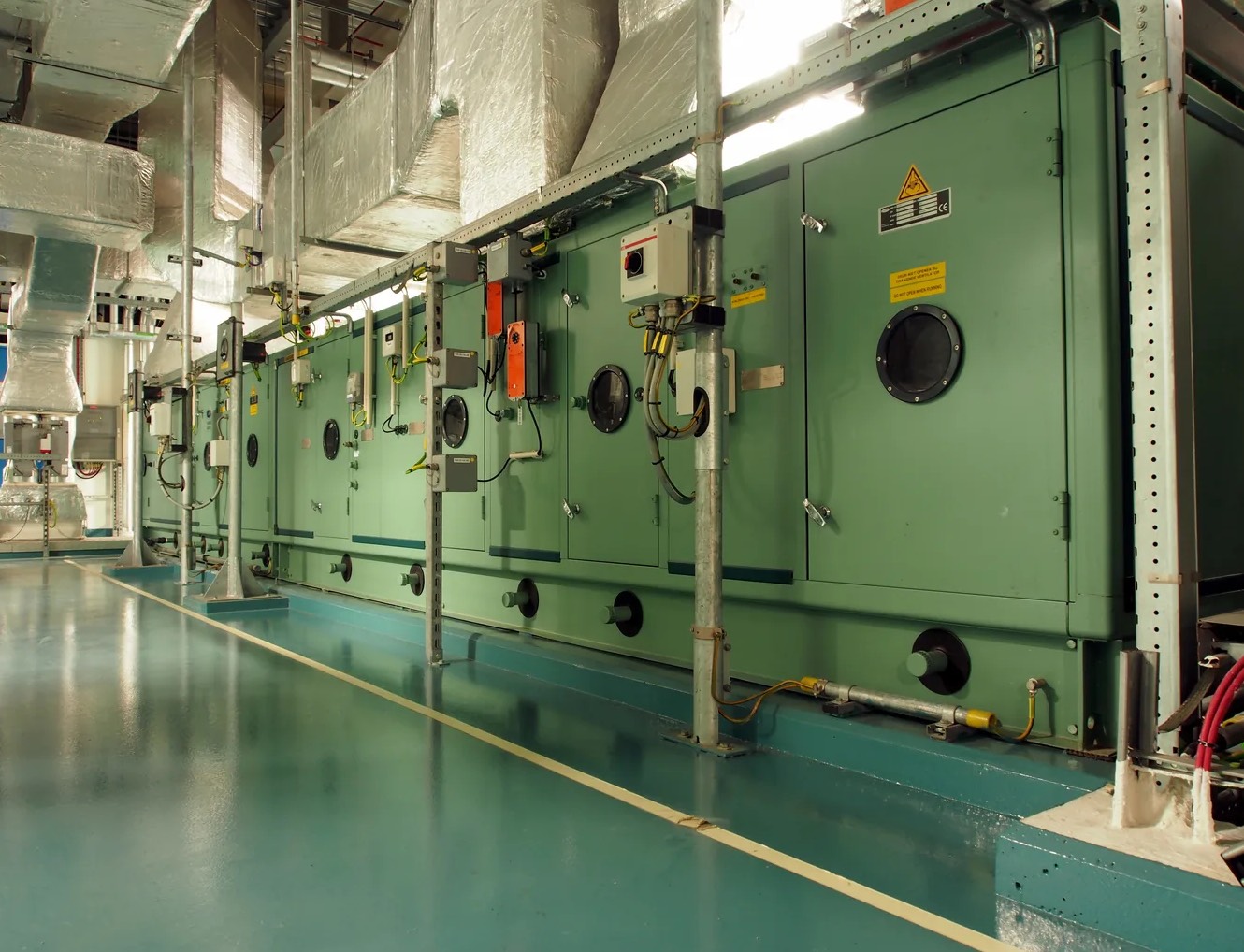
Professional AC Unit Water Removal in College Park, MD
AC Unit Water Removal in College Park covers the whole leak, from removing standing water to drying wet materials and repairing drywall or trim afterward. Each step depends on how far the water traveled and how long it sat.
A leaking AC in College Park rarely fixes itself, and the water keeps soaking the same drywall and subfloor until the drain is cleared. Local water extraction experts serve College Park and nearby Hyattsville, East Riverdale and Bladensburg, with help available around the clock for leaks of any size.
The AC Unit Water Removal Process in College Park, MD
AC Leak Water Cleanup
Standing water around the indoor unit is pumped and vacuumed up first, before it wicks into drywall, baseboards or the subfloor.
Wet AC Unit Component Drying
Wet blower motors, panels and wiring are dried with gentle airflow and dehumidifiers rather than direct heat, which lowers the risk of corrosion and shorts.
AC Drain Pan Water Extraction
Water sitting in a full or cracked drain pan is removed before it spills over into the ceiling or walls below.
Air Conditioner Restoration Services
Work finishes with cleanup and a check that the unit drains properly, so the leak does not return.
AC Condensate Drain Clearing
The PVC drain line is cleared with suction or a flush, and the trap is checked so water stops backing up into the pan.
Signs of AC Water Damage Requiring Removal
Unusual AC System Noises
Gurgling or dripping sounds from the unit can mean water is backing up in the drain line.
AC System Shuts Off
Many units have a float switch that shuts the system off when the pan fills. If the AC stops cooling, check the pan.
Water on the Floor
A puddle around the air handler or furnace closet is the most direct sign of a leak.
AC Unit Circuit Breaker Trips
Water reaching electrical parts can trip the breaker. Shut the unit off and call before resetting it again.
How AC Unit Water Removal Works in College Park
Step 1: Leak Assessment
The pros find the source of the leak, check how far the water spread and take moisture readings.
Step 2: Source Stop and Water Removal
The drain is cleared or the leaking part isolated, then standing water is extracted from every wet area.
Step 3: System Drying and Dehumidification
Drying equipment runs until walls, floors and insulation test dry, with readings taken at each visit.
Step 4: Verification and Restoration
Final readings confirm the materials are dry, then damaged drywall, trim or ceiling panels can be replaced.
Frequent Sources of AC Water Damage
Excess Outdoor Humidity
Very humid air makes the coil produce more water than a partly clogged drain can carry.
Age and Component Wear
Older units have worn fittings, brittle seals and corroded pans that start leaking together.
Frozen Evaporator Coils Thawing
A coil that freezes from low airflow sheds a large amount of water at once when it thaws.
Damaged AC Drain Pan
Metal pans rust through and plastic pans crack with age, letting water drip straight through.
AC Unit Water Removal for Homes and Businesses in College Park
Residential AC Unit Water Removal
For homeowners, the main risk is water soaking into insulation and drywall where no one sees it. Moisture meters find that hidden water so it can be dried before it causes rot.
Commercial AC Unit Water Removal
For property managers, one leaking unit can affect several suites or the floor below. Each wet area is extracted, dried and documented for the owner and insurer.
The Risks of DIY AC Unit Water Removal in College Park
You can turn off the AC, empty the pan and towel up a puddle yourself. Moisture already inside drywall or subflooring is harder, because it takes meters to find and drying equipment to remove it.
Understanding AC Unit Water Removal Pricing in College Park
The cost of AC unit water removal in College Park depends on how much water leaked, which materials got wet and how long drying takes. A clogged line caught early costs far less than a soaked ceiling.
Leak Source and Severity
A slow drip near the closet costs less to fix than an attic overflow that soaked a ceiling and the room below.
System Restoration Complexity
Replacing drywall, insulation or trim after drying adds material and labor to the total.
Secondary Damage Presence
Wet ceilings, swollen baseboards or damp framing add removal and repair work to the job.
Does Insurance Cover AC Unit Water Removal?
Ask your adjuster whether clearing the condensate line is covered or treated as routine maintenance, since policies differ. The water damage to ceilings, walls and floors is often handled separately from the unit.
Why Choose Local Pros for AC Unit Water Removal in College Park
Preventative Microbial Treatment
Optional antimicrobial treatment can be applied to wood and drywall that stayed wet for days.
Drain Pan Extraction
Both the main pan and the safety pan are emptied and checked for damage.
Air Conditioner Restoration Focus
Drywall, trim and ceiling repairs can be handled after drying, so one job covers the whole leak.
24/7 AC Unit Water Removal for Emergencies in College Park
Do not wait for a stained ceiling to start sagging under the weight of the water. Call (410) 237-0394 now for AC unit water removal in College Park and get the drying started.
Call Now (410) 237-0394AC Unit Water Removal Near College Park: Areas Served
Need AC unit water removal outside College Park? Service also covers Hyattsville, East Riverdale and Bladensburg, day or night, for any leaking AC unit.
- AC Unit Water Removal in Hyattsville
- AC Unit Water Removal in East Riverdale
- AC Unit Water Removal in Bladensburg
- AC Unit Water Removal in Chillum
- AC Unit Water Removal in New Carrollton
- AC Unit Water Removal in Landover
- AC Unit Water Removal in Mount Rainier
- AC Unit Water Removal in Seabrook
- Emergency Damage Restoration in 20740
- Storm Damage Restoration in 20740
- Water Damage Restoration in 20740
- Water Extraction Service in 20740
- Water Leak Detection in 20740
- Water Removal Service in 20740
- Emergency Damage Restoration in 20741
- Storm Damage Restoration in 20741
AC Unit Water Removal FAQs
What equipment is used to dry AC leak damage?
Extractors, air movers, dehumidifiers and moisture meters, plus wet vacs or pumps for the drain line.
What are signs I need water removed from around my air conditioner?
Puddles near the unit, ceiling stains, a musty smell, a full drain pan or an AC that shuts off on its own.
Why document AC water damage?
Photos and moisture readings show what got wet and how it was dried, which helps your insurance claim.
How quickly should I deal with an AC leak?
Right away. Water that sits for more than a day or two soaks into drywall and insulation and raises the risk of microbial growth.
Does homeowners insurance cover water damage from an HVAC unit?
Sudden leaks are often covered, but slow leaks and the unit itself usually are not. Check your policy.