Fort Washington, MD · Prince George's County
AC Unit Water Removal in Fort Washington, MDAC Leak Mold Prevention & Wet AC Unit Component Drying
AC Unit Water Removal in Fort Washington runs from emergency AC water removal and AC leak water cleanup to air conditioner restoration services.
Answered 24/7
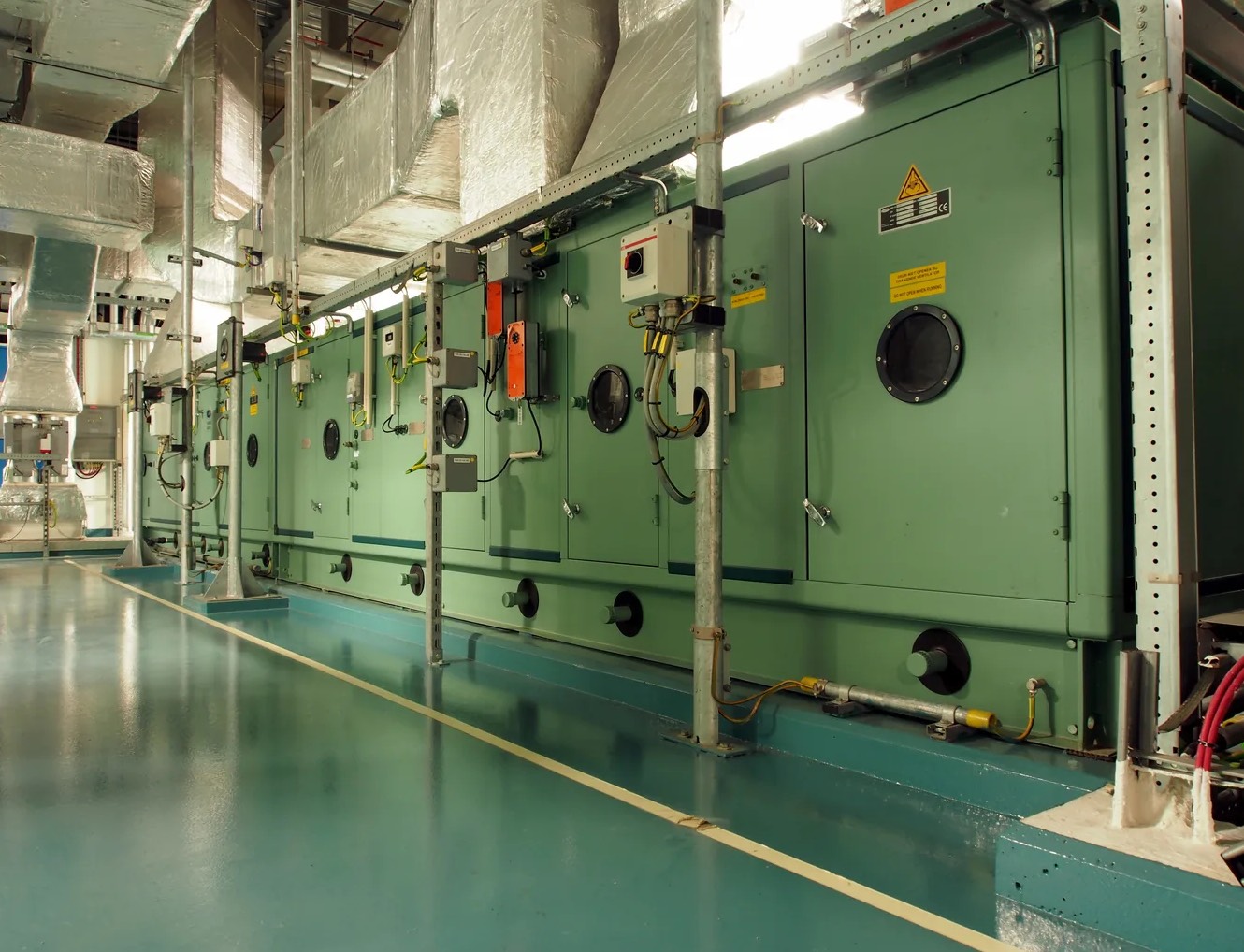
Trusted AC Unit Water Removal for Fort Washington Residents
Most AC leaks start small: a drip in the furnace closet or a faint stain under an attic unit. In Fort Washington, the drain pan can fill and overflow for days before anyone notices the damage.
In Fort Washington, AC leaks usually show up as ceiling stains under attic units, wet carpet near the furnace closet or water dripping from a vent. Help with AC unit water removal is available across Fort Washington and in Oxon Hill, Glassmanor and Clinton, day or night, with extraction, drain clearing and drying.
Detailed AC Unit Water Removal Offerings for Fort Washington
AC Leak Mold Prevention
Antimicrobial treatment is an add-on step after drying, not a substitute for removing wet materials that cannot be saved.
Wet AC Unit Component Drying
Air movers and a dehumidifier are set around the unit, and moisture readings are taken until the metal and insulation test dry.
Air Conditioner Restoration Services
After drying, damaged drywall, trim or ceiling panels near the unit can be replaced and repainted.
AC Condensate Drain Clearing
A clogged condensate line is the most common reason an AC unit leaks. The pros flush out algae and sludge so condensate drains away again.
AC Leak Water Cleanup
Water from an overflowing air handler is extracted from the floor, closet or mechanical room, then nearby walls are checked with a moisture meter.
Warning Signs You Need AC Unit Water Removal
Unusual AC System Noises
Gurgling or dripping sounds from the unit can mean water is backing up in the drain line.
Musty Odors From Vents
A musty smell when the AC starts often means standing water in the pan or wet insulation in the ducts.
Water Stains on Walls
Brown rings or peeling paint on the ceiling under an attic unit, or on walls near the closet, point to a slow leak.
AC System Shuts Off
Many units have a float switch that shuts the system off when the pan fills. If the AC stops cooling, check the pan.
How AC Unit Water Removal Works in Fort Washington
Step 1: AC Unit Flood Cleanup
Water is extracted to help limit further soaking of insulation, framing and the ceiling below.
Step 2: Drain Line Diagnosis and Clearing
The drain line is inspected for clogs, sags or loose fittings and cleared so water drains outside.
Step 3: Structural and Unit Drying
Air movers and dehumidifiers run around the unit, with daily moisture checks on walls and floors.
Step 4: System Check and Cleanup
The pan is cleaned, the drain is tested with water and the area is left dry.
Common Causes of AC Water Damage in Fort Washington
Clogged AC Condensation Line
Algae and sludge build up in the drain line over a cooling season until water backs up into the pan.
Excess Outdoor Humidity
Very humid air makes the coil produce more water than a partly clogged drain can carry.
Age and Component Wear
Older units have worn fittings, brittle seals and corroded pans that start leaking together.
Failed Condensate Pump
Units that pump condensate uphill depend on a small pump. When it fails, the reservoir overflows.
Expert AC Unit Water Removal for Any Property in Fort Washington
Residential AC Unit Water Removal
In apartments and condos, an AC leak can spread through the floor or ceiling to the unit below. Fast extraction limits the spread and the number of neighbors affected.
Commercial AC Unit Water Removal
In restaurants and retail spaces, water near equipment, wiring and walkways is removed first. That reduces slip and electrical hazards while the rest of the area dries.
AC Unit Water Removal vs. DIY: When to Call the Pros
Mopping up a small drip and clearing the drain line with a wet vac is a reasonable DIY step. Call local water damage pros if water reached the ceiling, walls or insulation, or if the leak keeps coming back after you clear the line.
Understanding AC Unit Water Removal Pricing in Fort Washington
The cost of AC unit water removal in Fort Washington depends on how much water leaked, which materials got wet and how long drying takes. A clogged line caught early costs far less than a soaked ceiling.
Emergency Service Timing
After-hours and holiday response can cost more than a scheduled weekday visit.
Required Drying Time
Dense materials and enclosed spaces take longer to dry, which means more equipment days.
Affected Component Count
The more of the system that got wet, such as the blower, panels and insulation, the more drying time is needed.
Does Insurance Cover AC Unit Water Removal?
Insurers often ask whether the leak was sudden or ongoing. A record of when the water was found, what it reached and how it was dried helps answer that question.
Advantages of Hiring Local Pros in Fort Washington for AC Unit Water Removal
Drain Pan Extraction
Both the main pan and the safety pan are emptied and checked for damage.
Focus on Component Preservation
Wet blower motors and wiring are dried gently to lower the risk of corrosion and electrical faults.
Air Conditioner Restoration Focus
Drywall, trim and ceiling repairs can be handled after drying, so one job covers the whole leak.
24/7 Emergency AC Unit Water Removal Response in Fort Washington
Every hour of standing water means more drying later and more materials to replace. Call (410) 237-0394 for AC unit water removal in Fort Washington as soon as you see the leak.
Call Now (410) 237-0394AC Unit Water Removal Service Area Including Fort Washington
Need AC unit water removal outside Fort Washington? Service also covers Oxon Hill, Glassmanor and Clinton, day or night, for any leaking AC unit.
- AC Unit Water Removal in Oxon Hill
- AC Unit Water Removal in Glassmanor
- AC Unit Water Removal in Clinton
- AC Unit Water Removal in Camp Springs
- AC Unit Water Removal in Suitland
- AC Unit Water Removal in Forestville
- AC Unit Water Removal in Bowie
- AC Unit Water Removal in College Park
- Emergency Damage Restoration in 20744
- Storm Damage Restoration in 20744
- Water Damage Restoration in 20744
- Water Extraction Service in 20744
- Water Leak Detection in 20744
- Water Removal Service in 20744
- Emergency Damage Restoration in 20749
- Storm Damage Restoration in 20749
Frequently Asked Questions About AC Unit Water Removal in Fort Washington
What happens during AC water extraction?
Pumps and extractors remove water from the pan, floor and carpet, then moisture meters check walls and subfloor for hidden water.
What should I do while waiting for help with an AC leak?
Turn off the AC, place towels or a bucket under the drip, move belongings out of the way and take photos.
Does homeowners insurance cover water damage from an HVAC unit?
Sudden leaks are often covered, but slow leaks and the unit itself usually are not. Check your policy.
What happens if I ignore a drain pan overflow?
The leak keeps wetting the same materials, which can lead to rot, ceiling damage and microbial growth.
How quickly should I deal with an AC leak?
Right away. Water that sits for more than a day or two soaks into drywall and insulation and raises the risk of microbial growth.