Glenmont, MD · Montgomery County
AC Unit Water Removal in Glenmont, MDAC Drain Pan Water Extraction & Wet AC Unit Component Drying
Get AC unit water removal in Glenmont: AC leak water extraction, wet AC unit component drying and air conditioner restoration services.
Answered 24/7
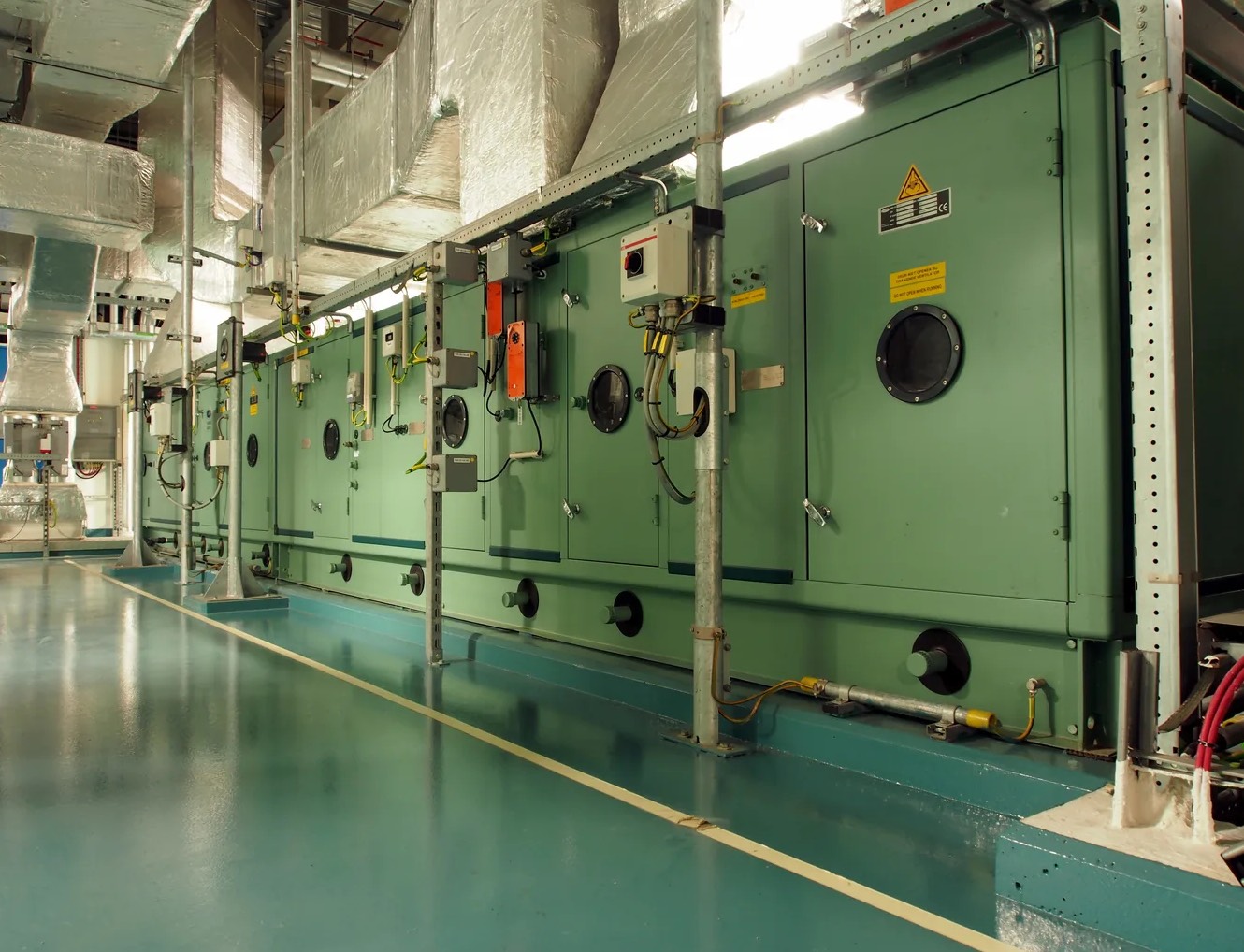
AC Unit Water Removal Near Glenmont: What to Expect
When water drips from a ceiling vent or pools around the furnace closet in Glenmont, the AC drain is the usual suspect. A clogged condensate line sends water back into the pan until it spills over.
In Glenmont, AC leaks usually show up as ceiling stains under attic units, wet carpet near the furnace closet or water dripping from a vent. Help with AC unit water removal is available across Glenmont and in Aspen Hill, White Oak and Fairland, day or night, with extraction, drain clearing and drying.
The AC Unit Water Removal Process in Glenmont, MD
AC Drain Pan Water Extraction
Both the primary pan and the secondary safety pan are emptied, and the pan is inspected for rust holes or cracks.
Wet AC Unit Component Drying
Wet blower motors, panels and wiring are dried with gentle airflow and dehumidifiers rather than direct heat, which lowers the risk of corrosion and shorts.
AC Leak Water Extraction
Extractors and pumps pull water from carpet, pad and hard floors around the unit, then hidden moisture is mapped in the subfloor.
AC Condensate Drain Clearing
The PVC drain line is cleared with suction or a flush, and the trap is checked so water stops backing up into the pan.
Air Conditioner Restoration Services
After drying, damaged drywall, trim or ceiling panels near the unit can be replaced and repainted.
How to Know You Need AC Unit Water Removal in Glenmont
Water on the Floor
A puddle around the air handler or furnace closet is the most direct sign of a leak.
Unusual AC System Noises
Gurgling or dripping sounds from the unit can mean water is backing up in the drain line.
High Indoor Humidity Levels
Rooms that feel clammy while the AC runs may mean water is not draining and is evaporating back into the air.
AC Drain Pan Overflow
Water at the rim of the drain pan, or in the secondary pan, means the condensate line is blocked.
How AC Unit Water Removal Works in Glenmont
Step 1: Emergency AC Water Removal
The unit is shut off and standing water is extracted from the drain pan, the floor and any carpet or pad it reached.
Step 2: AC Condensation Line Clearing
The drain line is flushed or vacuumed clear of algae and sludge, so condensate flows outside again.
Step 3: Wet AC Unit Component Drying
Air movers and a dehumidifier dry the cabinet interior and the walls, floor or ceiling around the unit.
Step 4: AC Leak Mold Prevention
Once readings show dry, wood and drywall that stayed wet can be treated with an antimicrobial.
What Leads to AC Unit Water Removal Needs in Glenmont
Frozen Evaporator Coils Thawing
A coil that freezes from low airflow sheds a large amount of water at once when it thaws.
Age and Component Wear
Older units have worn fittings, brittle seals and corroded pans that start leaking together.
Improper AC Unit Installation
A unit that is not level, or a drain line without enough slope, lets water pool instead of draining.
Clogged AC Condensation Line
Algae and sludge build up in the drain line over a cooling season until water backs up into the pan.
Expert AC Unit Water Removal for Any Property in Glenmont
Residential AC Unit Water Removal
In apartments and condos, an AC leak can spread through the floor or ceiling to the unit below. Fast extraction limits the spread and the number of neighbors affected.
Commercial AC Unit Water Removal
In restaurants and retail spaces, water near equipment, wiring and walkways is removed first. That reduces slip and electrical hazards while the rest of the area dries.
When to Hire Local Pros for AC Unit Water Removal in Glenmont
You can turn off the AC, empty the pan and towel up a puddle yourself. Moisture already inside drywall or subflooring is harder, because it takes meters to find and drying equipment to remove it.
Factors Influencing AC Unit Water Removal Cost in Glenmont
An attic unit that leaked all night costs more to fix than a closet leak caught the same day. In Glenmont, calling early is the simplest way to keep the bill down.
System Restoration Complexity
Replacing drywall, insulation or trim after drying adds material and labor to the total.
Affected Component Count
The more of the system that got wet, such as the blower, panels and insulation, the more drying time is needed.
Required Drying Time
Dense materials and enclosed spaces take longer to dry, which means more equipment days.
Does Insurance Cover AC Unit Water Removal?
Photos, moisture readings and a written scope from local air conditioner restoration pros help support an insurance claim for AC water damage in Glenmont. Keep copies of everything you send your adjuster, along with your own photos.
The Value of Local Pros for AC Unit Water Removal in Glenmont
Detailed Moisture Documentation
Photos and moisture readings are recorded at each visit to support your insurance claim.
Focus on Component Preservation
Wet blower motors and wiring are dried gently to lower the risk of corrosion and electrical faults.
Systematic Drain Line Clearing
The condensate line is cleared, not just the water mopped up, so the leak does not come right back.
24/7 AC Unit Water Removal for Emergencies in Glenmont
AC leaking into a ceiling or floor in Glenmont? Shut the unit off at the thermostat, move belongings out of the way and call (410) 237-0394. Help is available 24/7.
Call Now (410) 237-0394AC Unit Water Removal Near Glenmont: Areas Served
Need AC unit water removal outside Glenmont? Service also covers Aspen Hill, White Oak and Fairland, day or night, for any leaking AC unit.
AC Unit Water Removal FAQ for Glenmont Homeowners
Can a wet AC unit be saved after a leak?
Often yes. Components are dried gently and checked, but an HVAC contractor should inspect electrical parts before the unit runs again.
What is involved in AC unit water removal?
Standing water is extracted, the condensate line is cleared, and wet materials are dried with air movers and dehumidifiers until moisture readings are normal.
What clogs an AC condensate line?
Algae, sludge, dust and debris build up inside the line, especially over long cooling seasons, until water backs up into the pan.
Can an AC condensation leak damage the ceiling?
Yes. Attic units leak straight into the drywall below, causing stains, sagging and eventually collapse if left alone.
What happens if I ignore a drain pan overflow?
The leak keeps wetting the same materials, which can lead to rot, ceiling damage and microbial growth.