Lake Shore, MD · Anne Arundel County
Attic Water Damage Restoration in Lake Shore, MDEmergency Attic Water Extraction & Wet Attic Insulation Removal
Get attic water damage restoration in Lake Shore for emergency attic water extraction, wet attic insulation removal and attic mold prevention.
Answered 24/7
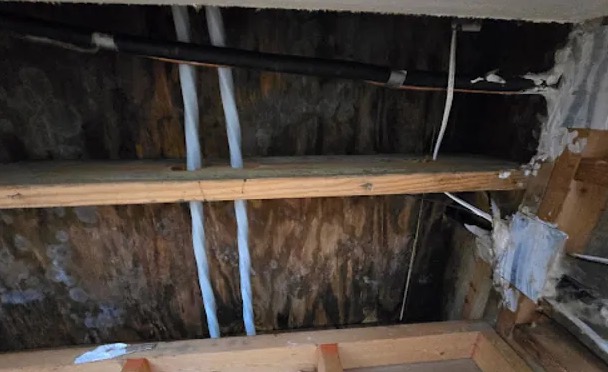
Local Attic Water Damage Restoration for Lake Shore Homes
Attics hide water well. Insulation absorbs it, wood soaks it up, and nobody goes up there often. In Lake Shore, the first sign is usually a ceiling stain, a musty smell upstairs or a drip during heavy rain.
Homes in Lake Shore and nearby Green Haven, Arnold and Severna Park see attic leaks from roof damage, AC drain pans in the attic and bathroom vent ducts. Help with attic water damage restoration covers water removal, insulation removal and drying of the attic and the ceiling below.
Comprehensive Attic Water Damage Restoration for Lake Shore
Emergency Attic Water Extraction
Water in the attic quickly becomes a ceiling problem. Fast extraction keeps the ceiling drywall below from sagging and falling.
Wet Attic Insulation Removal
Wet fiberglass batts lose their insulating value and hold water against the ceiling. Soaked sections are bagged and removed so the area underneath can dry.
Attic Mold Prevention
Poor ventilation keeps attics damp. Blocked soffit vents or a disconnected bath fan duct are pointed out so moisture does not return.
Attic Leak Water Cleanup
After a leak, the attic is checked from the roof deck down to the ceiling below, and all standing water and soaked debris are taken out.
Roof Leak Water Removal
A roof leak often drips in one spot but spreads along rafters and decking. The pros follow the water path to find every wet area.
Warning Signs You Need Attic Water Damage Restoration
Active Leak During Rain
Water dripping into the attic during rain shows an active roof leak that needs fixing and drying.
Dripping Sounds From Ceiling
Dripping or tapping sounds above the ceiling, especially during rain, mean water is getting in.
Wet or Sagging Insulation
Insulation that looks matted, dark or compressed, or sags between joists, has absorbed water.
Musty Odors in Home
A musty or damp smell on the upper floor can point to wet insulation or wood in the attic.
How Attic Water Damage Restoration Works in Lake Shore
Step 1: Initial Assessment and Water Removal
The pros find the source, check safety in the attic and remove standing water and wet debris.
Step 2: Wet Attic Insulation Removal
Soaked batts or blown-in insulation are bagged and removed so the wood and drywall can dry.
Step 3: Targeted Attic Drying Process
Drying equipment is aimed at the wet framing and ceiling, and moved as areas reach normal readings.
Step 4: Sanitization and Mold Prevention
Once dry, decking and rafters that stayed wet can be cleaned and treated with an antimicrobial.
Typical Sources of Attic Moisture Issues
Failing Roof Valley or Flashing
Worn flashing around valleys, chimneys and skylights lets water run into the attic.
Attic Appliance Leaks
AC air handlers in the attic overflow when the condensate line clogs or the pan cracks.
Storm Damage From Wind or Hail
Wind and hail can tear shingles or puncture the roof, letting rain in during the storm.
Ice Dam Formation on Roof
Ice dams at the roof edge force melting snow back under the shingles and into the attic.
Attic Water Damage Restoration for All Property Types in Lake Shore
Residential Attic Water Damage Restoration
Homeowners often store boxes and holiday items in the attic. Wet belongings are moved out and dried or discarded before work on the insulation and framing starts.
Commercial Attic Water Damage Restoration
Offices and stores with roof leaks need the area below protected during work. Drying is planned around business hours where possible to keep the space open.
When Attic Water Removal Requires Local Pros
Fixing the roof stops new water but does not dry what is already wet. After any roof repair, have the attic checked for damp insulation and wood.
Understanding Attic Water Damage Restoration Pricing
Tight attic access, after-hours calls and ceiling drywall replacement all add to the total for attic water damage restoration in Lake Shore.
Affected Attic Materials
Wet insulation, decking and ceiling drywall that must be removed add labor and disposal costs.
Size and Accessibility
Low, tight attics take longer to work in than tall attics with easy access.
Ceiling Repair Needs
Replacing, taping and painting ceiling drywall after drying adds to the total.
Does Insurance Cover Attic Water Damage Restoration?
Ceiling damage below an attic leak is usually handled as part of the same claim. Make sure the adjuster sees both the attic and the room below.
Why Choose Local Pros for Attic Water Damage Restoration in Lake Shore
Industry Drying Standards
Drying follows industry water damage standards, with readings taken at each visit.
Mold Prevention Focus
Fast drying of wood framing is the main way to limit microbial growth after a leak.
Advanced Moisture Detection
Moisture meters and thermal cameras find wet insulation, wood and drywall that look dry.
Round-the-Clock Attic Water Damage Restoration in Lake Shore
Ceiling bulging or sagging? Keep everyone out of the room below it and call (410) 237-0394 now for attic water damage restoration in Lake Shore.
Call Now (410) 237-0394Providing Attic Water Damage Restoration to Surrounding Communities
Help with attic water damage restoration is also available in communities near Lake Shore, including Green Haven, Arnold and Severna Park, for roof leaks and attic plumbing failures.
- Attic Water Damage Restoration in Green Haven
- Attic Water Damage Restoration in Arnold
- Attic Water Damage Restoration in Severna Park
- Attic Water Damage Restoration in Pasadena
- Attic Water Damage Restoration in Glen Burnie
- Attic Water Damage Restoration in Ferndale
- Attic Water Damage Restoration in Edgemere
- Attic Water Damage Restoration in Annapolis
Attic Water Damage Restoration FAQs
Does a roof leak always cause attic mold growth?
No. Mold is more likely when wood and insulation stay wet for days, so drying is the main way to prevent it.
Should I remove belongings from my attic after water damage?
Yes, if it is safe. Wet boxes and items should be moved out so they can dry and the attic can be worked on.
How do I know the attic is completely dry?
Moisture readings on decking, rafters and the ceiling are compared to unaffected dry areas until they match.
What are the first steps after finding attic water damage?
Catch active drips, move belongings out of the room below, keep away from sagging ceilings and call for an inspection and water removal.
What equipment is used for attic water removal?
Wet vacs, air movers, dehumidifiers, moisture meters and thermal cameras, plus bags and HEPA vacuums for insulation removal.