Beltsville, MD · Prince George's County
Basement Water Damage Restoration in Beltsville, MDBasement Drying Services & Basement Sewer Backup Cleanup
Basement Water Damage Restoration in Beltsville includes emergency basement flood cleanup, basement sewer backup cleanup and basement wall drying.
Answered 24/7
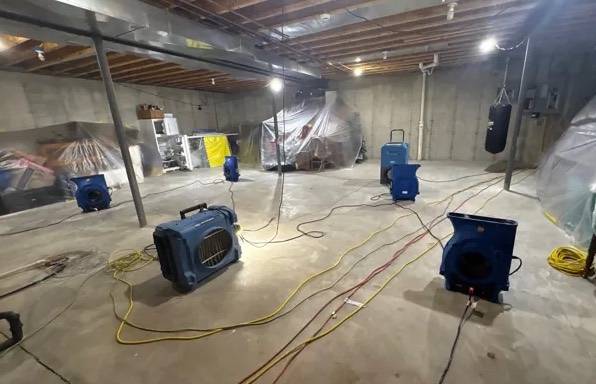
Professional Basement Water Damage Restoration in Beltsville, MD
Basement Water Damage Restoration in Beltsville usually involves two parts: the emergency work of removing water and the slower work of drying a below-grade space. Both matter for keeping repairs small.
Homeowners in Beltsville can call (410) 237-0394 day or night when water is rising in the basement. Service also covers Fairland, White Oak and Greenbelt, with the same pumping and drying steps.
The Basement Water Damage Restoration Process in Beltsville
Basement Drying Services
Air movers and dehumidifiers are placed to dry walls, framing and the slab. Below-grade rooms dry slowly, so readings are taken daily.
Basement Sewer Backup Cleanup
After a sewer backup, cleanup and disinfection come before drying, so contaminated surfaces are not left in place.
Basement Floor Water Removal
Water on a concrete floor is squeegeed and extracted, and floor coverings such as carpet, vinyl or laminate are lifted to dry the slab.
Basement Water Extraction
Submersible pumps remove deep standing water, then portable extractors pull water from carpet, pad and the concrete floor.
Emergency Basement Flood Cleanup
A flooded basement can damage furnaces, water heaters and stored items quickly. Fast pumping limits how much is lost.
How to Know You Need Basement Water Damage Restoration in Beltsville
Wet or Stained Basement Walls
Dark, wet patches or tide lines on basement walls show where water seeped in or wicked up.
Standing Water in the Basement
Any standing water on the basement floor needs pumping right away, before it soaks walls and framing.
Warped or Buckling Basement Floors
Laminate, wood or vinyl flooring that buckles or lifts in the basement has water underneath.
Rusted Appliances or Pipes
Rust on the water heater, furnace base or pipes points to repeated moisture or past flooding.
How Basement Water Damage Restoration Works in Beltsville
Step 1: Initial Assessment and Water Removal
The source and type of water are identified, and standing water is removed right away.
Step 2: Focused Drying of Materials
Walls, framing and the slab are dried with directed airflow, with wet insulation removed.
Step 3: Air Quality Management
Air scrubbers filter dust and odors from removal work while drying continues.
Step 4: Documentation for Restoration
Photos, readings and a list of removed materials are prepared for insurance and rebuilding.
Typical Sources of Basement Water Damage in Beltsville
High Water Table and Hydrostatic Pressure
A high water table pushes groundwater up through the slab and into the joints between wall and floor.
Foundation Cracks and Leaks
Cracks in foundation walls let groundwater and melting snow seep into the basement.
Plumbing Pipe Bursts or Leaks
Supply lines and drain pipes in basement ceilings can crack or burst onto the floor below.
Sewer Line Backups
A blocked or overloaded sewer line pushes wastewater up through basement drains and toilets.
Residential and Commercial Basement Water Damage Restoration in Beltsville
Residential Basement Water Damage Restoration
Homeowners with older basements may have seepage that returns with each storm. Drying fixes the current damage, and the source is noted for a waterproofing contractor.
Commercial Basement Water Damage Restoration
Apartment and condo buildings with shared basements or lower levels may have laundry and storage below grade. Each area is extracted, dried and recorded for the building manager.
DIY vs. Professional Basement Water Damage Restoration in Beltsville
You can move belongings off the floor and run a household dehumidifier. Drying soaked walls and slabs needs larger equipment and moisture readings to confirm the space is truly dry.
What Influences Basement Water Damage Restoration Cost in Beltsville
The cost of basement water damage restoration in Beltsville depends on how much water there is, whether it is clean or sewage and how much finished material must be removed.
Material Saturation
Finished basements with carpet, drywall and insulation take more removal work than bare concrete.
Water Category
Clean water costs less to handle than sewage, which needs protective gear, removal and disinfection.
Secondary Damage
Damage to furnaces, water heaters and belongings adds repair and replacement costs.
Does Insurance Cover Basement Water Damage Restoration?
Photos, moisture readings and drying logs from local restoration pros help support an insurance claim for basement water damage in Beltsville.
Advantages of Hiring Local Pros in Beltsville for Basement Water Damage Restoration
Advanced Moisture Detection
Moisture meters and thermal cameras find water in walls and slabs that looks dry.
Structural Integrity Assessment
Walls, stairs and framing are checked for damage before work begins in the basement.
Industry Drying Standards
Drying follows industry water damage standards, with readings taken at every visit.
24/7 Emergency Basement Water Damage Restoration in Beltsville
Every hour of standing water in a basement means more drywall and flooring to replace. Call (410) 237-0394 for basement water damage restoration in Beltsville.
Call Now (410) 237-0394Basement Water Damage Restoration Near Beltsville: Areas Served
Help with basement water damage restoration reaches Fairland, White Oak and Greenbelt, plus other communities around Beltsville, for finished and unfinished basements alike.
- Basement Water Damage Restoration in Fairland
- Basement Water Damage Restoration in White Oak
- Basement Water Damage Restoration in Greenbelt
- Basement Water Damage Restoration in College Park
- Basement Water Damage Restoration in Seabrook
- Basement Water Damage Restoration in Silver Spring
- Basement Water Damage Restoration in Hyattsville
- Basement Water Damage Restoration in Laurel
- Emergency Damage Restoration in 20704
- Storm Damage Restoration in 20704
- Water Damage Restoration in 20704
- Water Extraction Service in 20704
- Water Leak Detection in 20704
- Water Removal Service in 20704
- Emergency Damage Restoration in 20705
- Storm Damage Restoration in 20705
Frequently Asked Questions About Basement Water Damage Restoration
How soon should I call for basement water extraction after a leak?
Right away. Water wicks up drywall and soaks framing within hours, and below-grade spaces are slow to dry.
Why is dehumidification so important after basement water removal?
Basements hold moisture in the air and concrete. Without dehumidifiers, walls and framing stay damp long after the water is gone.
What are signs of hidden moisture after below-grade water extraction?
Musty smells, tide lines on walls, damp carpet edges and moisture readings that stay high in walls or the slab.
What is involved in basement water damage restoration?
Pumping out water, removing soaked materials, cleaning contaminated areas, drying walls, framing and concrete, and dehumidifying until readings are normal.
What causes the most common below-grade leaks in homes?
Sump pump failures, foundation cracks, clogged drain tile, sewer backups and burst pipes in the basement ceiling.