Laurel, MD · Prince George's County
Basement Water Damage Restoration in Laurel, MDBasement Floor Water Removal & Basement Wall Drying
Basement Water Damage Restoration in Laurel runs from basement water extraction and basement floor water removal to basement dehumidification.
Answered 24/7
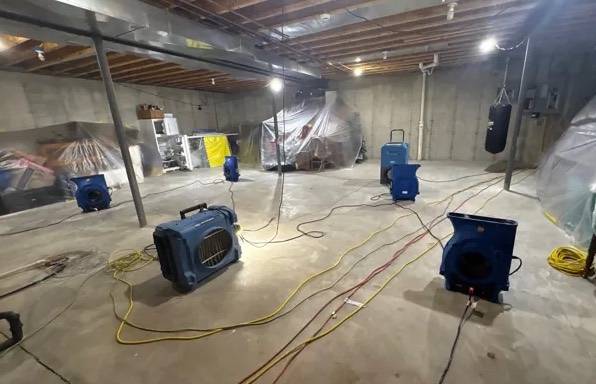
Expert Basement Water Damage Restoration Serving Laurel
Basements collect water from every direction: rain seeping through walls, groundwater pushing up through the slab, sewage backing up through floor drains and pipes bursting overhead. In a Laurel home with a basement or below-grade room, any of these can leave inches of water on the floor.
In Laurel, a home with a basement or below-grade room can flood after heavy rain or a blocked sewer line. Local water removal pros serve Laurel, North Laurel, Maryland City and Beltsville, pumping out water and drying finished and unfinished spaces.
Basement Water Damage Restoration Solutions Available in Laurel
Basement Floor Water Removal
A slab can look dry on top while still holding water. Moisture readings show when it is ready for new flooring.
Basement Wall Drying
Finished basement walls hide wet insulation and framing. Removing the bottom of the drywall lets air reach the cavity.
Basement Mold Prevention
Keeping basement humidity low after drying helps prevent mold from returning, especially in finished spaces.
Basement Sewer Backup Cleanup
Sewage that backs up through a floor drain or toilet is extracted with protective gear, and the area is contained from the rest of the house.
Basement Water Extraction
Submersible pumps remove deep standing water, then portable extractors pull water from carpet, pad and the concrete floor.
Warning Signs You Need Basement Water Damage Restoration
Sewage Odors or Backups
Sewage smells or water coming up through a floor drain mean the sewer line is backing up.
Rusted Appliances or Pipes
Rust on the water heater, furnace base or pipes points to repeated moisture or past flooding.
Wet or Stained Basement Walls
Dark, wet patches or tide lines on basement walls show where water seeped in or wicked up.
Condensation on Windows or Pipes
Water beading on cold pipes or basement windows shows high humidity that keeps materials damp.
How Basement Water Damage Restoration Works in Laurel
Step 1: Initial Assessment and Water Removal
The source and type of water are identified, and standing water is removed right away.
Step 2: Focused Drying of Materials
Walls, framing and the slab are dried with directed airflow, with wet insulation removed.
Step 3: Air Quality Management
Air scrubbers filter dust and odors from removal work while drying continues.
Step 4: Documentation for Restoration
Photos, readings and a list of removed materials are prepared for insurance and rebuilding.
What Causes Basement Water Damage Restoration in Laurel
Clogged Floor Drains
A floor drain blocked by debris cannot carry off water from a leak or overflow, so it spreads across the basement floor.
HVAC Condensate Line Overflow
A clogged furnace or air conditioner condensate line can overflow onto the floor of a basement or lower-level utility room.
Window Well Flooding
Window wells without drains or covers fill with rain and leak through basement windows.
Plumbing Pipe Bursts or Leaks
Supply lines and drain pipes in basement ceilings can crack or burst onto the floor below.
Basement Water Damage Restoration for Homes and Businesses in Laurel
Residential Basement Water Damage Restoration
A sewer backup in a home basement needs contaminated carpet, pad and drywall removed and every hard surface disinfected before drying.
Commercial Basement Water Damage Restoration
In restaurants and stores with basements, sewage backups need fast containment so contamination does not reach food or customer areas.
Basement Water Damage Restoration: Professional Help vs. Doing It Yourself in Laurel
Do not walk into standing basement water if outlets, cords or appliances are submerged. Shut off power at the panel if you can reach it safely, then call (410) 237-0394.
Understanding Basement Water Damage Restoration Pricing in Laurel
A basement pumped and dried right away in Laurel usually costs less than one left wet for days, when more drywall and flooring are lost.
Water Category
Clean water costs less to handle than sewage, which needs protective gear, removal and disinfection.
Affected Square Footage
Larger basements need more extraction, more drying equipment and more days of drying time.
Secondary Damage
Damage to furnaces, water heaters and belongings adds repair and replacement costs.
Does Insurance Cover Basement Water Damage Restoration?
Many homeowner policies cover sudden basement water from a burst pipe, but not seepage or groundwater. Sewer backup coverage is often a separate add-on, so check your policy.
The Value of Local Pros for Basement Water Damage Restoration in Laurel
Structural Integrity Assessment
Walls, stairs and framing are checked for damage before work begins in the basement.
Industrial-Grade Equipment
Pumps, extractors and large dehumidifiers remove water much faster than household wet vacs and fans.
Water Type Handling
Clean water, gray water and sewage are each handled with the right protection and removal steps.
24/7 Emergency Basement Water Damage Restoration for Laurel
Storm night, weekend or holiday, local water removal pros handle flooded basements in Laurel. Call (410) 237-0394 to get the pumps running and the water out.
Call Now (410) 237-0394Basement Water Damage Restoration Serving Laurel, North Laurel, Maryland City and Beltsville
Nearby areas served for basement water damage restoration include North Laurel, Maryland City and Beltsville, with the same pumping and drying steps used in Laurel.
- Basement Water Damage Restoration in North Laurel
- Basement Water Damage Restoration in Maryland City
- Basement Water Damage Restoration in Beltsville
- Basement Water Damage Restoration in Fairland
- Basement Water Damage Restoration in Greenbelt
- Basement Water Damage Restoration in Columbia
- Basement Water Damage Restoration in Odenton
- Basement Water Damage Restoration in Seabrook
- Emergency Damage Restoration in 20707
- Storm Damage Restoration in 20707
- Water Damage Restoration in 20707
- Water Extraction Service in 20707
- Water Leak Detection in 20707
- Water Removal Service in 20707
- Emergency Damage Restoration in 20708
- Storm Damage Restoration in 20708
FAQ for Basement Water Damage Restoration in Laurel
What is the purpose of basement wall drying?
To remove water from drywall, insulation, framing and concrete so the walls can be repaired without trapping moisture.
What health risks come with delayed basement flood cleanup?
Standing water and wet materials can support bacteria and microbial growth, and sewage carries contaminants that need disinfection.
Should I try below-grade waterproofing myself after flooding?
Sealing a small crack can be a DIY job, but drying must come first, and larger waterproofing work should go to a contractor.
Why is quick action important for below-grade flood restoration?
Basements dry slowly, so every hour of standing water adds days of drying and more material to replace.
What is involved in basement water damage restoration?
Pumping out water, removing soaked materials, cleaning contaminated areas, drying walls, framing and concrete, and dehumidifying until readings are normal.