Ilchester, MD · Howard County
Desiccant Dehumidification in Ilchester, MDEmergency Dehumidification & Firefighting Water Drying
Desiccant Dehumidification in Ilchester runs from emergency dehumidification and flood drying services to firefighting water drying.
Answered 24/7
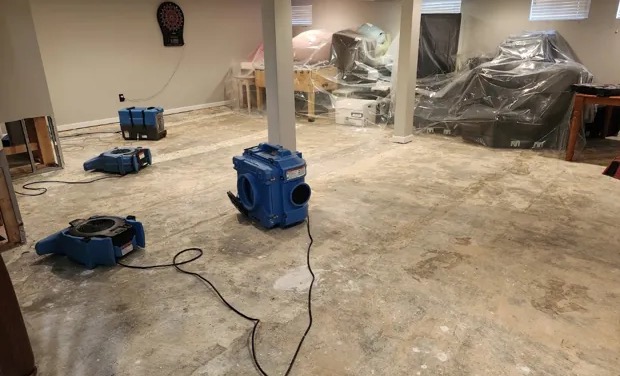
Desiccant Dehumidification: Moisture Control in Ilchester
Large commercial buildings in Ilchester can hold a lot of moisture after a flood or sprinkler leak. High-capacity desiccant units can dry large volumes of air.
In Ilchester, Elkridge, Catonsville and Arbutus, builders sometimes need slabs and drywall dried before flooring goes in. The pros lower humidity on the job site to speed that up.
Specialized Desiccant Dehumidification in Ilchester, MD
Emergency Dehumidification
Help is available any hour to set up drying equipment after a leak or flood, so moisture does not sit overnight in materials.
Firefighting Water Drying
After a fire, water used by firefighters soaks walls, floors and ceilings. Desiccant drying helps dry those materials once debris is cleared.
Construction Drying Services
Readings on slabs and framing show when materials are dry enough for the next stage of work.
Flood Drying Services
After floodwater is pumped out, desiccant dehumidifiers can bring the air to very low humidity, which pulls moisture out of walls, floors and framing faster.
Water Damage Dehumidification
Dehumidification runs alongside air movers, and readings are taken daily until every wet material is back to normal.
Warning Signs You Need Desiccant Dehumidification in Ilchester
Efflorescence on Masonry Surfaces
White, powdery deposits on masonry show water moving through concrete or block.
Active Mold Spots
Dark spots appearing on walls or ceilings mean materials stayed damp long enough for mold.
Musty Smell in Stored Items
Boxes and fabrics that smell musty show the space has stayed damp too long.
Wet Insulation in Attics or Walls
Insulation that is wet in attics or walls holds water against framing and slows drying.
How Desiccant Dehumidification Works in Ilchester
Step 1: Initial Damage Inspection
Humidity and moisture readings are taken across the affected area to set the drying plan.
Step 2: Deployment of Drying Equipment
Desiccant or standard dehumidifiers and air movers are placed based on the space and readings.
Step 3: Monitored Drying Cycle
Readings are logged daily, and equipment is moved or adjusted as each material dries.
Step 4: Completion and Clearance
Final readings confirm materials are dry, and the space is cleared for repairs.
What Leads to Humidity Damage Needing Desiccant Dehumidification in Ilchester
New Construction Moisture Trapped
New concrete, drywall mud and framing on job sites hold moisture until they are dried.
Roof Leaks From Damaged Shingles
Roof leaks from damaged shingles soak attic insulation, roof decking and the ceilings below.
Fire Suppression System Activation
Fire sprinklers and firefighting water soak large areas of a building at once.
Groundwater Rise After Heavy Rains
Groundwater rising after long rains keeps crawl spaces and lower levels damp.
Both Residential and Commercial Desiccant Dehumidification in Ilchester
Residential Desiccant Dehumidification
In homes, desiccant drying is most often used in crawl spaces and cool lower levels after leaks or floods. Standard units are used in warm rooms where they work well.
Commercial Desiccant Dehumidification
In commercial buildings, high-capacity desiccant units can dry large floors and high-ceiling spaces after sprinkler leaks or floods, with drying planned around business hours.
The Limits of DIY Desiccant Dehumidification in Ilchester
Opening windows only helps on dry, breezy days. Commercial dehumidifiers keep drying no matter what the weather outside is doing, which makes them more reliable.
Factors in Desiccant Dehumidification Pricing for Ilchester
The pros take readings before pricing desiccant dehumidification in Ilchester, then explain how many units are needed and how long drying should take.
Type of Water Damage
Floodwater and sewage need cleaning and removal of materials before drying, which adds cost.
Affected Area Size
Larger affected areas need more drying units and more air movers running at once.
Time of Response
Night, weekend and holiday setup can cost more than a scheduled weekday visit.
Does Insurance Cover Desiccant Dehumidification?
Construction drying on a new build is usually a project cost rather than an insurance claim. Ask your builder how it is handled.
Advantages of Hiring Local Pros in Ilchester for Desiccant Dehumidification
Structural Drying
Walls, floors and framing are dried, not just the air in the room.
Damage Assessment
The full affected area is checked, including rooms next to and below the source.
Industry Drying Standards
Drying follows industry water damage standards, with readings taken at every visit.
Round-the-Clock Desiccant Dehumidification in Ilchester, MD
Wet materials keep soaking up moisture from damp air until drying starts. Call (410) 237-0394 for desiccant dehumidification in Ilchester at any hour.
Call Now (410) 237-0394Desiccant Dehumidification Coverage for Ilchester and Beyond
Drying after water damage also covers homes, job sites and businesses in Elkridge, Catonsville and Arbutus, close to Ilchester.
- Desiccant Dehumidification in Elkridge
- Desiccant Dehumidification in Catonsville
- Desiccant Dehumidification in Arbutus
- Desiccant Dehumidification in Columbia
- Desiccant Dehumidification in Ellicott City
- Desiccant Dehumidification in Lansdowne
- Desiccant Dehumidification in Severn
- Desiccant Dehumidification in Woodlawn
Desiccant Dehumidification Information: Your Questions
What happens after desiccant dehumidification is complete?
Final readings are recorded, equipment is removed and the space is ready for repairs or finishes.
What does water damage dehumidification include?
Taking readings, placing dehumidifiers and air movers, logging progress daily and confirming materials are dry.
What is desiccant dehumidification used for?
Drying spaces after water damage where standard dehumidifiers struggle, such as cool crawl spaces, large buildings and dense materials.
How is emergency dehumidification different from standard service?
It starts right after a leak or flood, any time of day, so materials do not keep soaking up moisture.
When is desiccant dehumidification a better choice than refrigerant units?
In cool spaces, very large areas or when very low humidity is needed to dry dense materials.