Columbia, MD · Howard County
Desiccant Dehumidification in Columbia, MDCrawl Space Drying & Emergency Dehumidification
After a flood, Desiccant Dehumidification in Columbia means flood drying services, emergency dehumidification and water damage dehumidification.
Answered 24/7
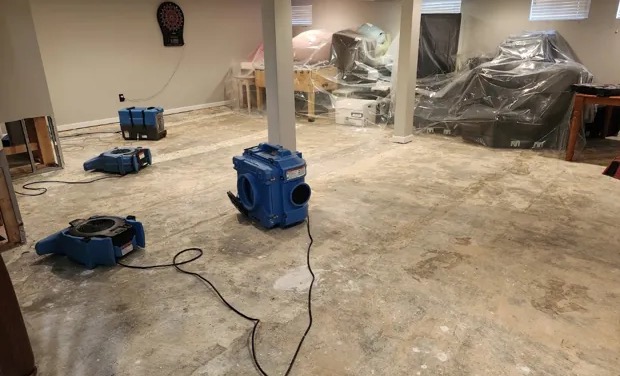
Professional Desiccant Dehumidification in Columbia, MD
Large commercial buildings in Columbia can hold a lot of moisture after a flood or sprinkler leak. High-capacity desiccant units can dry large volumes of air.
Homes, job sites and commercial buildings in Columbia and nearby North Laurel, Ilchester and Ellicott City sometimes need more drying power than standard equipment provides. Help with desiccant dehumidification covers those cases.
Specialized Desiccant Dehumidification in Columbia, MD
Crawl Space Drying
Crawl spaces are cool and damp, which suits desiccant units. Dry air is pushed in to pull moisture from the joists and subfloor.
Emergency Dehumidification
Help is available any hour to set up drying equipment after a leak or flood, so moisture does not sit overnight in materials.
Construction Drying Services
Construction drying speeds up schedules by lowering humidity so slabs and drywall reach the moisture levels flooring and paint need.
Basement Dehumidification
Once readings show the basement is dry, equipment is removed and the space is ready for repairs.
Mold Prevention Drying
In contained work areas, desiccant dehumidifiers keep the air dry while damaged materials are removed and framing is cleaned.
Symptoms Requiring Desiccant Dehumidification in Columbia
Visible Condensation on Windows
Windows that fog or drip inside show the air holds too much moisture for materials to dry.
Wet Insulation in Attics or Walls
Insulation that is wet in attics or walls holds water against framing and slows drying.
Spongy Drywall or Soft Spots
Drywall that feels soft or spongy has absorbed water and may need removal if it does not dry.
Strong Damp Odor in Rooms
A damp smell that stays in a room after cleanup means materials there are still holding moisture.
How Desiccant Dehumidification Works in Columbia
Step 1: Emergency Moisture Evaluation
The wet area is mapped and the right size and type of dehumidifier is chosen.
Step 2: High-Capacity Setup
Large desiccant units are placed for big spaces or cool areas where standard units struggle.
Step 3: Active Drying Cycle
Dry air is moved across wet materials, with daily readings to track progress.
Step 4: Completion and Insurance Records
Final readings and daily drying logs are compiled into a record for your insurer.
Origins of Dampness and Desiccant Dehumidification in Columbia Buildings
Roof Leaks From Damaged Shingles
Roof leaks from damaged shingles soak attic insulation, roof decking and the ceilings below.
Foundation Cracks and Seepage
Foundation cracks let groundwater seep into lower levels, keeping walls and floors damp.
Poor Ventilation in Enclosed Areas
Closed, poorly ventilated spaces trap moisture and dry very slowly after water damage.
Fire Suppression System Activation
Fire sprinklers and firefighting water soak large areas of a building at once.
House & Business Desiccant Dehumidification in Columbia, MD
Residential Desiccant Dehumidification
Families can usually stay home during drying, though equipment makes steady noise and some areas may be closed off.
Commercial Desiccant Dehumidification
Builders and contractors use desiccant drying to get slabs and drywall ready for flooring and paint on schedule.
Why DIY Falls Short for Desiccant Dehumidification in Columbia
Rented desiccant units need correct setup and ducting to work well. If you are unsure how to place them or when materials are dry, call (410) 237-0394.
Factors in Desiccant Dehumidification Pricing for Columbia
Flood cleanup, crawl space access, material removal and after-hours setup all add to the total for desiccant dehumidification in Columbia.
Number of Dehumidifiers
The number and size of dehumidifiers needed for the space is a major part of the cost.
Access and Complexity
Crawl spaces, tight areas and large buildings take more effort to set up and monitor.
Additional Restoration Steps
Extraction, material removal and cleaning before drying are separate steps that add to the total.
Does Insurance Cover Desiccant Dehumidification?
Photograph wet areas before drying begins and keep receipts for emergency extraction, drying equipment and any hotel stay during the work.
Advantages of Hiring Local Pros in Columbia for Desiccant Dehumidification
Structural Drying
Walls, floors and framing are dried, not just the air in the room.
Targeted Drying
Equipment is placed for the specific materials and spaces that are wet.
Industry Drying Standards
Drying follows industry water damage standards, with readings taken at every visit.
Emergency Desiccant Dehumidification Response for Columbia
The sooner drying starts, the fewer materials need replacing. Call (410) 237-0394 for desiccant dehumidification in Columbia right after a leak or flood.
Call Now (410) 237-0394Desiccant Dehumidification Near Columbia: Areas Served
Drying after water damage also covers homes, job sites and businesses in North Laurel, Ilchester and Ellicott City, close to Columbia.
- Desiccant Dehumidification in North Laurel
- Desiccant Dehumidification in Ilchester
- Desiccant Dehumidification in Ellicott City
- Desiccant Dehumidification in Elkridge
- Desiccant Dehumidification in Laurel
- Desiccant Dehumidification in Maryland City
- Desiccant Dehumidification in Catonsville
- Desiccant Dehumidification in Arbutus
- Emergency Damage Restoration in 21044
- Storm Damage Restoration in 21044
- Water Damage Restoration in 21044
- Water Extraction Service in 21044
- Water Leak Detection in 21044
- Water Removal Service in 21044
- Emergency Damage Restoration in 21045
- Storm Damage Restoration in 21045
Desiccant Dehumidification FAQs
What is desiccant dehumidification used for?
Drying spaces after water damage where standard dehumidifiers struggle, such as cool crawl spaces, large buildings and dense materials.
How is emergency dehumidification different from standard service?
It starts right after a leak or flood, any time of day, so materials do not keep soaking up moisture.
What are the benefits of construction drying services?
Drying slabs and drywall on schedule so flooring and finishes are not installed over damp materials.
What equipment is used for commercial building drying?
High-capacity desiccant or refrigerant dehumidifiers, air movers, moisture meters and sometimes ducting to direct dry air.
When is desiccant dehumidification a better choice than refrigerant units?
In cool spaces, very large areas or when very low humidity is needed to dry dense materials.