Silver Spring, MD · Montgomery County
Desiccant Dehumidification in Silver Spring, MDBasement Dehumidification & Construction Drying Services
After a flood, Desiccant Dehumidification in Silver Spring means flood drying services, emergency dehumidification and water damage dehumidification.
Answered 24/7
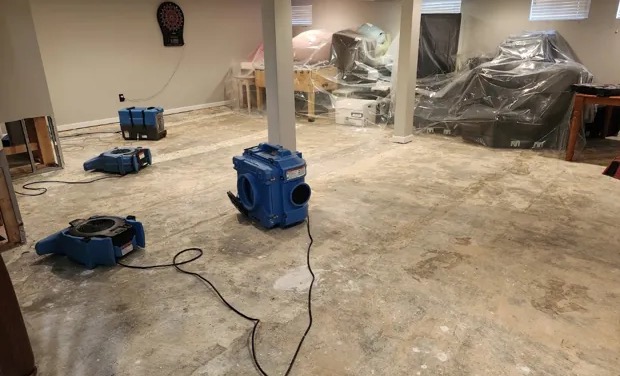
Expert Desiccant Dehumidification for Silver Spring Properties
After a fire in Silver Spring, the water used to put it out soaks rooms well beyond the burned area. That water needs to come out before rebuilding.
Property owners in Silver Spring can call (410) 237-0394 day or night when water damage needs drying. Service also covers Takoma Park, Chillum and White Oak, with equipment sized to the space.
Comprehensive Desiccant Dehumidification for Silver Spring
Basement Dehumidification
Once readings show the basement is dry, equipment is removed and the space is ready for repairs.
Construction Drying Services
New construction can trap moisture in concrete, drywall mud and framing. Desiccant units help dry the building before finishes go in.
Emergency Dehumidification
Help is available any hour to set up drying equipment after a leak or flood, so moisture does not sit overnight in materials.
Flood Drying Services
Flood drying pairs desiccant units with air movers aimed at wet materials, with readings taken every day until the structure is dry.
Crawl Space Drying
Crawl spaces are cool and damp, which suits desiccant units. Dry air is pushed in to pull moisture from the joists and subfloor.
When to Consider Desiccant Dehumidification in Silver Spring
Peeling Paint or Wallpaper
Paint or wallpaper that peels after a leak has moisture behind it that has not dried.
Warped Wood Floors or Trim
Wood floors or trim that cup or warp after a leak are still taking on moisture.
Efflorescence on Masonry Surfaces
White, powdery deposits on masonry show water moving through concrete or block.
High Humidity Readings on Meter
A hygrometer that keeps reading high humidity days after a leak shows the space is not drying.
How Desiccant Dehumidification Works in Silver Spring
Step 1: Initial Damage Inspection
Humidity and moisture readings are taken across the affected area to set the drying plan.
Step 2: Deployment of Drying Equipment
Desiccant or standard dehumidifiers and air movers are placed based on the space and readings.
Step 3: Monitored Drying Cycle
Readings are logged daily, and equipment is moved or adjusted as each material dries.
Step 4: Completion and Clearance
Final readings confirm materials are dry, and the space is cleared for repairs.
Typical Moisture Intrusions and Desiccant Dehumidification in Silver Spring
Groundwater Rise After Heavy Rains
Groundwater rising after long rains keeps crawl spaces and lower levels damp.
Poor Ventilation in Enclosed Areas
Closed, poorly ventilated spaces trap moisture and dry very slowly after water damage.
Fire Suppression System Activation
Fire sprinklers and firefighting water soak large areas of a building at once.
Roof Leaks From Damaged Shingles
Roof leaks from damaged shingles soak attic insulation, roof decking and the ceilings below.
Both Residential and Commercial Desiccant Dehumidification in Silver Spring
Residential Desiccant Dehumidification
Homeowners with damp basements may need desiccant drying after a flood because cool concrete and air slow standard units.
Commercial Desiccant Dehumidification
Warehouses with large slabs and stock need humidity kept low during drying to protect inventory and dry the concrete.
Professional Desiccant Dehumidification or DIY in Silver Spring?
Buying a moisture meter can help you check walls after a small leak. For larger damage, readings from local moisture removal pros confirm when materials are truly dry.
Factors in Desiccant Dehumidification Pricing for Silver Spring
Repairs after drying are a separate cost. In Silver Spring, fully dried materials often mean fewer repairs are needed.
Type of Water Damage
Floodwater and sewage need cleaning and removal of materials before drying, which adds cost.
Time of Response
Night, weekend and holiday setup can cost more than a scheduled weekday visit.
Additional Restoration Steps
Extraction, material removal and cleaning before drying are separate steps that add to the total.
Does Insurance Cover Desiccant Dehumidification?
Daily humidity and moisture logs from local moisture removal pros help support an insurance claim for drying after water damage in Silver Spring.
Why Choose Local Pros for Desiccant Dehumidification in Silver Spring
Detailed Moisture Documentation
Daily humidity and moisture readings are logged to show progress and support insurance claims.
Desiccant Equipment
Desiccant units are used where they fit, such as cool spaces, crawl spaces and large buildings.
Industry Drying Standards
Drying follows industry water damage standards, with readings taken at every visit.
Urgent Desiccant Dehumidification Available in Silver Spring
Water damage that needs drying in Silver Spring? Call (410) 237-0394 to get dehumidifiers and air movers in place. Help is available 24/7.
Call Now (410) 237-0394Locations for Desiccant Dehumidification Around Silver Spring
Drying after water damage also covers homes, job sites and businesses in Takoma Park, Chillum and White Oak, close to Silver Spring.
- Desiccant Dehumidification in Takoma Park
- Desiccant Dehumidification in Chillum
- Desiccant Dehumidification in College Park
- Desiccant Dehumidification in Glenmont
- Desiccant Dehumidification in Fairland
- Desiccant Dehumidification in Aspen Hill
- Desiccant Dehumidification in Beltsville
- Desiccant Dehumidification in Bethesda
- Emergency Damage Restoration in 20901
- Storm Damage Restoration in 20901
- Water Damage Restoration in 20901
- Water Extraction Service in 20901
- Water Leak Detection in 20901
- Water Removal Service in 20901
- Emergency Damage Restoration in 20902
- Storm Damage Restoration in 20902
Desiccant Dehumidification Information: Your Questions
Why use desiccant drying after a fire?
Firefighting water soaks large areas, and high-capacity drying helps remove that moisture once debris is cleared.
What equipment is used for commercial building drying?
High-capacity desiccant or refrigerant dehumidifiers, air movers, moisture meters and sometimes ducting to direct dry air.
How is emergency dehumidification different from standard service?
It starts right after a leak or flood, any time of day, so materials do not keep soaking up moisture.
What areas can benefit from moisture control services?
Crawl spaces, lower levels, attics, large commercial spaces and any room where materials got wet.
Can desiccant dehumidification help prevent mold?
Yes. Lowering humidity and drying materials quickly is one of the main ways to keep mold from starting.