Beltsville, MD · Prince George's County
HVAC Leak Water Removal in Beltsville, MDHVAC Drain Line Flood Cleanup & HVAC Cabinet Water Extraction
HVAC Leak Water Removal in Beltsville includes emergency HVAC leak cleanup, wet insulation removal near HVAC and coil leak water damage repair.
Answered 24/7
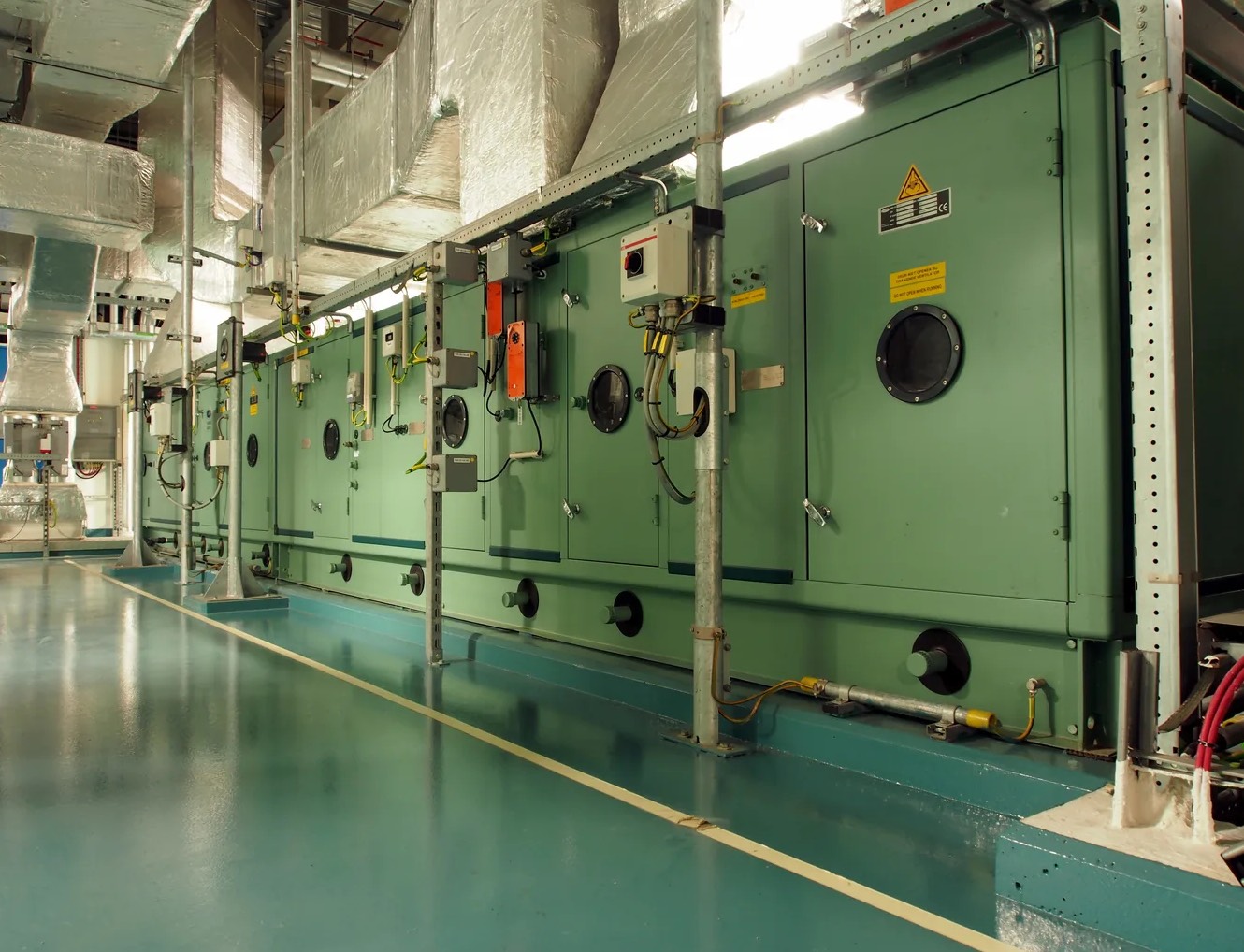
Professional HVAC Leak Water Removal in Beltsville, MD
A leaking coil in Beltsville creates two jobs. An HVAC contractor repairs the coil, and the water that already escaped has to be removed and dried.
When an HVAC leak occurs in Beltsville, water needs to come out quickly to protect interior finishes and electrical systems. Local water removal pros serve this community and nearby areas like Fairland, White Oak and Greenbelt, extracting water around the unit and drying wet ductwork before damage spreads.
HVAC Leak Water Removal Service Details in Beltsville
HVAC Drain Line Flood Cleanup
A completely blocked primary condensate drain line can overflow the secondary pan. Cleanup requires extracting the spilled water and clearing the line.
HVAC Cabinet Water Extraction
Standing water in the cabinet rusts the pan, panels and fasteners. Getting it out early stops that, and the cabinet is dried before the system runs again.
Coil Leak Water Damage Repair
A leaking evaporator or condenser coil drips water into the system or onto the floor. Repair begins with extracting all moisture.
Wet Insulation Removal Near HVAC
Wet attic insulation near ductwork or an air handler often must be removed. The pros assess the wetness and remove affected sections.
Moisture Remediation for HVAC Systems
Removing standing water is only the first part. Moisture meters show water still held in drywall, insulation and wood, and readings continue until they are dry.
Red Flags for HVAC Leak Water Removal in Beltsville
High Indoor Humidity Levels
A home feeling persistently muggy can mean the HVAC system is not properly removing airborne moisture.
Visible Rust on Metal Components
Rust forming on the evaporator coil cabinet, drain pan, or supports indicates prolonged moisture exposure.
Musty Odors Near Air Vents
A musty smell when the system runs can point to wet insulation or mold inside the unit or ducts.
Condensation Dripping From Ducts
Water droplets or streaks on metal ductwork mean the ducts are sweating, and the water is landing somewhere below.
How HVAC Leak Water Removal Works in Beltsville
Step 1: Water Removal Initiation
The pros use pumps and wet vacuums to remove the bulk water from a flooded drain line area.
Step 2: Detailed Moisture Detection
Meters and thermal cameras check concealed spaces so no wet spot behind a wall or above a ceiling is missed.
Step 3: Controlled Drying Environment
Professionals create a controlled environment with dehumidifiers and air movers to dry wet ductwork, insulation and building materials.
Step 4: Final Clearance and Prevention Advice
A final check confirms everything is dry, and you get tips on keeping the condensate drain clear.
What Causes HVAC Leaks Needing Water Removal in Beltsville
Improper HVAC System Slope
An air handler or drain line installed without correct pitch prevents gravity-driven water flow to the drain.
Failed Condensate Pump
A condensate pump that fails in an attic or utility room cannot move water to the drain, so the reservoir overflows.
Cracked or Disconnected Drain Pan
A damaged or misaligned secondary drain pan beneath the evaporator coil fails to catch condensation overflow.
Worn Gaskets or Seal Failures
Worn seals around access panels or coil sections let water escape the cabinet instead of reaching the pan.
Residential and Commercial HVAC Leak Water Removal in Beltsville
Residential HVAC Leak Water Removal
In homes, an AC condensate leak can rot subfloor and baseboards if it is left. The pros dry the tight spaces around the unit and record the damage for insurance.
Commercial HVAC Leak Water Removal
A flooded HVAC unit in a commercial building needs a coordinated response. The pros manage large-volume extraction, coordinate with facility managers, and implement drying protocols.
DIY vs. Professional HVAC Leak Water Removal in Beltsville
If you find an HVAC leak, turn off the system at the thermostat and the breaker. Put towels down and move belongings away from the drip. Wiping up a little condensation is fine, but standing water or wet drywall needs drying equipment.
Cost Insights for HVAC Leak Water Removal in Beltsville
For AC water damage, the number of drying days and the number of air movers and dehumidifiers drive most of the cost. HVAC repairs are billed separately.
Post-Extraction Repairs
Some jobs need small drain line or insulation repairs after drying, which are priced separately.
Emergency Service Timing
HVAC leak cleanup started at night, on weekends or on holidays may be billed at a different rate.
Water Contamination Category
Clean condensate is simpler to handle than dirty overflow from a drain line, which needs extra cleaning.
Does Insurance Cover HVAC Leak Water Removal?
For a flooded HVAC drain line, coverage often depends on whether the leak was sudden or came from skipped maintenance. Records of the damage and the cleanup go to your insurer, who decides.
Benefits of Local Water Damage Pros for HVAC Leak Water Removal in Beltsville
IICRC-Standard Drying Methods
Drying follows industry standards so the unit area, ducts and walls are dry before the system runs again.
Component-Safe Water Removal
Work around the unit is done carefully so coils, wiring and control boards are not damaged further.
Comprehensive Leak Source Identification
The pros trace the water to the drain line, coil or pan, so the right trade can fix the cause.
Urgent HVAC Leak Water Removal Response in Beltsville
Water flowing from your HVAC system requires fast action to prevent costly secondary damage. For emergency HVAC water extraction in Beltsville, call (410) 237-0394 anytime.
Call Now (410) 237-0394Areas Served for HVAC Leak Water Removal from Beltsville
In the Beltsville area, help with HVAC leak water removal covers coil leaks and drain pan overflows, and also reaches nearby Fairland, White Oak and Greenbelt.
- HVAC Leak Water Removal in Fairland
- HVAC Leak Water Removal in White Oak
- HVAC Leak Water Removal in Greenbelt
- HVAC Leak Water Removal in College Park
- HVAC Leak Water Removal in New Carrollton
- HVAC Leak Water Removal in Seabrook
- HVAC Leak Water Removal in Silver Spring
- HVAC Leak Water Removal in Hyattsville
- Emergency Damage Restoration in 20704
- Storm Damage Restoration in 20704
- Water Damage Restoration in 20704
- Water Extraction Service in 20704
- Water Leak Detection in 20704
- Water Removal Service in 20704
- Emergency Damage Restoration in 20705
- Storm Damage Restoration in 20705
HVAC Leak Water Removal Common Questions
What is involved in HVAC leak water removal?
Stopping the leak, extracting standing water, drying the ducts, cabinet area, walls and floor, and checking for hidden moisture with meters.
Can I run my AC after a condensation leak?
No. Running the system while it leaks can spread water further and cause electrical shorts.
Can wet insulation near HVAC be saved?
Often, yes. Wet insulation loses its value and is hard to dry in tight spaces, so it is usually removed and replaced once the area is dry.
How long does wet ductwork drying typically take?
It depends on how much water there is and how easy it is to reach. Most jobs take two to four days of drying with commercial equipment.
What is moisture remediation for HVAC systems?
It means removing excess moisture, drying all components and bringing humidity back to normal levels around the system.